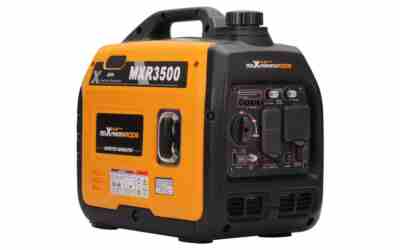
No, a gas generator should not get wet: rain risks shock and damage, so run it only under a ventilated, open-sided cover on dry, level ground outdoors.
What water does to a running gas generator
Water and live electricity are a bad mix. A wet outlet, plug or frame can energize the surface you touch, and moisture inside the unit can short out parts that are expensive to replace. Shock risk is highest when you stand in a puddle or touch the unit with wet hands.
Here is where water does the damage and what you will notice first:
| Part | What water does | Warning sign |
|---|---|---|
| Alternator windings | Breaks down insulation and causes shorts | Tripped breaker, burning smell, weak or no output |
| Outlets and plugs | Corrosion and arcing | Tripped GFCI, hot or discolored plug |
| Voltage regulator and control panel | Short circuits | Flickering lights, erratic voltage |
| Air filter and carburetor | Soaks the filter, wets the fuel path | Hard starting, sputtering, rough running |
| Oil and fuel | Water contamination | Milky oil on the dipstick, engine stalls |
A tingling sensation when you touch the frame means stop immediately. Do not touch the unit again until a qualified technician has checked it.
Can a gas generator get wet in light rain or humidity?
Humidity, morning dew and a few stray drops are a different problem from rain falling on a running unit. Normal outdoor air will not hurt a generator that is otherwise protected. Direct rain, snow or standing water on a running unit is what manuals warn against.
Do not confuse weather-resistant with waterproof. A weather-resistant case or outlet cover sheds some splash, but it is not a license to run in a storm. Check your manual for its exact wording, and treat any weather guidance as model-specific.
Inverter generators have an enclosed case that keeps more water away from the engine and electronics than an open-frame unit. Their air vents and outlets can still take on water, so they need cover too. Manufacturers rarely publish a rain rating for portable gas models, and an IP number you cannot find in the manual should not be assumed.
How to run a gas generator in rain or snow safely
If you must run during a storm, set it up before you start the engine:
- Pick the spot. Choose open ground outdoors with the exhaust pointed away from your home and your neighbors’. Use the distance in your manual; many call for 20 feet or more.
- Build a dry base. Set the unit on a pallet, pavers or plywood on blocks so snowmelt and runoff flow under it, not into it. Keep it level so the oil reaches the engine.
- Add a vented cover. Use a purpose-built generator tent or an open-sided canopy with a roof and no walls. A tarp draped over the unit traps heat and exhaust and can touch the muffler, which is a fire risk. Keep any fabric away from hot parts as your manual directs.
- Protect the cords. Use outdoor-rated extension cords sized for your load, keep connections off wet ground, and use GFCI-protected outlets. Handle plugs only with dry hands.
- Connect the house correctly. Use a properly installed transfer switch or interlock. Never plug the generator into a wall outlet, which backfeeds the power line and endangers utility workers.
- Keep snow clear. Shovel drifts away from the exhaust outlet and cooling vents so they never get blocked.
- Refuel only when off and cool. Let the engine cool before adding fuel, and keep rain out of the tank opening.
Carbon monoxide rules when you add a cover
Rain tempts people to move the generator into a garage, a shed or onto a porch beside the house. Don’t. The CPSC and CDC say to run a generator only outdoors, well away from windows, doors and vents. Opening the garage door or running a fan does not make it safe, because carbon monoxide builds up and seeps into living space.
A cover with walls on all sides turns your shelter into the same hazard. If the exhaust cannot blow freely into open air, the setup is wrong.
Install battery-powered or battery-backup CO alarms on every level of the home and outside sleeping areas. Headache, dizziness, nausea, weakness or confusion during an outage can signal CO poisoning. If an alarm sounds or anyone has these symptoms, get everyone into fresh air and call 911.
What to do if your generator already got wet
Work through these steps in order:
- Stay safe. If the unit is sitting in standing water, do not touch it. Cut power at the house if you can reach the switch while dry, and call an electrician.
- Shut it off and disconnect. Stop the engine, unplug every cord, and move the unit to a dry, ventilated spot.
- Dry it. Wipe the exterior, open any access panels your manual allows, and let it air-dry for 24 to 48 hours. Do not use a heat gun or hair dryer on the electrical parts.
- Check the oil. Milky or foamy oil on the dipstick means water got in. Change it before any restart.
- Check the air filter and fuel. Replace a soaked filter. If the engine ran badly before it shut off, drain and replace the fuel.
- Inspect outlets and cords. Look for corrosion, green deposits or melted plastic, and replace damaged cords.
Call a technician before restarting if the unit was submerged, a breaker or GFCI tripped repeatedly, the frame tingled, or outlets are corroded. A shop can test winding insulation with a megohmmeter, which is not a job for a casual DIY check.
Once it is dry, keep it that way. Our guide on where to store a generator and its fuel covers keeping the unit and fuel safe between outages.
Safer options when the weather is bad
If you dread running a gas unit in a storm, a portable power station avoids the problem. It has no exhaust, so it can sit indoors where it stays dry, and you charge it from a wall outlet before the storm or from solar panels. The tradeoff is limited stored energy compared with a generator that can run as long as you add fuel. Our gas generator vs power station comparison shows how to choose.
If you stay with gas, use only a weather enclosure or cover that your generator’s manufacturer approves for your model. A home-built box is a CO and fire risk, so ask the manufacturer before using one.
Our Top Picks
Ready to shop? These are the top-rated options from our related roundup, Best Portable Generators Covers While Running of 2026.

Honda EU2200iTAN 2200W Super Quiet Portable Inverter Generator with CO-Minder - Ideal for Camping, RV, Home Backup
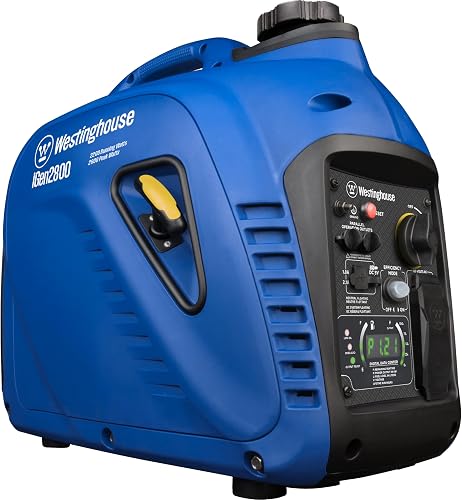
Westinghouse iGen2800 2800 Peak Watt Super Quiet Lightweight Portable Inverter Generator - Gas Powered, Parallel Ready

PowerSmart 3800 Watt Dual Fuel Inverter Generator Quiet Portable Gas Propane with CO Sensor RV Ready
As an Amazon Associate we earn from qualifying purchases. Product prices and availability are accurate as of the date/time indicated.
Frequently Asked Questions
Can I hose off or pressure wash a generator?
No. Spray forces water into vents, outlets and the control panel. With the engine off and cool, wipe the exterior with a damp cloth, then let it dry fully before the next start.
Can I run a generator in snow?
Snow counts as water, so the same dry base and vented cover apply. Also watch for drifts burying the exhaust and vents, and for snowmelt pooling under the frame as it warms.
Can I use a regular pop-up canopy over my generator?
Only with every side open, firmly anchored, and the roof fabric kept clear of the hot muffler. Wind-driven rain can still reach the unit, so a purpose-built generator tent protects better.
Does a wet gas can or wet fuel hurt the generator?
A rain-wet can is fine if you wipe the cap and spout before opening it. Water that gets into the fuel is the problem, causing hard starts and sputtering, so keep the tank opening covered during refueling.
{“@context”: “https://schema.org”, “@type”: “FAQPage”, “mainEntity”: [{“@type”: “Question”, “name”: “Can I hose off or pressure wash a generator?”, “acceptedAnswer”: {“@type”: “Answer”, “text”: “No. Spray forces water into vents, outlets and the control panel. With the engine off and cool, wipe the exterior with a damp cloth, then let it dry fully before the next start.”}}, {“@type”: “Question”, “name”: “Can I run a generator in snow?”, “acceptedAnswer”: {“@type”: “Answer”, “text”: “Snow counts as water, so the same dry base and vented cover apply. Also watch for drifts burying the exhaust and vents, and for snowmelt pooling under the frame as it warms.”}}, {“@type”: “Question”, “name”: “Can I use a regular pop-up canopy over my generator?”, “acceptedAnswer”: {“@type”: “Answer”, “text”: “Only with every side open, firmly anchored, and the roof fabric kept clear of the hot muffler. Wind-driven rain can still reach the unit, so a purpose-built generator tent protects better.”}}, {“@type”: “Question”, “name”: “Does a wet gas can or wet fuel hurt the generator?”, “acceptedAnswer”: {“@type”: “Answer”, “text”: “A rain-wet can is fine if you wipe the cap and spout before opening it. Water that gets into the fuel is the problem, causing hard starts and sputtering, so keep the tank opening covered during refueling.”}}]}