
What can a 1000 watt generator run? Phones, laptops, LED lights, a TV, a fan, a CPAP and a mini fridge, provided combined running watts stay near 800. Large motors, heaters and most microwaves are what push it past its limit.
Running watts vs starting watts: which one limits you
Running (rated) watts are what the generator can supply continuously. Starting (surge) watts are a brief burst, lasting a second or two, that motors need when they switch on. On a 1000 watt generator, running watts are the limit that matters, because the surge figure only covers short spikes.
Check the label before you trust the number on the box. Some small units are sold as “1000 watt” based on their peak rating, and their continuous output is lower. Use the rated running figure from the manual or nameplate.
Two rules keep you safe:
- As a conservative guideline, keep the total running watts of everything plugged in at or below about 80% of rated output. This is a rule of thumb, not a standard. For a true 1000 W running rating, that is 800 W.
- Take the item with the biggest startup jump, add only its extra surge on top of the running total, and make sure the result stays under the generator’s surge rating.
Staying under that level also leaves some headroom, which is gentler on the generator and on sensitive electronics.
Device chart: what fits on a 1000 watt generator
These are typical label ranges for small devices, and the fan, coffee maker and blender rows are examples only. Your own device may differ, so read its nameplate or plug it into a watt meter. The generator wattage chart covers larger appliances if you need them.
| Device | Running watts | Starting watts |
|---|---|---|
| Phone charger | 5-20 | 5-20 |
| Laptop charger | 45-100 | 45-100 |
| LED bulb | 5-15 | 5-15 |
| Wi-Fi router | 10-20 | 10-20 |
| Flat-screen TV, 32-46 in. | 50-150 | 50-150 |
| CPAP, no heated humidifier | 30-60 | 30-60 |
| Mini fridge | 60-100 | 180-300 |
| Small fan (example) | 40 | 120 |
| Slow cooker | 170-300 | 170-300 |
| 4-cup coffee maker (example; check label) | 600 | 600 |
| Blender (example; check label) | 400 | 850 |
Heating elements, such as the coffee maker’s, draw the same watts at start and while running. Motors, such as the fan and mini fridge, spike at startup.
Worked example: adding up a camp or outage load
Here is a typical setup, using mid-range values from the chart:
- Two phones: 2 × 10 W = 20 W
- Laptop charger: 65 W
- Three LED bulbs: 3 × 10 W = 30 W
- Router: 15 W
- TV: 120 W
- CPAP: 45 W
- Mini fridge: 80 W running, 250 W starting
Running total: 20 + 65 + 30 + 15 + 120 + 45 + 80 = 375 W.
The fridge adds an extra 250 − 80 = 170 W when its compressor starts, so the peak is 375 + 170 = 545 W. That is well under the 800 W limit.
Add a slow cooker (250 W): running total is 625 W and the peak is 625 + 170 = 795 W. It fits, but only just.
Add a 600 W coffee maker instead: 375 + 600 = 975 W. That is over 800 W, so run it alone or unplug other items first.
What a 1000 watt generator can’t run
These loads can exceed the 800 W working limit, or their startup surge can exceed the generator’s rating:
- Air conditioners: RV roof units and many window units draw more than a 1000 W generator can supply at startup.
- Microwaves: a microwave sold as “1000 W” typically pulls noticeably more than that from the outlet. Only small, low-wattage models might fit, and they use most of your capacity.
- Electric kettles and space heaters: many pull more than 800 W, so check the label.
- Power tools and air compressors: the motor surge is usually too large.
- Well pumps: they need several times their running watts to start. See what generator size a well pump needs by horsepower.
Dishwashers and furnace fans are borderline. Their startup surge can leave little or no margin, so check the nameplate and test with a watt meter.
Refrigerators and other motor loads
A mini fridge is an easy fit. A full-size fridge is the edge case, because its compressor surge can be several times its running watts. Whether it starts depends on the model, so read the label and test with a watt meter before an outage, not during one. For specifics, see how many watts a generator needs to run a refrigerator.
Start motor loads one at a time. Plug in the fridge, wait for the compressor to settle, then add the fan or blender. Two motors starting together stack their surges.
The blender in the chart shows the pattern: 400 W running but 850 W to start. It works alone, but not alongside a TV, a laptop and a fridge.
Inverter vs conventional generator for electronics
Inverter generators produce a clean sine wave, which suits laptops, TVs, CPAP machines and phone chargers. Conventional open-frame units can produce more distortion, especially under heavy load. If you run laptops or a TV from a conventional model, keep the load light and use a surge-protected power strip.
A 1000 W inverter model also tends to run quieter and burns less fuel at light load, which matters when the total is only a few hundred watts, as in the example above.
Safety when running it
- Run it outdoors only, never in a garage, tent, camper or near an open window. Place it at the distance from windows, doors and vents that the manual or label specifies.
- Use battery-powered CO alarms in sleeping areas.
- Never plug it into a wall outlet to power the house. Only a transfer switch installed by a licensed electrician is safe.
- Let the engine cool before refueling, and keep the unit dry.
Our Top Picks
Ready to shop? These are the top-rated options from our related roundup, Best Quiet 3000 Watt Inverter Generators of 2026.

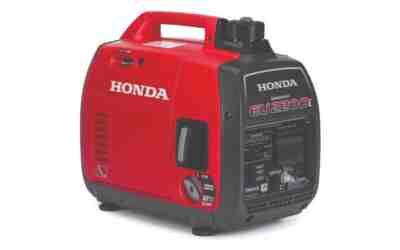
Honda EU2200iTAN 2200W Super Quiet Portable Inverter Generator with CO-Minder - Ideal for Camping, RV, Home Backup
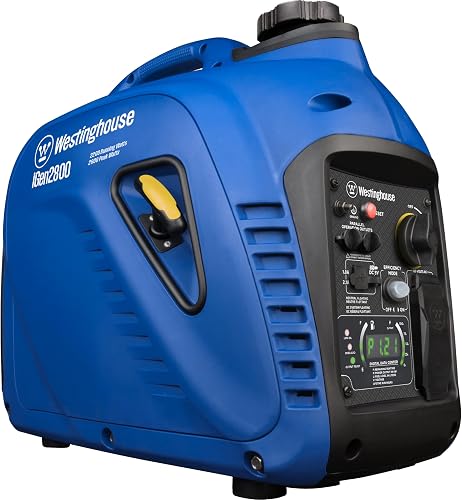
Westinghouse iGen2800 2800 Peak Watt Super Quiet Lightweight Portable Inverter Generator - Gas Powered, Parallel Ready

WEN 56235i 2350W Super Quiet Portable Inverter Generator - Ultra Lightweight 39lbs, Fuel Shut-Off, Clean Power for Camping RV
As an Amazon Associate we earn from qualifying purchases. Product prices and availability are accurate as of the date/time indicated.
Frequently Asked Questions
Can I run a CPAP all night on a 1000 watt generator?
Yes, the machine itself draws a small fraction of the generator’s capacity. The real questions are fuel and noise: confirm the tank lasts the night at light load per the manual, and keep the unit outdoors with a CO alarm near where you sleep.
Is a 1000 watt power station better than a 1000 watt generator?
Neither is better overall. A power station is silent, makes no fumes and can sit indoors, but it stops when its battery empties. A generator keeps going as long as you refuel it, which suits long outages and all-night loads.
Can I use a power strip or extension cord with it?
Yes. Use an outdoor-rated cord of 16 gauge or thicker, and keep it as short as practical. A surge-protected strip works for electronics, but every device on it still counts toward the generator’s total load.
How long will a 1000 watt generator run on one tank?
It depends on the model and the load. Check the manual’s run time at 25% and 50% load. Lighter loads like the 375 W example last longer than a load near the 800 W limit.
{“@context”: “https://schema.org”, “@type”: “FAQPage”, “mainEntity”: [{“@type”: “Question”, “name”: “Can I run a CPAP all night on a 1000 watt generator?”, “acceptedAnswer”: {“@type”: “Answer”, “text”: “Yes, the machine itself draws a small fraction of the generator’s capacity. The real questions are fuel and noise: confirm the tank lasts the night at light load per the manual, and keep the unit outdoors with a CO alarm near where you sleep.”}}, {“@type”: “Question”, “name”: “Is a 1000 watt power station better than a 1000 watt generator?”, “acceptedAnswer”: {“@type”: “Answer”, “text”: “Neither is better overall. A power station is silent, makes no fumes and can sit indoors, but it stops when its battery empties. A generator keeps going as long as you refuel it, which suits long outages and all-night loads.”}}, {“@type”: “Question”, “name”: “Can I use a power strip or extension cord with it?”, “acceptedAnswer”: {“@type”: “Answer”, “text”: “Yes. Use an outdoor-rated cord of 16 gauge or thicker, and keep it as short as practical. A surge-protected strip works for electronics, but every device on it still counts toward the generator’s total load.”}}, {“@type”: “Question”, “name”: “How long will a 1000 watt generator run on one tank?”, “acceptedAnswer”: {“@type”: “Answer”, “text”: “It depends on the model and the load. Check the manual’s run time at 25% and 50% load. Lighter loads like the 375 W example last longer than a load near the 800 W limit.”}}]}