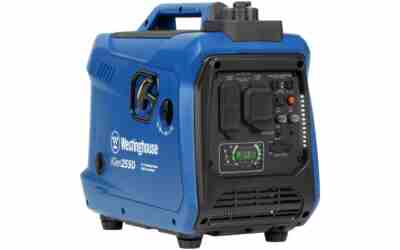
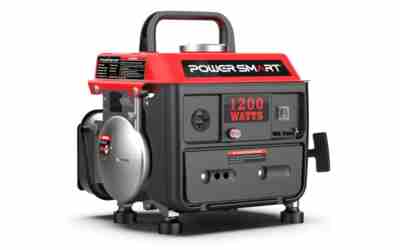
No, not all generators are inverters. An inverter generator converts engine power to DC and back to clean AC, while a conventional unit outputs AC directly. To tell them apart, look for an inverter (DC) stage, a listed THD figure and an eco mode on the spec sheet.
Why not all generators are inverters
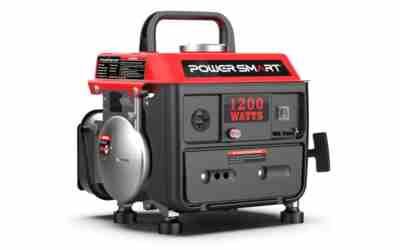
A conventional portable generator connects the engine to an alternator, and the alternator’s output goes straight to your outlets. AC frequency follows engine speed, so the engine has to hold a fixed speed, typically 3,600 rpm for 60 Hz US power, whether you draw 100 watts or full load.
An inverter generator adds an electronic middle step:
- The alternator produces raw AC.
- A rectifier converts that AC to DC.
- An inverter module builds fresh, stable 60 Hz AC from the DC.
Because the frequency is created electronically, the engine is free to speed up and slow down with the load. That one design change explains almost every other difference between the two types.
How to tell if a generator is an inverter
Marketing terms like “clean power” and “pure sine wave” are used loosely, so check several clues rather than one.
- Model name and control panel: true inverter models almost always say “inverter” on the unit or in the product name.
- THD on the spec sheet: a listed total harmonic distortion figure is a strong sign of an inverter. A missing figure is a reason to look further.
- Economy or eco switch: this lets the engine throttle with load, which only makes sense with an inverter.
- Engine speed in the manual: a stated fixed 3,600 rpm means a conventional design.
- Parallel ports: a parallel-ready connection on the panel points to an inverter model.
Do not rely on the frame. Compact enclosed housings are common on inverters, but some mid-size inverters use open frames. An automatic voltage regulator (AVR) alone also does not make a generator an inverter. It steadies voltage, not waveform shape.
Inverter vs conventional: noise, fuel, power quality and cost
| Feature | Conventional | Inverter |
|---|---|---|
| Power path | Alternator to outlets | AC to DC to new AC |
| Engine speed | Fixed, typically 3,600 rpm | Rises and falls with load |
| Retailer-reported THD | 8-25% at about half load | 1-3% |
The THD ranges come from retailer and blog sources, not a standard or a lab test, and they disagree from page to page. Treat them as typical, and trust the number on the model’s own spec sheet.
Noise and fuel: at light loads an inverter slows its engine, so it usually runs quieter and burns less fuel. At full load the engine works hard and that gap narrows.
Cost: conventional units generally cost less per running watt and reach higher output. The inverter electronics add cost, so you pay more for the same wattage. For a deeper head-to-head, see our guide on inverter vs conventional generators.
Are portable power stations and solar generators inverters?
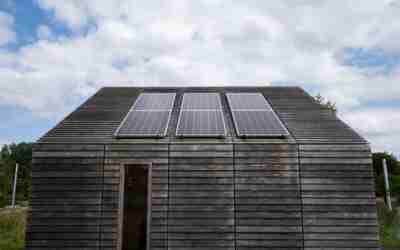
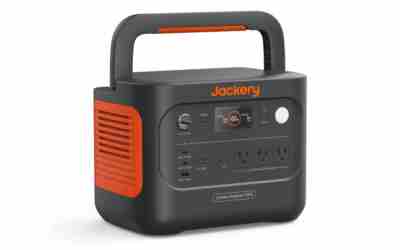
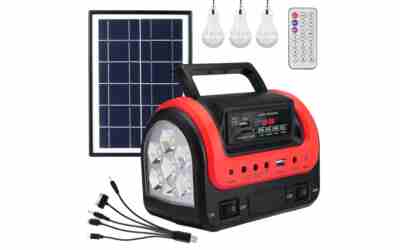
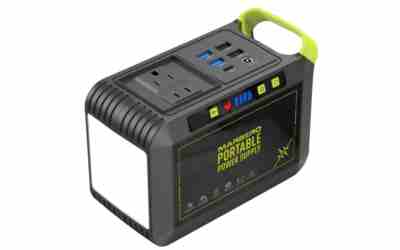
They contain an inverter, but they are not inverter generators. A power station or solar generator stores energy in a battery, and its built-in inverter turns that DC into AC. There is no engine, no fuel and no exhaust.
A standalone inverter is just the conversion box. It needs a battery or solar input and makes no electricity on its own. An inverter generator makes its own power from fuel, then conditions it.
Quick way to sort them out: if the product burns gasoline, propane or diesel, it is a generator, and the only question is which type. If it has a battery and no fuel tank, it is a power station.
High wattage, AVR and dual-fuel edge cases
Higher wattage does not rule out an inverter. Inverter models now span from small camping units to mid-size and larger sizes, and some can be linked in parallel for more output. Our roundup of mid-sized inverter generators shows what that range looks like.
Two cases confuse shoppers:
- Conventional with AVR: some conventional models regulate voltage electronically and advertise stable output. That helps, but the waveform is still tied to engine speed. Look for a THD figure before you plug in sensitive gear.
- Dual-fuel units: running on propane or gasoline says nothing about the type. Both conventional and inverter models come in dual-fuel versions, so check the same clues as above.
Which type to choose for backup, RV, camping or job sites
Decision rule: choose an inverter if you power electronics or need quiet; choose conventional if you need the most watts per dollar for tools and heavy motors.
- Home backup: an inverter handles a refrigerator, router, lights and device charging. A well pump, central air or whole-house loads usually call for a larger conventional unit. Compare options in our guide to inverter generators for home backup.
- RV: an inverter suits quiet hours and sensitive onboard electronics.
- Camping and tailgating: a light inverter is easier to carry and gentler on neighbors.
- Job site: a conventional unit is the practical match for saws and compressors. Charge laptops and phones from an inverter or power station instead.
Safety applies to both types. Run any generator outdoors, away from windows, doors and vents, following the manual for placement, and use a CO alarm indoors. Never backfeed the house through an outlet. Connect to home wiring only through a transfer switch or interlock installed by a licensed electrician, in line with local code.
Our Top Picks
Ready to shop? These are the top-rated options from our related roundup, Best Dual Fuel Portable Inverter Generators of 2026.

Westinghouse iGen5000DF 5000 Peak Watt Dual Fuel Inverter Generator - Super Quiet RV Ready Remote Start

Westinghouse iGen4000DFc 4000 Peak Watt Dual Fuel Inverter Generator - Super Quiet RV Ready Remote Start CO Sensor

maXpeedingrods MXR4000GT 4000W Dual Fuel Inverter Generator with Bluetooth App Control
As an Amazon Associate we earn from qualifying purchases. Product prices and availability are accurate as of the date/time indicated.
Frequently Asked Questions
Can I run a laptop on a conventional generator?
Not reliably. Chargers tolerate some distortion, but manufacturers rarely guarantee it on a generator with no stated THD. If the spec sheet lists no THD figure, power laptops and phones from an inverter generator or a power station instead.
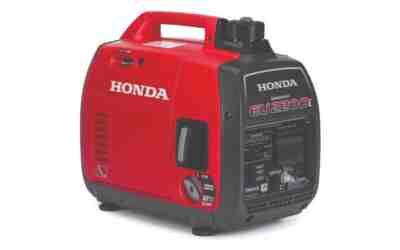
Is a Honda EU2200i a true inverter?
Yes, the EU2200i is sold as an inverter generator. For any model, confirm it on the spec sheet by looking for a listed THD figure and an eco mode.
Are inverter generators quieter at full load?
Not by much. The quiet advantage comes mainly at light loads, when the engine slows down. At full load the engine works hard and the gap with conventional units narrows.
Can I convert a conventional generator to an inverter?
Generally not in a practical way. The inverter is part of the generator’s design, so if you need clean power, buy an inverter model or use a power station for sensitive electronics.
Is a pure sine wave generator always an inverter?
No. “Pure sine wave” is used loosely in marketing. Check the model’s spec sheet for a THD figure and for the AC to DC to AC design before assuming it is an inverter.
{“@context”: “https://schema.org”, “@type”: “FAQPage”, “mainEntity”: [{“@type”: “Question”, “name”: “Can I run a laptop on a conventional generator?”, “acceptedAnswer”: {“@type”: “Answer”, “text”: “Not reliably. Chargers tolerate some distortion, but manufacturers rarely guarantee it on a generator with no stated THD. If the spec sheet lists no THD figure, power laptops and phones from an inverter generator or a power station instead.”}}, {“@type”: “Question”, “name”: “Is a Honda EU2200i a true inverter?”, “acceptedAnswer”: {“@type”: “Answer”, “text”: “Yes, the EU2200i is sold as an inverter generator. For any model, confirm it on the spec sheet by looking for a listed THD figure and an eco mode.”}}, {“@type”: “Question”, “name”: “Are inverter generators quieter at full load?”, “acceptedAnswer”: {“@type”: “Answer”, “text”: “Not by much. The quiet advantage comes mainly at light loads, when the engine slows down. At full load the engine works hard and the gap with conventional units narrows.”}}, {“@type”: “Question”, “name”: “Can I convert a conventional generator to an inverter?”, “acceptedAnswer”: {“@type”: “Answer”, “text”: “Generally not in a practical way. The inverter is part of the generator’s design, so if you need clean power, buy an inverter model or use a power station for sensitive electronics.”}}, {“@type”: “Question”, “name”: “Is a pure sine wave generator always an inverter?”, “acceptedAnswer”: {“@type”: “Answer”, “text”: “No. \”Pure sine wave\” is used loosely in marketing. Check the model’s spec sheet for a THD figure and for the AC to DC to AC design before assuming it is an inverter.”}}]}