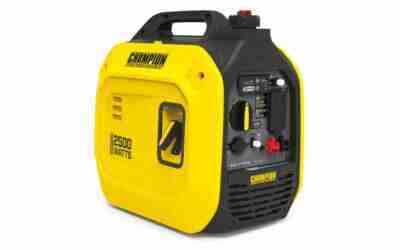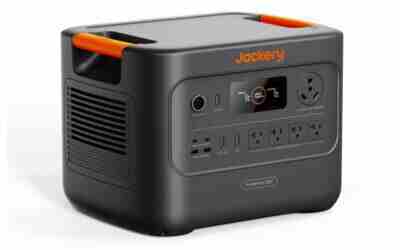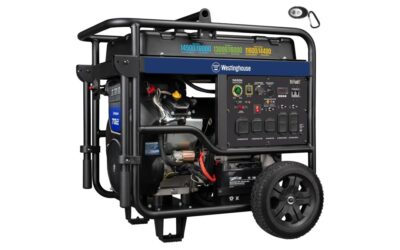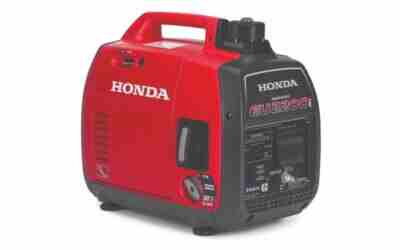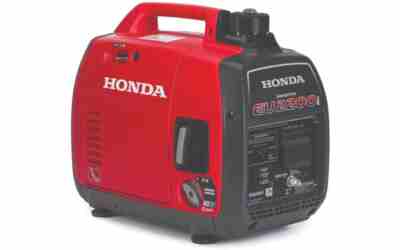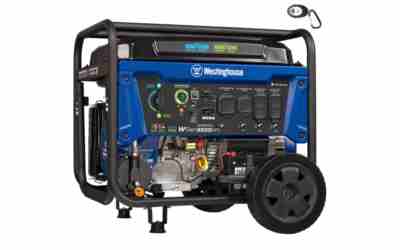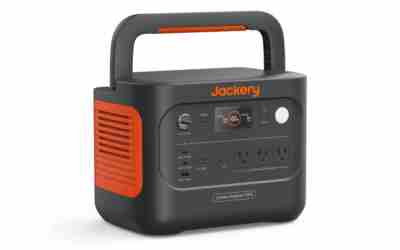

Conventional (open-frame) generators run their engine at a constant speed regardless of how much power you’re actually using, producing raw, less-refined AC power directly from the alternator. Inverter generators convert that raw output to DC first, then electronically re-synthesize it into a clean AC sine wave, while letting the engine speed vary with actual demand. That single design difference is what makes inverter models quieter, more fuel-efficient, and safer for electronics — at a higher price per running watt than a conventional unit of the same output.
How Each Design Actually Works
A conventional generator’s engine spins at a fixed RPM (typically 3600 RPM to produce standard 60Hz power) whether you’re drawing 200 watts or 2,000 watts, because that fixed speed is what keeps the frequency and voltage correct with a purely mechanical alternator. This is simple and reliable, but it means fuel burns at nearly the same rate whether your load is light or heavy, and the engine noise never really drops.
An inverter generator’s engine speed is controlled electronically and throttles down automatically when demand is low, then ramps up as needed — because the final clean sine wave is synthesized afterward by the inverter circuitry, not created directly by the spinning alternator. This is the source of every major inverter advantage: quieter idle, better fuel economy under partial load, and lower electrical distortion (see our dedicated guide to running watts vs. starting watts and to THD, Total Harmonic Distortion, for how that cleaner waveform specifically protects laptops, phones, and other electronics).

Side-by-Side Comparison
| Conventional | Inverter | |
|---|---|---|
| Noise | Louder, constant regardless of load | Quieter, drops further at partial load |
| Fuel efficiency | Lower under partial load | Higher — engine speed matches demand |
| Power quality (THD) | Typically 15–25% | Typically under 3% |
| Weight (per running watt) | Heavier | Generally lighter |
| Price (per running watt) | Lower | Higher |
| Parallel capability | Rare | Common on smaller models — link two units for more power |
| Best for | Job sites, whole-house/high-wattage backup where raw power-per-dollar matters most | Camping, RVs, tailgating, noise-sensitive areas, sensitive electronics |
Parallel Capability: An Inverter-Specific Advantage
Many inverter generators support a “parallel kit” that links two identical (or compatible) units together to combine their output into a single, larger power supply — letting you buy one smaller, lighter, quieter unit for everyday use and add a second only when you actually need more capacity, rather than owning one large generator sized for your worst-case scenario. Conventional generators rarely offer this flexibility.
Which One Should You Actually Buy?
If you’re powering a job site, a whole-house backup setup, or generally need maximum running watts for the lowest price, and noise/portability/clean power aren’t priorities, a conventional generator is the more cost-effective choice — see our best portable generators for home backup roundup, which includes strong conventional options alongside inverter models. If you’re camping, running an RV, tailgating, live somewhere noise-conscious, or need to safely power laptops/phones/medical equipment, an inverter generator is worth the price premium — browse our full best inverter generators guide, or the noise-focused best quiet generators picks if low decibels are your top priority.
Frequently Asked Questions About Inverter vs. Conventional Generators
Are inverter generators always quieter than conventional ones?
Almost always at partial load, since the engine can throttle down — but at full load, the gap narrows because both designs’ engines are working near maximum output. The biggest noise advantage shows up when you’re not using the generator’s full capacity.
Can a conventional generator safely charge a laptop or phone?
Occasionally and briefly, usually without issue, but it’s not the recommended regular practice — conventional generators’ higher THD can cause glitches or added wear on sensitive electronics over repeated/extended use. An inverter generator is the safer default for this.
Is an inverter generator always more expensive than a conventional one?
For the same running-watt rating, yes, typically — the electronic inverter circuitry adds real manufacturing cost. The price gap is the main tradeoff against inverter models’ quieter, cleaner, more fuel-efficient operation.
Can I link two conventional generators together like an inverter parallel kit?
Generally no — parallel capability is a feature specific to compatible inverter generator models designed for it, not something available on standard conventional units.
Which type is better for whole-house emergency backup?
Both can work, but conventional generators are more common here because whole-house backup typically needs high running watts at the lowest cost, and noise/portability matter less for a stationary home-backup setup than for camping or RV use.