
A portable power station is one of the few pieces of emergency gear that keeps degrading whether you use it or not. Unlike a generator sitting in a shed with stale gas, a lithium battery pack loses real capacity just from sitting at the wrong charge level in the wrong temperature. The two habits that quietly wreck a home standby unit are leaving it plugged in at 100 percent on the charger, and parking it in an unconditioned garage through summer heat or winter cold. Neither mistake shows a warning light. You just discover the loss the day you actually need the runtime and it is not there. This guide covers the storage charge level, the temperature range that matters, a top-up schedule you can actually keep, and why the battery chemistry inside your unit changes the answer.
Why “Fully Charged and Ready” Is the Wrong Way to Store It
It feels responsible to keep a backup power station topped off at 100 percent so it is ready the moment you need it. For lithium batteries, that is close to the worst state to leave one sitting in for weeks or months at a time. A cell held at full charge sits at its highest internal voltage, and that voltage stress is what drives calendar aging, the slow, permanent capacity loss that happens even when a battery is never used. A pack stored at full charge for a year can lose noticeably more usable capacity than an identical pack stored at a partial charge, with no cycles and no visible cause.
The other extreme is just as bad. A power station left to drain to zero and sit there, especially for months, risks the battery management system shutting the pack down to protect it, or in worse cases permanent cell damage that shows up as a unit that will not take a charge at all. Manufacturers of both LiFePO4 and NMC power stations converge on the same target for long-term storage: roughly 40 to 60 percent state of charge. That range keeps voltage stress low without risking a deep-discharge fault, and it is the number most manuals bury in a maintenance section nobody reads until something goes wrong.
The Top-Up Interval: What to Actually Do Every Few Months
Storing at 40 to 60 percent is not a one-time setting. Lithium cells self-discharge slowly even sitting untouched, so a unit set to 50 percent in January can drift meaningfully lower by summer. The practical routine is to check the state of charge every one to three months, charge back up to the 40 to 60 percent band if it has drifted below that, and never let a stored unit sit for more than about six months without at least a look. Setting a recurring reminder on your phone is more reliable than trying to remember on your own, since this is exactly the kind of maintenance that gets skipped once the initial emergency-prep motivation fades.
If your power station has an app, most now show state of charge remotely without a trip to the garage, which removes the main excuse for skipping the check. Some higher-end units also offer a built-in storage mode that caps charging around the ideal storage percentage automatically; use that setting if you have it, since it is calibrated to the specific cell chemistry inside your model.
The Garage Problem: Heat Does More Damage Than Cold
An unconditioned garage is the default storage spot for most home backup power stations, and it is also the single biggest reason owners see faster-than-expected capacity loss. Lithium battery aging accelerates sharply with heat. A pack stored around 77°F ages gently; the same pack stored consistently above 95°F, which a closed garage under direct summer sun can easily reach, ages several times faster over the same calendar period. That is not a one-season effect either. A power station that spends three summers baking in a garage can arrive at year three with meaningfully less usable capacity than an identical unit kept in a climate-controlled closet, even with identical use.
Cold matters too, but differently. Charging a lithium battery at very low temperatures, generally below freezing, can cause lithium plating inside the cells, a form of permanent damage that reduces capacity and, in bad cases, creates a safety risk. Most power stations with any sense built in will refuse to charge, or charge at a reduced rate, below a certain temperature threshold specifically to prevent this. Simply storing a power station cold without charging it is far less damaging than charging one cold, so the real rule is: never plug in a power station to charge it until it has warmed back up to room temperature if it has been sitting in a cold garage.
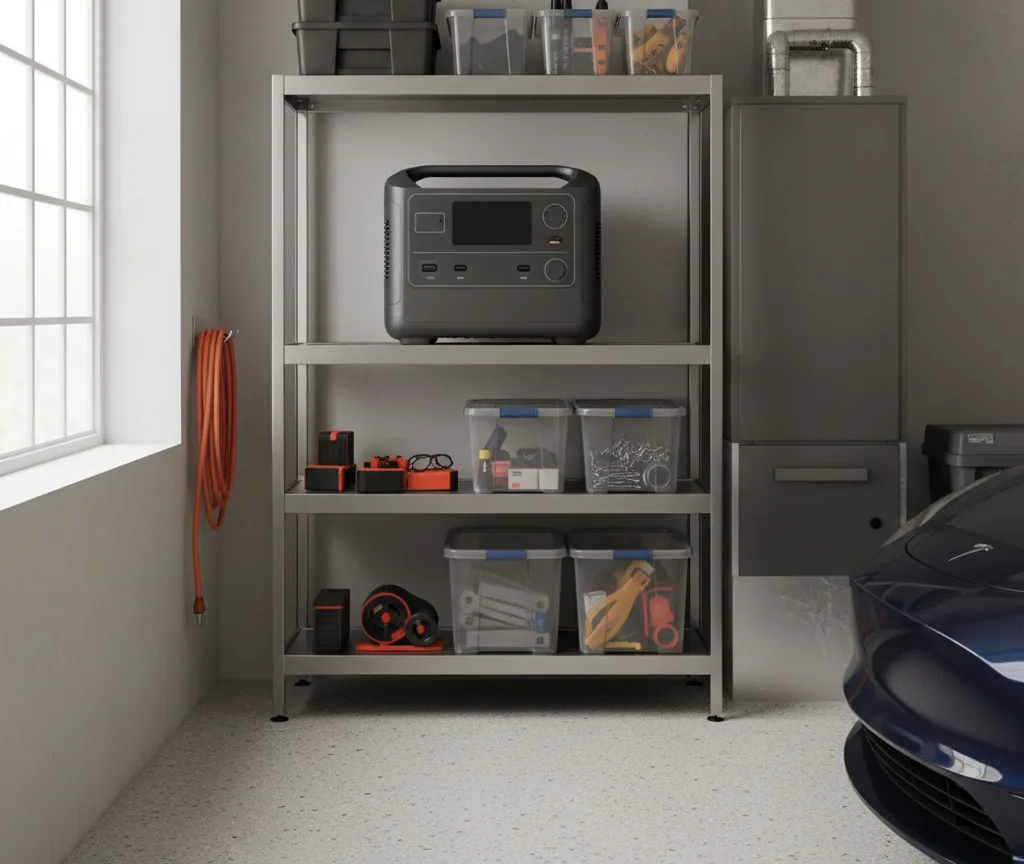
If a garage is genuinely your only option, a few placement choices reduce the damage. Keep the unit off the floor near a furnace or water heater, both of which raise the surrounding air temperature well above what a house thermostat would suggest, and out of direct sun through a window or garage door gap, since sealed plastic housings heat up fast even on a mild day. A metal shelf against an interior wall, away from both heat sources and direct sun, is a meaningfully better spot than the floor by the garage door.
LiFePO4 vs NMC: Why the Chemistry Changes the Answer
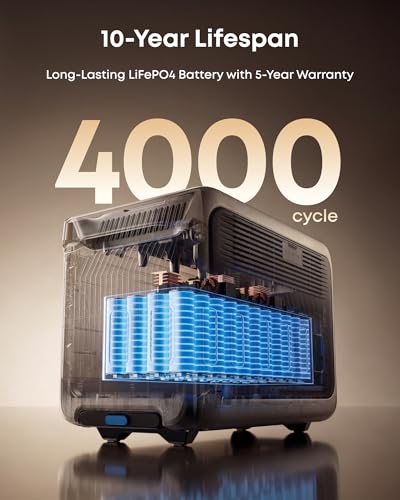
Not every power station ages the same way, because not every one uses the same battery chemistry. LiFePO4, lithium iron phosphate, is the chemistry in most newer home backup power stations built for whole-home use. NMC, nickel manganese cobalt, is the older and still common chemistry in many lighter, more portable units. The practical difference for storage is that LiFePO4 tolerates the 40 to 60 percent band and higher temperatures noticeably better than NMC, and is rated for two to four times more charge cycles before it drops to 80 percent of original capacity.
That does not mean NMC storage rules are different in kind, just less forgiving. An NMC unit left at 100 percent in a hot garage will show capacity loss faster and sooner than a LiFePO4 unit treated the same way, so if you own an NMC power station, the 40 to 60 percent storage band and the temperature precautions above matter even more than they do for a newer LiFePO4 unit. Either way, the underlying rules are identical: moderate charge, moderate temperature, checked periodically rather than set and forgotten.
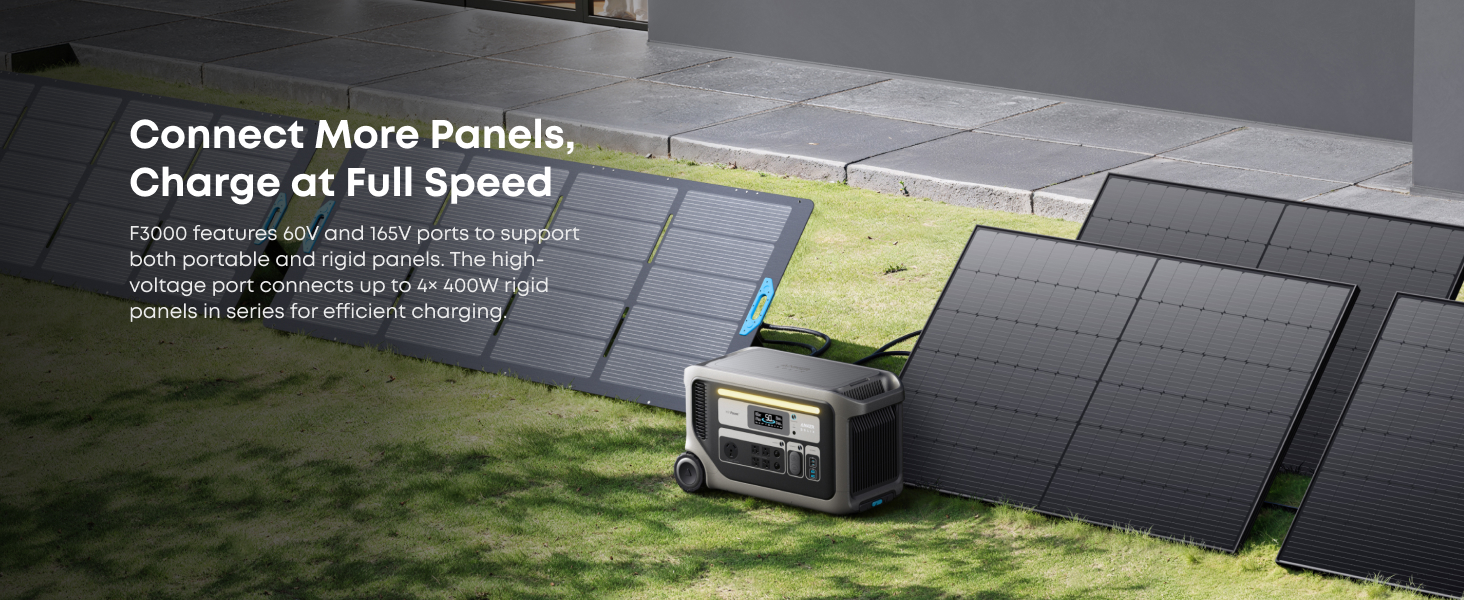
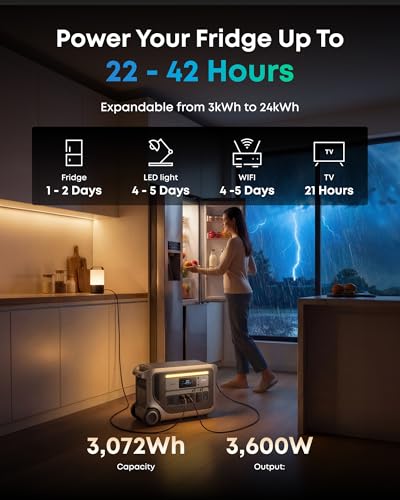
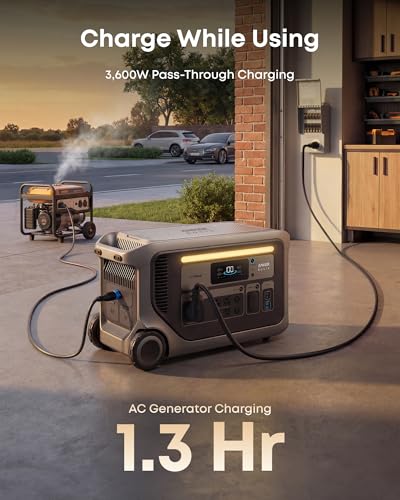
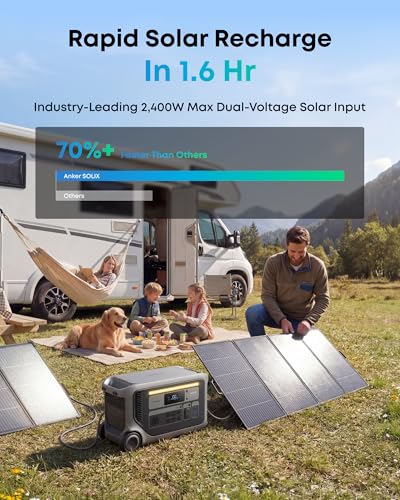
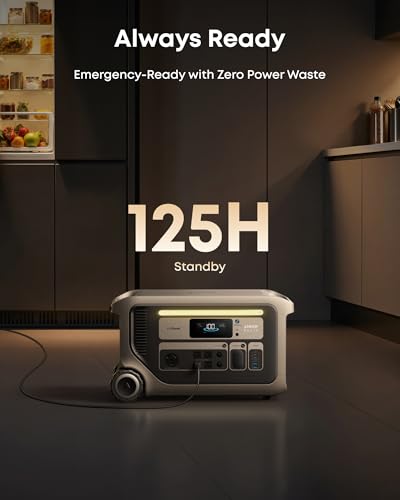
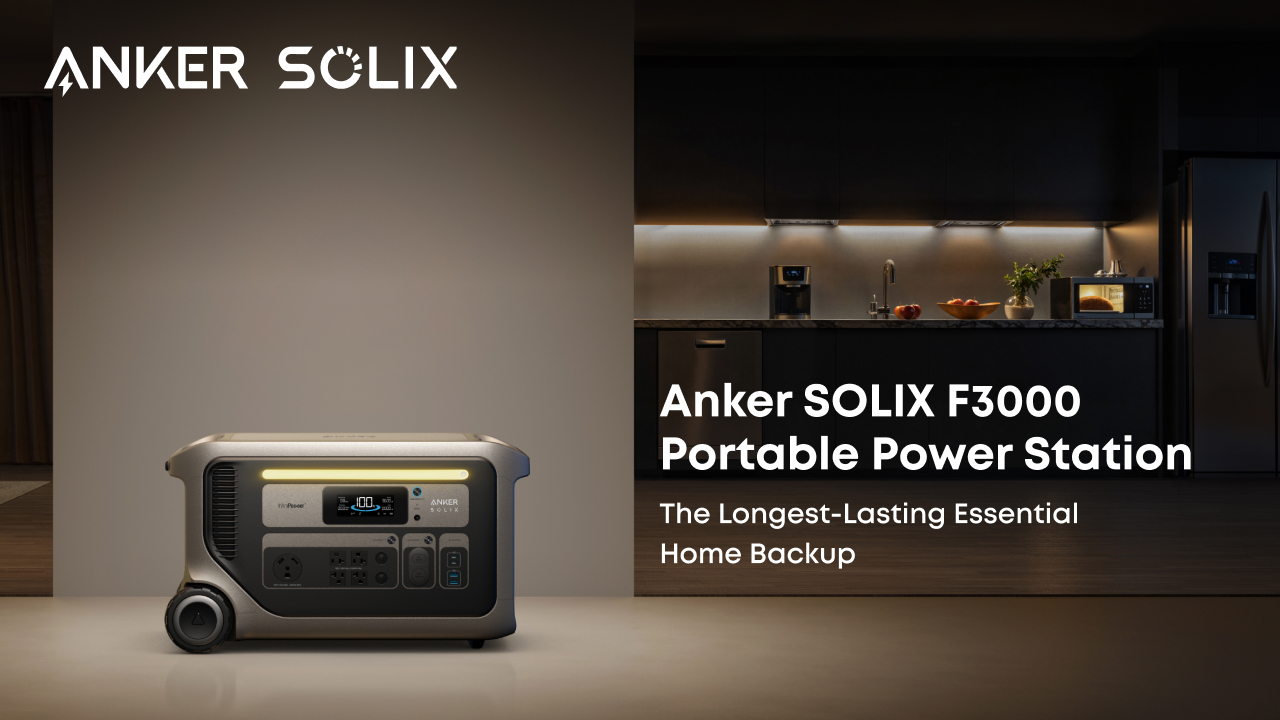
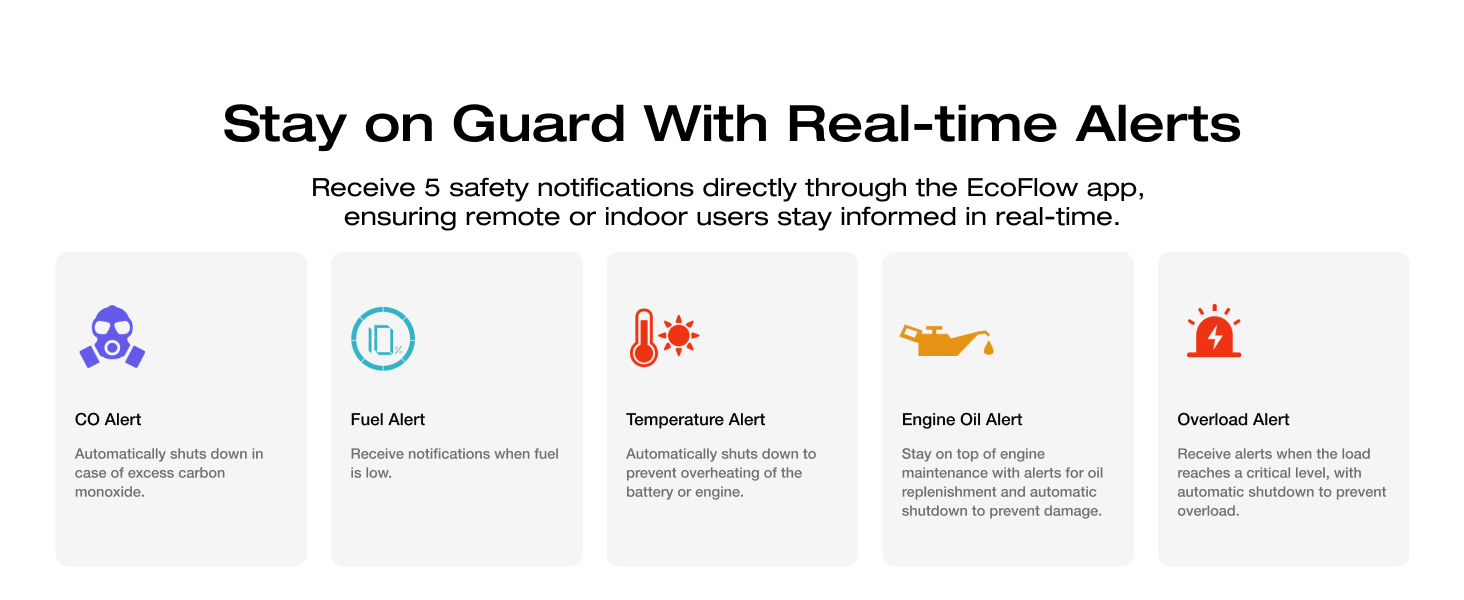
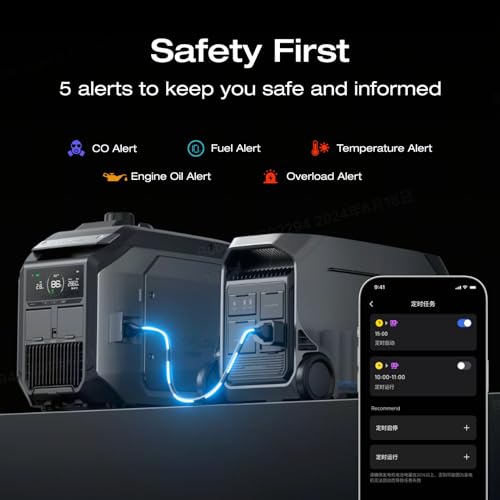
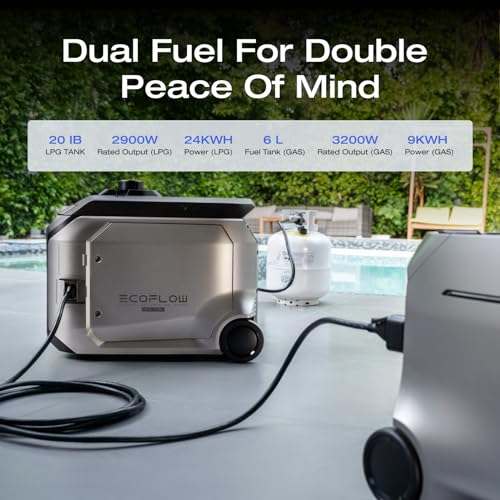
If you are shopping for a replacement or a second unit specifically because an older NMC power station is aging faster than expected, LiFePO4 models are worth the look for exactly this reason. The Anker SOLIX F3000 and the EcoFlow Delta Pro 3 are both LiFePO4 units built for the kind of home standby duty that spends most of its life in storage between outages, which is precisely the use case where chemistry and storage habits matter most.

Anker SOLIX F3000 3072Wh Solar Generator | 3600W Output, Expandable to 24kWh, Fast 6000W Recharge for Home Backup, RVs, Camping


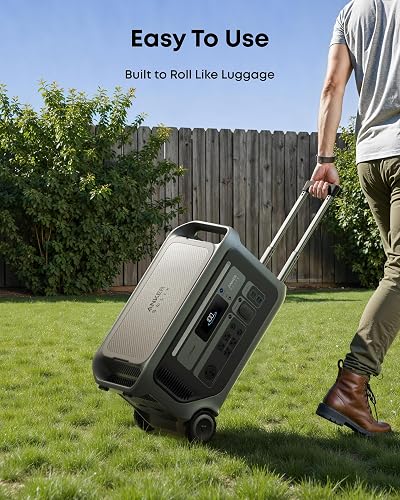





EcoFlow DELTA Pro 3 4096Wh Power Station + 3200W Dual Fuel Smart Generator GE305 - Whole Home Backup for Emergencies & RVs









Can You Leave a Power Station Plugged In All the Time?
Leaving a power station connected to wall power continuously, the way you might leave a UPS plugged in, is a different question from storing it fully charged. Most modern units have pass-through charging management that stops actively charging once the battery is full, then only tops off occasionally to compensate for self-discharge, similar to how a laptop behaves when it stays plugged in. That eases the voltage-stress problem somewhat, but does not eliminate it. If your goal is standby readiness rather than daily use, the 40 to 60 percent storage band is still the better target, with a full charge only right before a forecast outage.
The exception is a unit you genuinely cycle often, running appliances regularly and recharging as part of normal use. In that case the battery is not really in long-term storage at all, and the calendar-aging concerns above matter much less than they do for a unit that sits untouched between hurricane seasons or winter storms. For a broader comparison of home-standby models built around this kind of intermittent, storage-heavy use, see our roundup of home portable power stations, and for units sized for a full night of appliance runtime between charges, our guide to 1000Wh portable power stations breaks down capacity against real household loads.
Frequently Asked Questions
What is the best charge level to store a portable power station at?
Most manufacturers recommend storing a lithium power station at roughly 40 to 60 percent state of charge for long stretches without use. This range minimizes the voltage stress that drives calendar aging while avoiding the risks of a deep discharge.
Is it bad to leave my power station plugged in all the time?
Most modern units manage pass-through charging so they are not constantly topping off at full voltage, which reduces the damage compared to older designs. Even so, for a unit kept purely for standby use, storing it at 40 to 60 percent and charging fully only before an expected outage is better than leaving it at 100 percent continuously.
Why does storing a power station in a hot garage hurt the battery?
Lithium battery aging accelerates sharply with heat. A garage that reaches the mid-90s or higher under summer sun can age a battery several times faster than one stored around normal room temperature, even with identical use and charge habits.
Should I charge a power station that has been sitting in a cold garage?
Let it warm back up to room temperature first. Charging a lithium battery while it is very cold, generally below freezing, can cause internal plating that permanently reduces capacity. Simply storing it cold without charging is far less risky than charging it cold.
Does LiFePO4 need different storage care than NMC power stations?
The same rules apply to both, but LiFePO4 tolerates the 40 to 60 percent storage band and higher temperatures better than NMC, and it is rated for far more charge cycles before capacity drops. NMC units age faster under the same poor storage habits, so the precautions matter even more for them.