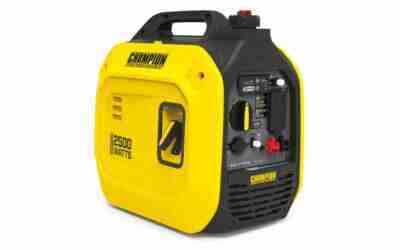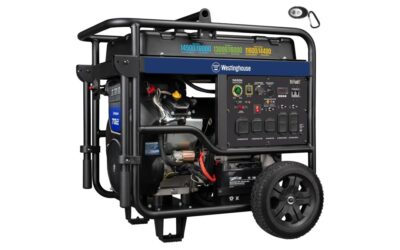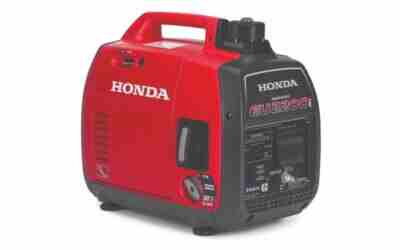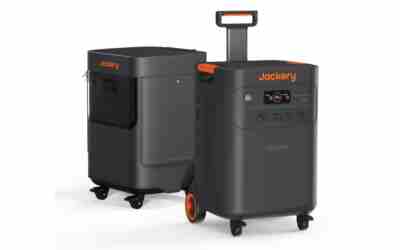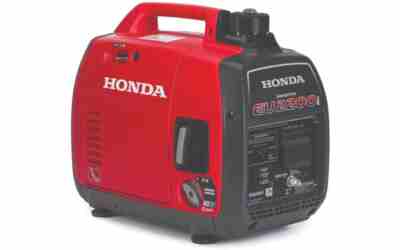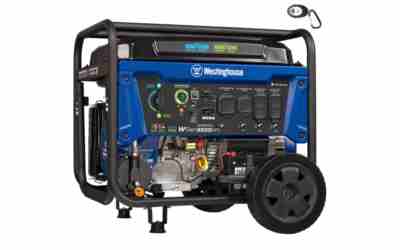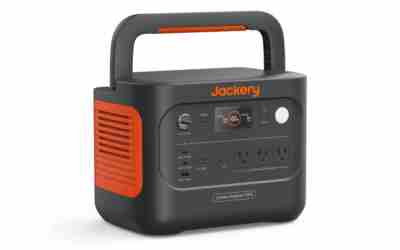

Our editorial team weighed 's published specifications and how it stacks up against similar products in the covers category. What stands out: Weather-Resistant Protection, Secure Elastic Fit, and Easy-Access Zippers. Where it falls short: Fits 3000W+ Models Only and Stiff Vinyl at First. That puts it at 8.7/10 on our WG Score – an excellent, well-rounded option.
 Reviewed byEthan
Most generator owners never get an answer to the question that actually matters: not which generator to buy, but where the thing lives between outages, and where the gas for it sits in the meantime. Manuals cover oil changes and spark plugs. They rarely spell out that the wrong storage spot creates a fire or carbon monoxide risk with the unit sitting completely off. This guide separates the three rules people blur together: where the generator itself can safely sit, where the fuel for it can safely sit, and how those two answers are almost never the same spot. It then lays out a workable garage or shed layout and a stabilizer-and-rotation schedule that keeps stored gas usable months later.
The Rule That Overrides Everything: Never Run It in an Attached Space
Before any storage question, one rule sits above the rest and it is not about storage at all: a generator is never run inside a garage, shed, breezeway, or any other attached or enclosed space, even with the door open. Carbon monoxide from a running generator can build to lethal levels in an attached garage in minutes, and it migrates into the living space through doorways, shared walls, and duct paths far more easily than most owners expect. This matters for a storage guide because it draws the line the rest of this article works within: everything below is about where a generator sits while off. The moment it is time to run it, the unit comes out to open air, a minimum of 20 feet from windows, doors, and vents, full stop.
Keeping that line clear also keeps the storage decision simpler. A generator that lives in an attached garage does not get run there; it gets wheeled out to the driveway or yard first. If that extra step feels like a reason to skip it during an actual outage, that is worth solving before the storm, not during it. A spot near the garage door with a clear, unobstructed path out is worth planning for now.
Storing the Generator Itself: Garage, Detached Shed, or Covered Exterior
Once the fuel tank is drained or run dry for storage, an attached garage is a fine place to keep the generator itself: the CO risk above is about running it, not parking it there cold. A detached shed is just as good and has one real advantage: it keeps the machine, and the faint gasoline smell that clings to any unit that was not fully drained, away from the house entirely. A covered spot outside under a hard shelter is the weakest of the three options, since temperature swings and humidity are harder on the engine, battery, and electronics than a stable indoor temperature.
Wherever it sits, keep the generator off bare concrete or dirt on a simple pallet or rubber mat. Concrete pulls moisture up into the frame over time, and a damp base is what starts corrosion on the underside of the fuel tank and the engine mounts long before anything else on the unit shows wear.
Generator Cover vs Tarp: Why the Difference Matters
A tarp seems like the obvious cheap fix, and for a generator it is close to the worst common choice. A tarp cinched down tight traps whatever moisture is already on the unit against the metal, and it blocks airflow completely, which is exactly wrong for an engine that may still be carrying trace fuel vapor or a warm residual smell from its last run. A generator sealed under a tarp for a season is a generator that comes out for the next outage with surface rust starting on fasteners and brackets that would have stayed dry with airflow.
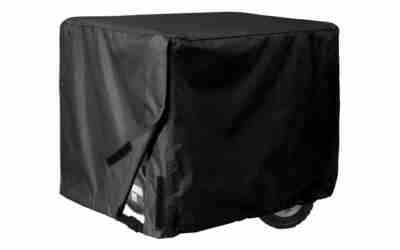
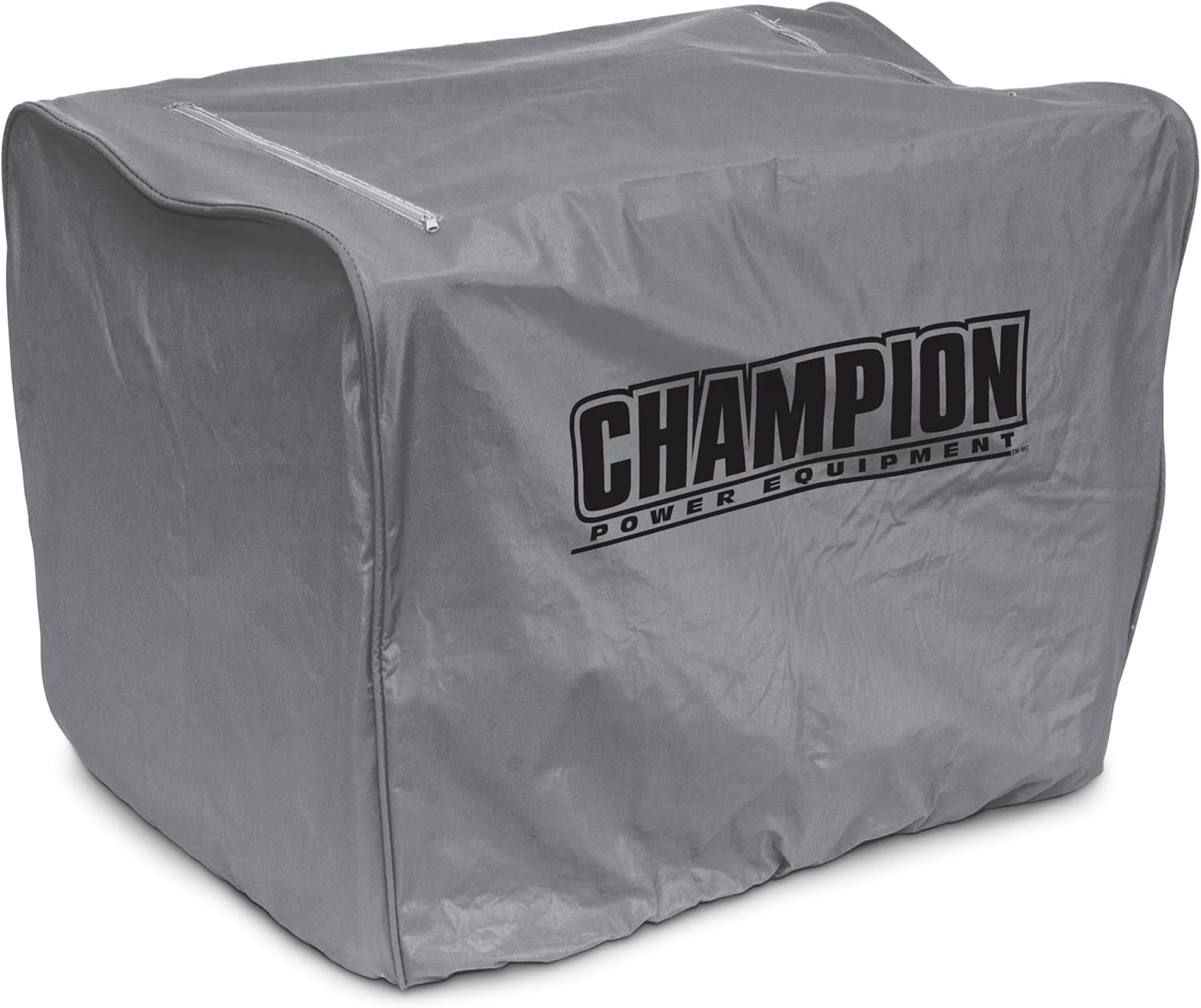
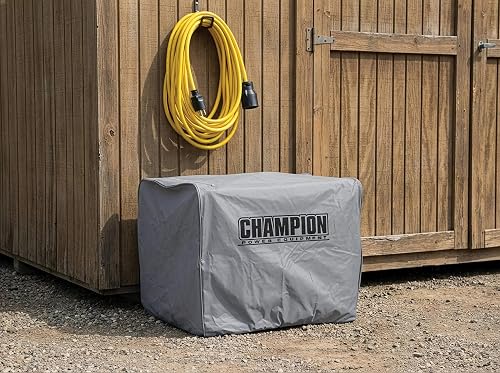
A purpose-built storage cover solves this because it is cut to breathe: vented panels or a looser weave let air move through while still keeping rain, dust, and direct sun off the housing and control panel. That distinction, breathable cover versus sealed tarp, is the entire difference for long-term storage, and it is why a $30 cover consistently outlasts a $10 tarp on the same generator kept in the same spot.
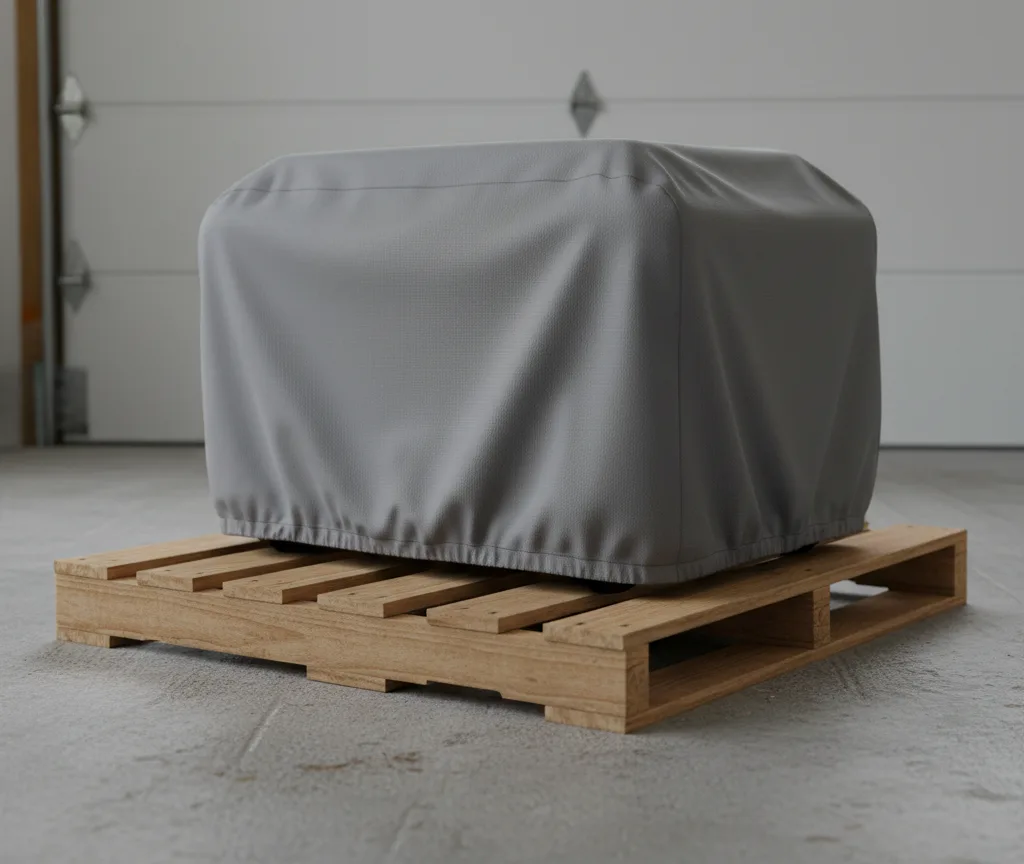
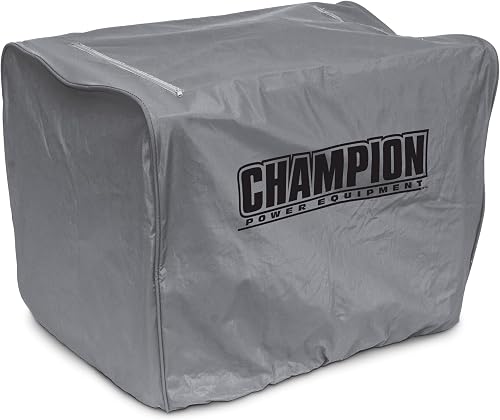
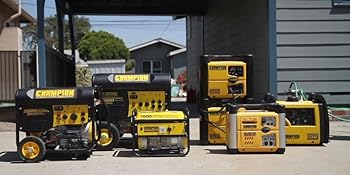
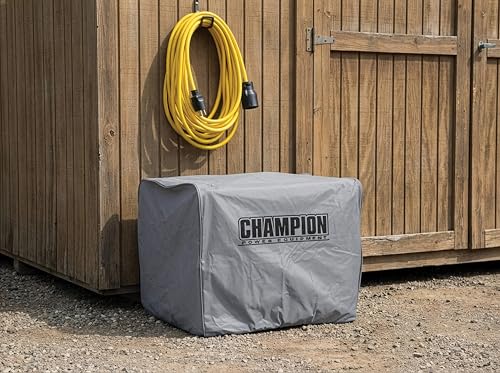
Champion C90018 Weather-Resistant Storage Cover for 3000W+ Inverter Generators - Durable Protection














Storing Gas Cans: Distance From Ignition Sources and the Right Container
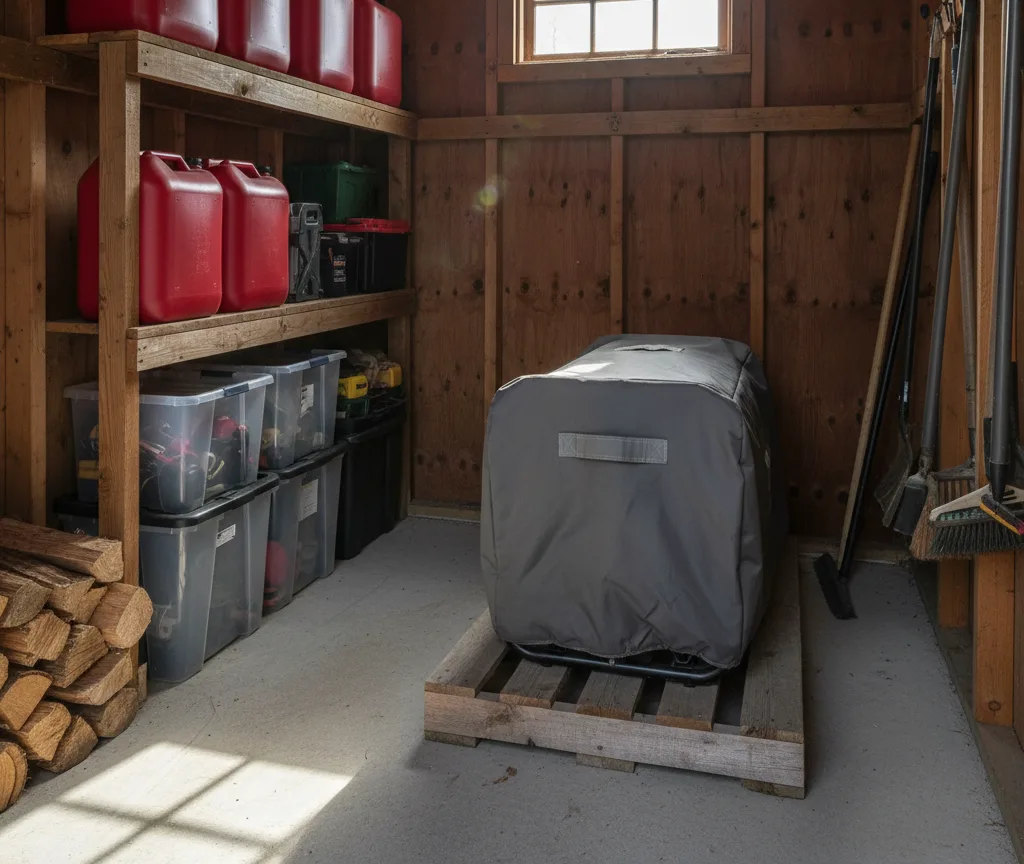
Gasoline is the part of this equation people get wrong most often, because the container feels like the whole solution. It is only half of it. Gas cans belong in a UL- or DOT-approved container, not a generic plastic jug, and that container needs to sit well away from anything that sparks or ignites: a furnace, water heater, dryer, electrical panel, or a shelf near an outlet strip all count. Most fire codes and manufacturer guidance point to storing gasoline outside the living space entirely; a detached shed is ideal, and if a garage is the only option, the cans need to be as far from the house-side wall and any gas appliance as the space allows.
Temperature matters here too. Gasoline expands as it warms, and a sealed can baking in direct summer sun builds pressure that a quality approved container is designed to vent safely, but a cheap or damaged one may not be. Keep cans out of direct sun and off a hot concrete floor in summer, and never store them in a vehicle trunk, where daytime heat routinely runs far higher than ambient air temperature.
Ventilating the Space Where Fuel Is Stored
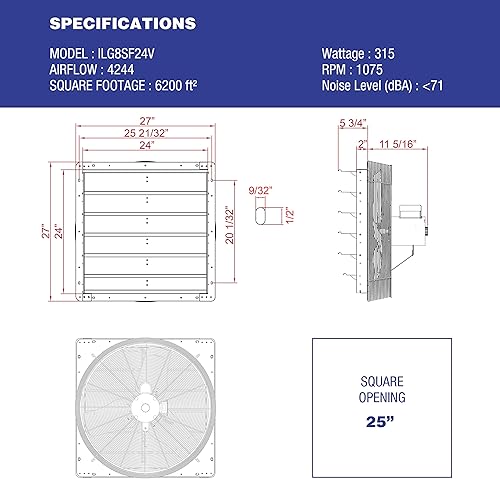
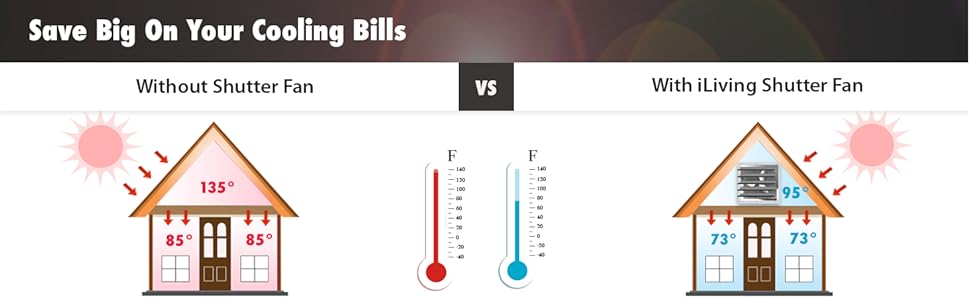
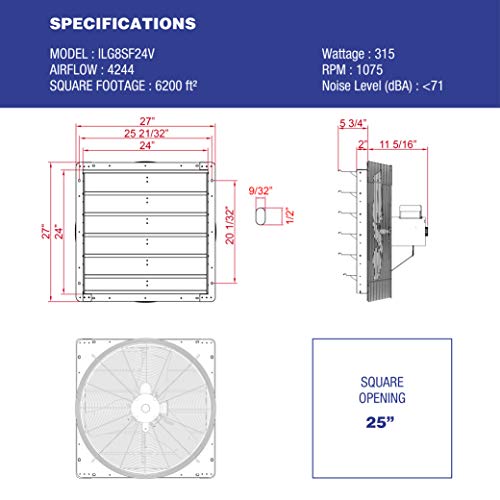
Gasoline vapor is heavier than air and settles low, which is part of why a sealed, unventilated shed or garage corner is worse than one with some passive airflow. A shed with a louvered vent or a small wall-mounted exhaust fan clears lingering vapor instead of letting it pool near the floor, and it is a cheap upgrade for anyone storing more than a can or two through a full season. This is also where the “generator shed ventilation” question people search for actually applies: it is less about the generator itself while it is off, and mostly about not letting fuel vapor from cans or a not-quite-empty tank accumulate in a closed space.

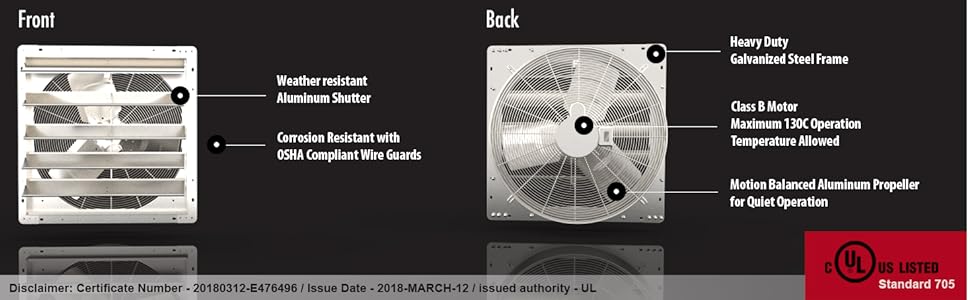
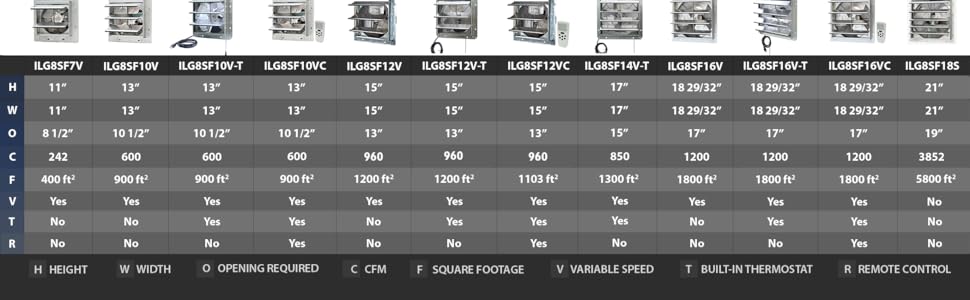
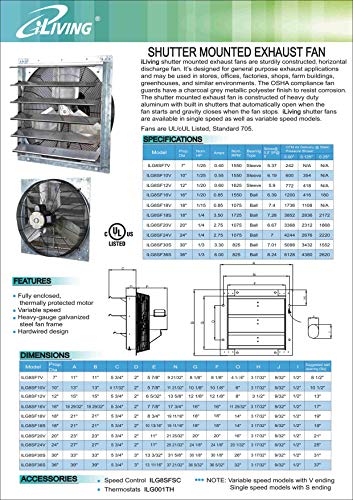
iLiving 24" Wall Mounted Exhaust Fan - 4244 CFM Variable Speed Ventilation with Automatic Shutters for Attic, Garage, and Shed










The Stabilizer-and-Rotation Schedule That Keeps Fuel Usable
Stored gasoline does not sit still chemically. Untreated gas starts breaking down within a month or two, forming gum and varnish deposits that clog carburetors and fuel lines, and that degradation is a major reason a generator that ran fine last season refuses to start this season. A fuel stabilizer added at the time of fill slows this breakdown significantly, stretching usable storage life from a few weeks to roughly six months to a year depending on the product and the can’s seal quality.
The workable routine is simple: treat gasoline with stabilizer as soon as you buy it for storage, mark the can with the fill date, and rotate it into a vehicle or lawn equipment before it passes the stabilizer’s rated window, replacing it with a freshly treated can. This keeps every gallon in the shed or garage within its usable life instead of accumulating cans that quietly go stale in the back corner. The same rotation habit applies to the fuel sitting in the generator’s own tank if it is stored with any gas in it rather than run dry; our fuel stabilizer guide covers dosing and which products hold up longest in a sealed can versus an engine tank.
Putting the Layout Together
A layout that actually holds up looks like this: the generator itself sits under a breathable storage cover, off the floor on a pallet or mat, near the door it will be wheeled out of before its next run. The gas cans sit on a shelf on the opposite side of the space, away from any appliance with a pilot light or motor, in approved containers, dated and rotated on a stabilizer schedule. If the space has any airflow at all (a vent, a cracked window, a small fan), vapor from both the cans and any residual fuel in the generator’s tank has somewhere to go instead of pooling. None of this requires a dedicated building; it requires putting the two things in the right relative positions and checking on the fuel a few times a year, which is the part almost everyone skips until a generator that should have started does not. For more on keeping the unit itself in shape between those checks, see our generator covers roundup for models sized to specific unit footprints.
Frequently Asked Questions
Can you store a generator in the garage?
Yes, storing a generator that is off in a garage is fine. The rule that matters is never running it there, even with the door open, since carbon monoxide can build to dangerous levels in minutes in an attached space.
How do you store gasoline safely at home?
Use a UL- or DOT-approved gas can, keep it away from any ignition source like a furnace, water heater, or electrical panel, store it out of direct sun and away from hot concrete, and add a fuel stabilizer with the fill date marked so it gets rotated before it goes stale.
Is a generator cover or a tarp better for storage?
A breathable storage cover is better. A tarp cinched tight traps moisture and blocks airflow against the housing, which encourages rust and corrosion, while a purpose-built cover keeps rain and dust out while still letting the unit breathe.
Does a generator shed need ventilation?
Yes, if fuel cans or a generator with any gas left in its tank are stored there. Gasoline vapor is heavier than air and settles low, so a vent, louver, or small exhaust fan keeps vapor from accumulating in an enclosed space.
How long does stored gasoline stay usable?
Untreated gasoline starts degrading within a month or two. With a fuel stabilizer added at fill time, most gasoline stays usable for roughly six months to a year, which is why a mark-the-date-and-rotate routine matters more than the container itself.