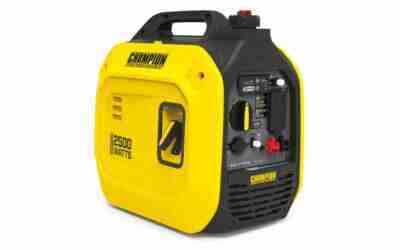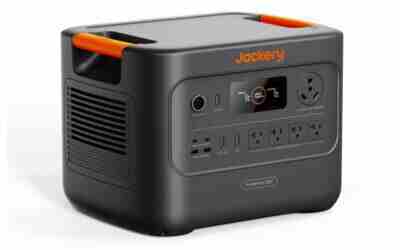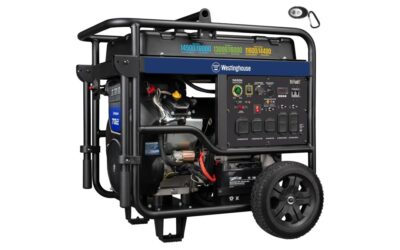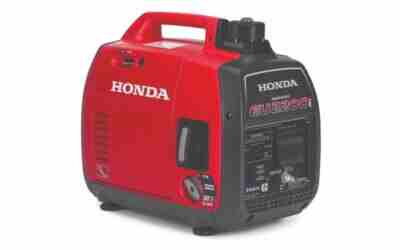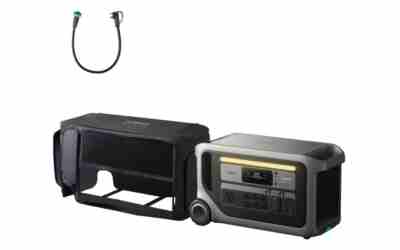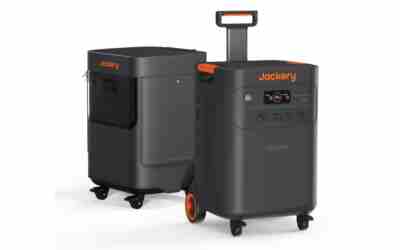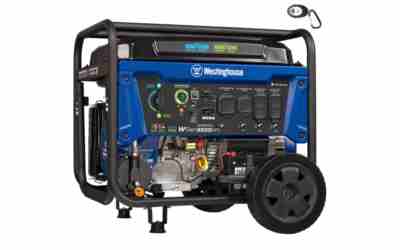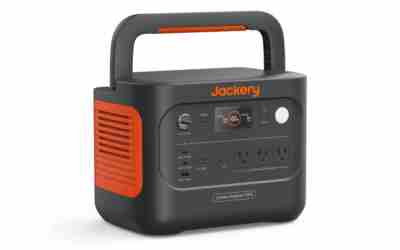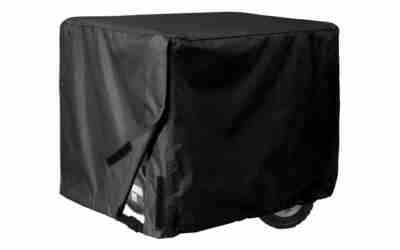

Our editorial team weighed Honda's published specifications and how it stacks up against similar products in the generators category. What stands out: Exceptionally Quiet, Fuel-Saving Eco Mode, and Smartphone App Control. Where it falls short: Premium Price Point and Manual Recoil Start. That puts it at 8.7/10 on our WG Score – an excellent, well-rounded option.
 Reviewed byEthan
A running generator at 70 decibels sounds twice as loud to your neighbors as one at 60 decibels, even though the number only went up by 10. That is the part most owners never learn, and it explains why a $30 foam pad does almost nothing while moving the unit ten more feet does. Making a generator quieter at home is mostly about physics you can use for free, placement and distance, before it becomes about anything you build or buy. This guide walks through both, plus the airflow and carbon monoxide rules that make most homemade quiet boxes dangerous if you skip them.
Why Distance Beats Almost Every Add-On
Sound pressure follows the inverse square law: doubling the distance from a generator cuts perceived loudness by roughly 6 decibels, which is a bigger drop than most acoustic blankets or foam panels achieve on their own. A generator rated at 68 dB at 23 feet, the standard test distance manufacturers use, is noticeably louder measured from your patio 10 feet away than it is from a spot 25 or 30 feet out. Before building anything, walk your property and find the farthest safe, code-compliant spot the generator’s cord length allows. That single move often solves more of the complaint than any enclosure will.
Distance also compounds with a barrier. A solid fence, a low garden wall, or even a parked car between the generator and the listener blocks a direct sound path, which matters more than most people expect, since sound that has to bend around an obstacle loses energy doing it. Combine distance with one solid barrier and you have already beaten most commercial “quiet” claims without spending anything.
Where to Place a Generator for the Quietest Result
Point the exhaust and the muffler side away from the house and away from neighboring windows, not toward them. Most portable generators are noticeably louder from the exhaust side than from the control panel side, so a simple 90-degree turn can matter as much as several extra feet of distance. Set the unit on a flat, hard surface rather than gravel or mulch, since a stable base reduces the low-frequency rattle that carries the farthest and annoys neighbors the most.
Never place a generator inside a garage, shed, breezeway, or under a carport with walls on more than one side, even with the door open. Enclosed spaces reflect sound back out louder than open air, and far more importantly, they trap exhaust and create a real carbon monoxide risk. Every placement decision has to satisfy the CO rule before it satisfies the noise rule; a quieter setup that is not ventilated is not a workable setup at all. If you are shopping for a model with lower noise output built in rather than fighting an existing loud one, our roundup of quiet portable generators compares rated dB levels side by side.
The Airflow and CO Rules Behind Every Safe DIY Enclosure
A generator needs a continuous supply of fresh air for combustion and cooling, and its engine produces carbon monoxide at a rate that is genuinely lethal in an enclosed or poorly vented space within minutes, not hours. Any baffle box, sound barrier, or DIY enclosure has to leave large, unobstructed openings on at least two sides, ideally opposite each other, so air moves through rather than pooling around the engine. A box built airtight to maximize sound blocking is a box that can kill the same generator’s cooling and, far worse, concentrate CO around anyone standing nearby.
As a rule of thumb, treat solid coverage on more than half of the enclosure’s total surface area as too much, and always run the generator at least 20 feet from any door, window, or vent, enclosure or not. A muffled or boxed generator running closer than that can still push CO into the house even though it sounds quieter from inside. Noise reduction and CO safety are not the same project, and an enclosure that ignores the second one is not a quieter generator, it is a more dangerous one.
Baffle Boxes and Sound Deflectors That Actually Work
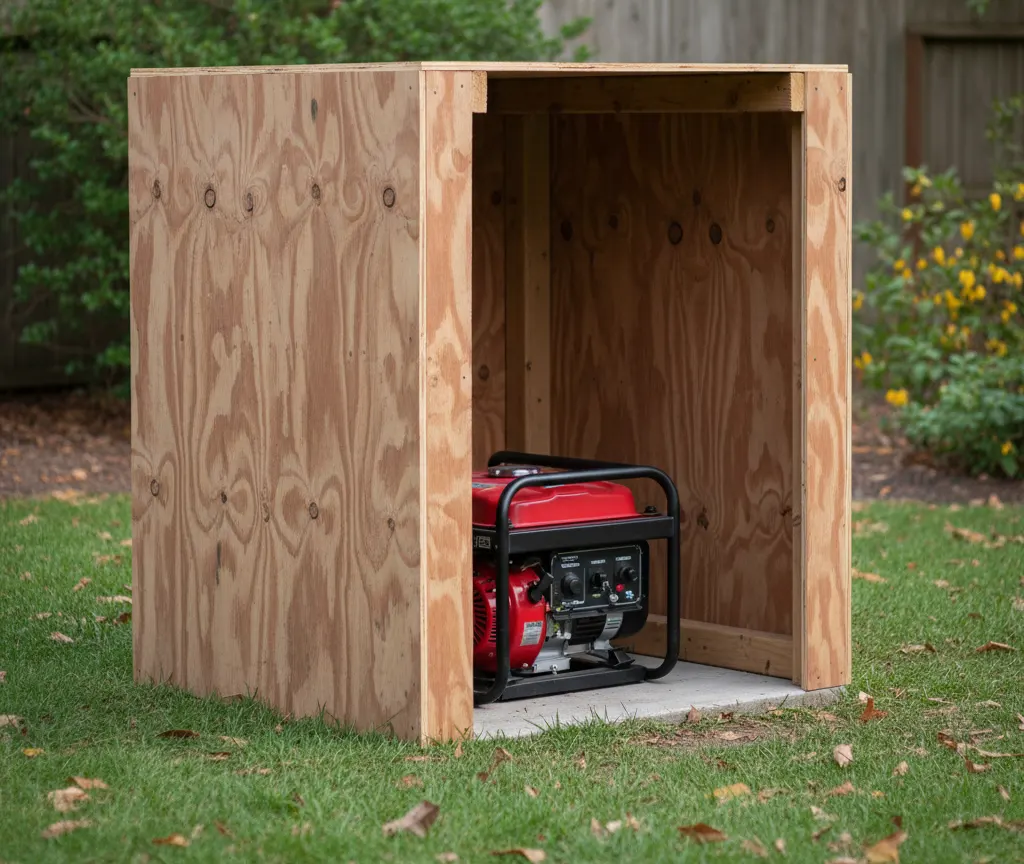
A baffle box is not a sealed cabinet; it is a partial, vented enclosure that redirects sound waves rather than trapping them. The most effective home builds use three sides, open front and back or open top, lined with a dense mass material like mass-loaded vinyl or a double layer of exterior plywood rather than thin foam, since foam mainly absorbs high-frequency hiss and does almost nothing to the low rumble that a generator’s engine actually produces. Standing the panels a few inches off the generator’s body, rather than pressing them against it, also helps, since an air gap between the source and the barrier improves sound blocking more than direct contact does.
A simpler version that still helps: a U-shaped wall of dense material, open on the side facing away from the house, with the generator sitting a foot or two inside it. This blocks the direct sound path toward your home without sealing off the intake or exhaust sides. If a full baffle box feels like more project than you want to take on, our comparison of generator quiet boxes covers ready-made, ventilated enclosures built for exactly this use.
The Exhaust Trick: Redirecting Without Restricting
The exhaust port is usually the single loudest point on a portable generator, louder than the engine block or the cooling fan. Some owners run a length of flexible, heat-rated exhaust hose from the muffler outlet to direct noise and fumes further away and downward, similar in principle to a car’s tailpipe extension. This only works safely with hose rated for engine exhaust temperatures and only when the far end stays open and unobstructed; never cap, pinch, or narrow an exhaust line to quiet it further, since restricting exhaust flow raises backpressure, which can damage the engine and push more CO back toward the unit instead of away from it.
A simpler and safer version of the same idea is just aiming the stock muffler outlet toward open yard, away from your own house and the neighbor’s, using the placement guidance from earlier. For most homeowners that costs nothing and captures most of the benefit an exhaust hose would add.
When the Real Fix Is a Quieter Generator, Not a Bigger Box
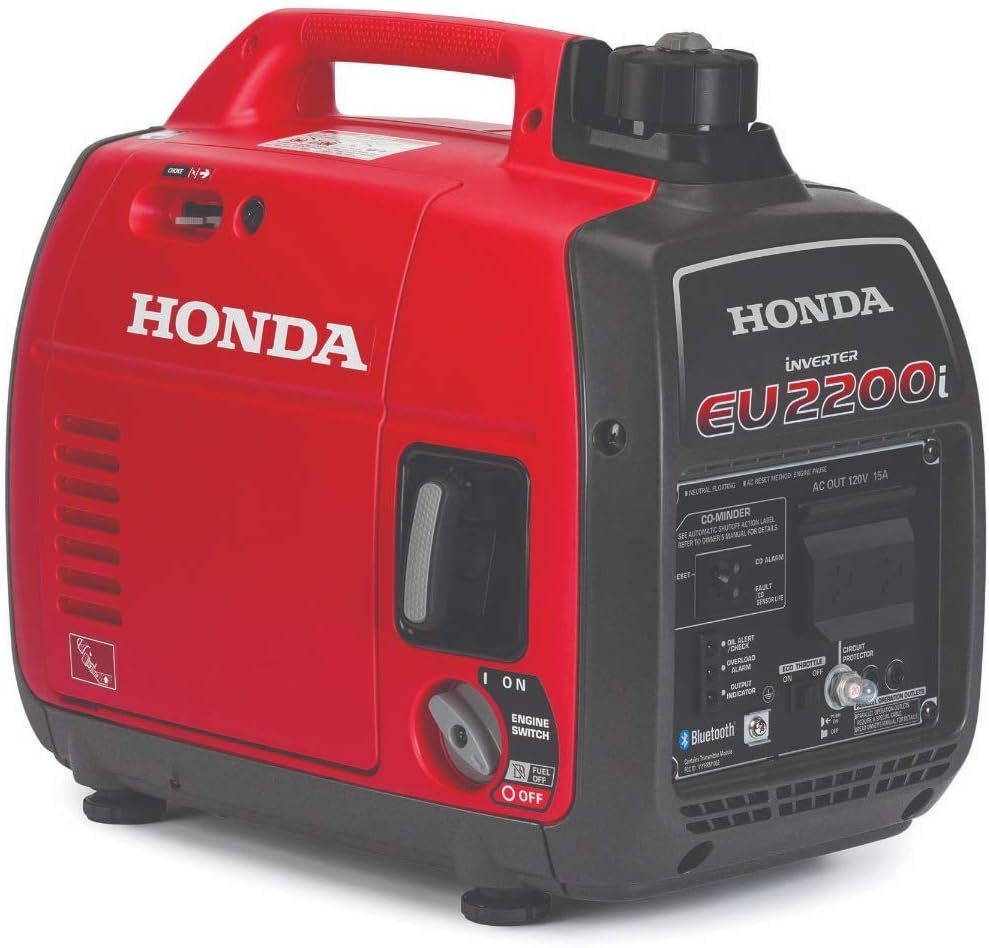
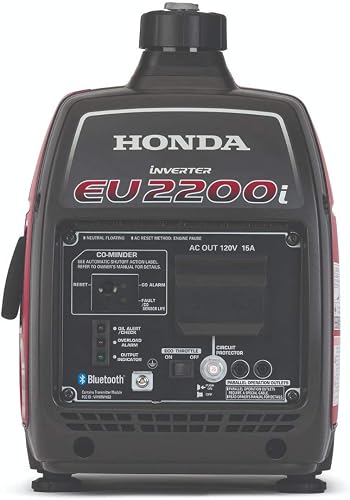
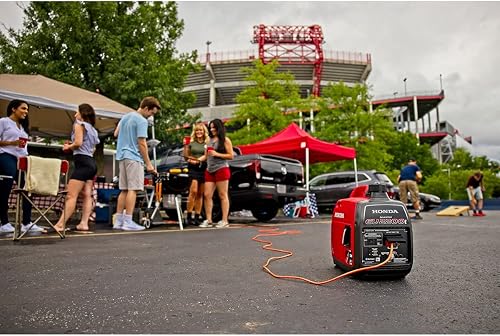
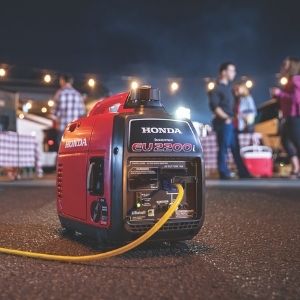
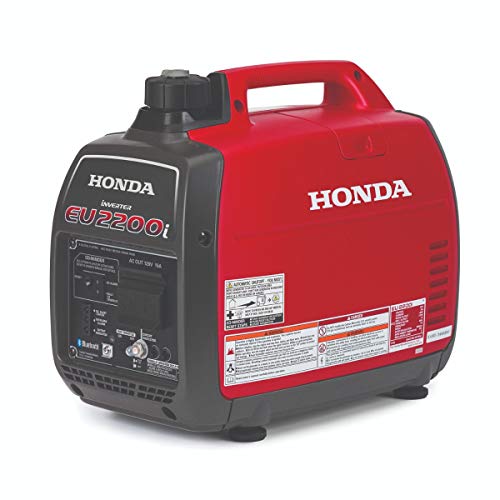
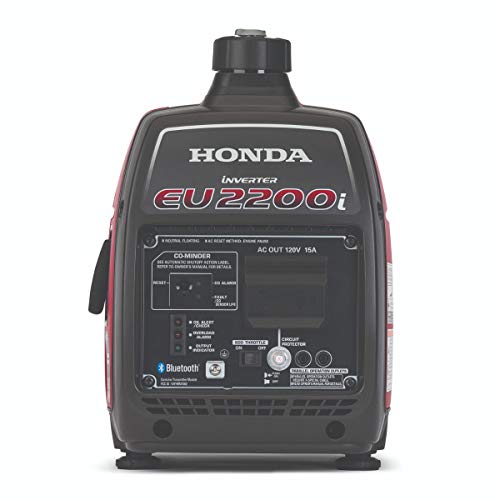
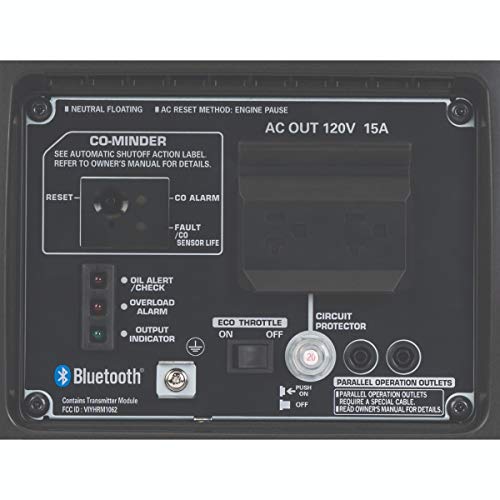
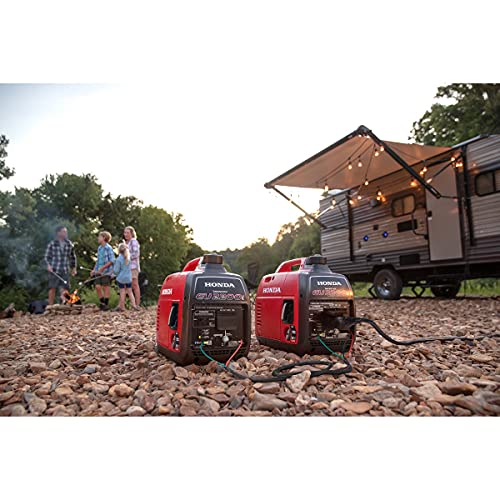
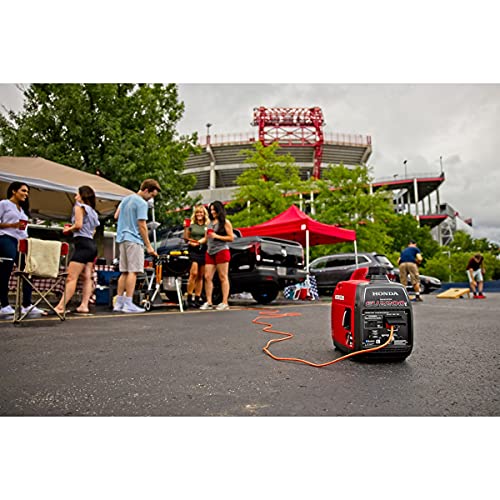
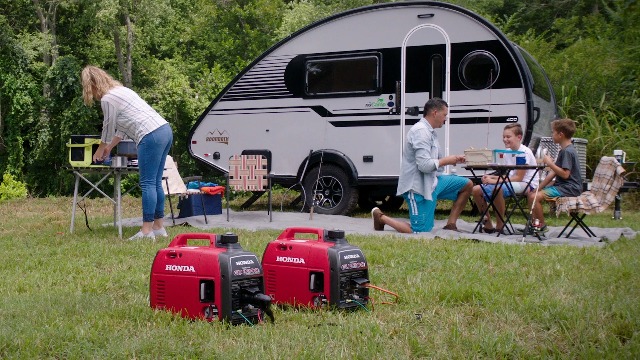
If you are still building a project around an older, conventional generator, it is worth comparing that effort against simply switching to an inverter model. Inverter generators run the engine at a variable speed matched to the actual load instead of a fixed high RPM, which is the main reason they run 20 to 30 percent quieter than a comparable conventional unit even with no enclosure at all. The Honda EU2200i is one of the best-known examples of this design, and it is often the unit people land on after discovering how much effort a baffle box takes to build correctly.

Honda EU2200iTAN 2200W Super Quiet Portable Inverter Generator with CO-Minder - Ideal for Camping, RV, Home Backup







Frequently Asked Questions
How much quieter does moving a generator further away actually make it?
Doubling the distance from a generator lowers perceived loudness by roughly 6 decibels, since sound follows the inverse square law. Moving a unit from 10 feet to 25 or 30 feet away is often a bigger noise reduction than most foam panels or acoustic blankets provide on their own.
Is it safe to build a fully enclosed box around a generator to block noise?
No. A sealed enclosure traps both engine heat and carbon monoxide, creating a serious safety hazard. A safe DIY baffle box leaves large open sides for continuous airflow and only partially blocks the direct sound path rather than fully surrounding the unit.
Does foam insulation quiet a generator effectively?
Thin foam mainly absorbs high-frequency sound and does little against the low-frequency rumble a generator’s engine produces. Dense materials like mass-loaded vinyl or plywood, positioned with an air gap rather than pressed against the generator, block low-frequency noise far more effectively.
Can I run an exhaust hose to redirect generator noise further away?
Only with hose rated for engine exhaust temperatures, and only if the far end stays fully open. Never cap or narrow an exhaust line, since restricting exhaust flow raises engine backpressure and can push carbon monoxide back toward the unit instead of away from it.
Are inverter generators actually quieter than conventional ones?
Yes. Inverter generators vary engine speed to match the load instead of running at a fixed high RPM, which typically makes them 20 to 30 percent quieter than a similarly sized conventional generator even with no added sound barrier.