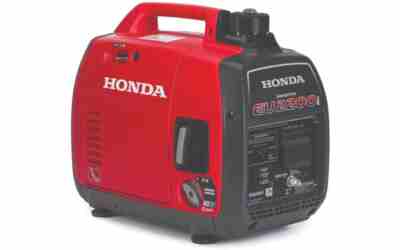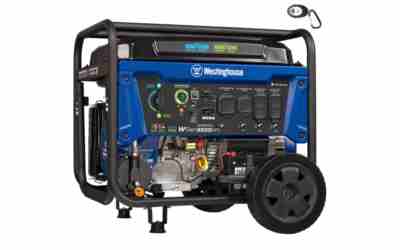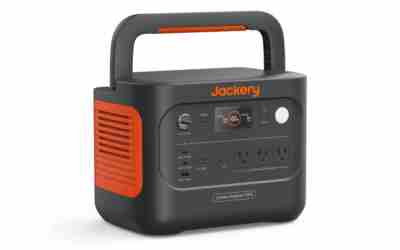

Our editorial team weighed Jackery's published specifications and how it stacks up against similar products in the generators category. What stands out: 7200W Whole-Home Output, Superior LiFePO4 Longevity, and Seamless 0ms UPS. Where it falls short: Not Parallel-Compatible With E2000/E1000 Plus and Older Panels Need Adapter. That puts it at 8.3/10 on our WG Score – an excellent, well-rounded option.
 Reviewed byEthan
Your solar generator charged fast last spring and now it crawls, even on what looks like a clear day. Before you assume the panel itself has failed, know that most “my solar panel stopped charging” complaints trace back to one of three things that have nothing to do with a dead cell: a layer of dust or pollen sitting on the glass, one corner of the panel catching shade for even part of the day, or a tilt angle that no longer points at the sun the way it did when you first set it up. This guide walks through a 10-minute test sequence that separates those three causes from an actual panel or charge-controller failure, so you know what you are dealing with before assuming the worst.
Step 1: Check for Partial Shade on Even One Cell
Solar panels are wired in strings of cells, and a string only outputs as much as its weakest cell allows. A single leaf, a chimney shadow that creeps across one corner at 2pm, or a nearby branch swaying in the wind can drop a panel’s output by far more than the shaded area alone would suggest, sometimes cutting total charging in half from shade covering a tenth of the surface. This is the most overlooked cause because the panel looks almost entirely lit up, and an owner assumes “almost full sun” should mean “almost full output.”
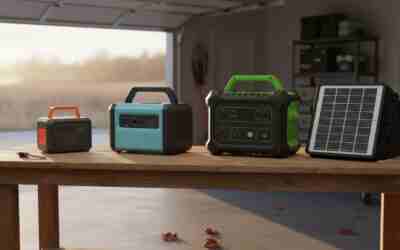
Watch the panel across a full charging session, not just at the moment you set it up. Shadows move, and a spot that was clear at 10am can be half-covered by 1pm as the sun crosses a roofline, a fence, or a tree you did not think was close enough to matter. If you are running a folding or ground-mounted panel with our portable solar panels for power stations roundup, repositioning it every couple of hours to stay clear of moving shade is often the single biggest free improvement available.
Step 2: Clean the Panel the Right Way
Dust, pollen, bird droppings, and the thin haze that settles on glass left outdoors for weeks all scatter and absorb sunlight before it reaches the cells underneath. Research on soiling losses generally puts the hit at 3 to 7 percent for light dust in most climates, but a panel that has sat through a pollen season or a dry spell without rain can lose 15 to 25 percent of its output to buildup that is barely visible from a few feet away. If charging has slowed gradually over weeks rather than dropping suddenly, soiling is the most likely single cause.
Clean the panel with plain water and a soft microfiber cloth or a sponge, working in the early morning or evening rather than under direct midday sun, since cleaning a hot panel with cool water can stress the glass. Skip glass cleaners, degreasers, or anything with ammonia, since some panel coatings react poorly to them over repeated use, and never use an abrasive pad that can scratch the anti-reflective coating. Rinse first to lift loose grit before wiping, so you are not dragging sand across the surface.
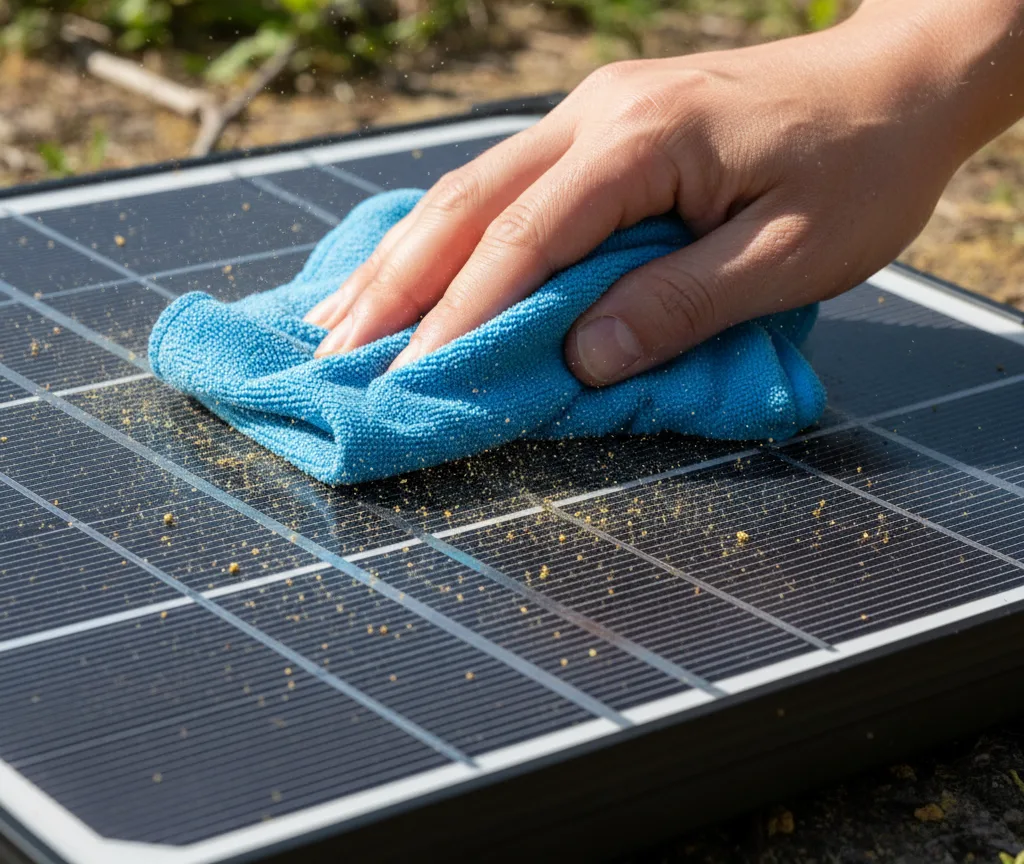
Bird droppings and stuck-on debris deserve extra attention rather than a quick wipe, since they block light completely over that spot for as long as they sit there, unlike a general haze that dims the whole panel evenly. Check the back of the panel and its connector too; a loose or corroded MC4 connector can mimic a charging problem that has nothing to do with the glass at all.
Step 3: Get the Tilt and Sun Angle Right
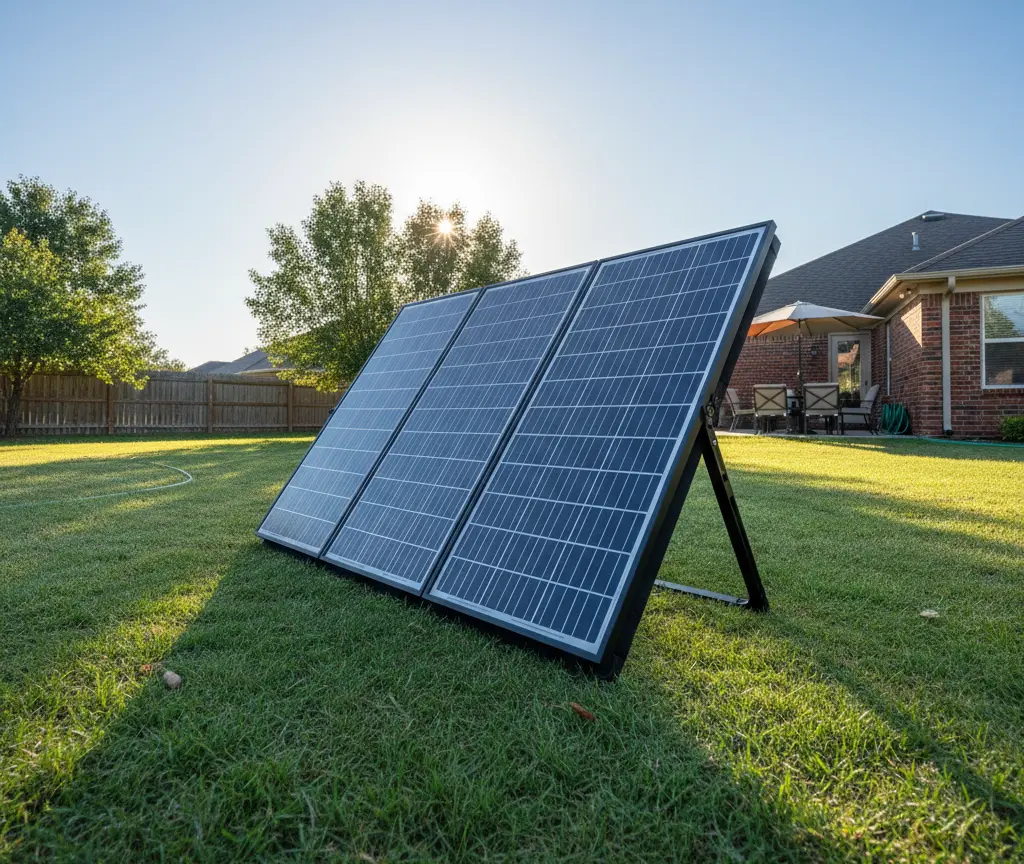
A panel laid flat on the ground catches less direct sun than one tilted to roughly match your latitude, and the difference is not small, often 15 to 30 percent depending on season and location. Most portable and foldable panels include built-in kickstands or adjustable legs for exactly this reason, and skipping them because flat is easier to set up is one of the quietest ways to lose charging speed without anything being wrong with the panel.
As a starting rule, tilt the panel to roughly match your latitude in spring and fall, flatten it a bit in summer when the sun sits higher overhead, and steepen it in winter when the sun stays low. Face it toward true south in the northern hemisphere, or true north below the equator, and check with a compass app rather than guessing, since a panel aimed 30 degrees off true south can lose a meaningful chunk of its peak output even with a perfect tilt angle.
The 10-Minute Test That Separates the Three Causes
Rather than guessing which of the three is dragging your charging speed down, test them in order and watch the wattage reading on your solar generator’s screen after each change, ideally around solar noon on a clear day for a fair comparison.
- Note the current wattage reading with the panel exactly as it sits right now.
- Move the panel to a spot with zero shade anywhere on its surface, even if that means relocating it entirely for the test. Note the new reading.
- Clean the panel with water and a soft cloth as described above, then place it back in that same shade-free spot. Note the reading again.
- Finally, adjust the tilt to roughly match your latitude and aim it at true south or true north. Note the final reading.
Whichever step produced the biggest jump tells you which cause was doing the most damage, and most owners find the combined effect of all three brings output back close to the panel’s rated wattage under clear midday sun. If the reading barely moves after all three steps and stays well below the panel’s rated wattage, that points away from these everyday causes and toward the panel or its controller.
When It Is Actually a Failing Panel or Charge Controller
A panel that still underperforms with zero shade, a freshly cleaned surface, and a correct tilt angle on a clear day is showing a real fault, not a maintenance issue. Common culprits at that point are a failing bypass diode inside the panel’s junction box, a degraded connector or cable that is dropping voltage under load, or a solar charge controller inside the generator itself that has stopped tracking the panel’s peak power point correctly. Cracked glass, delaminated cells visible as discoloration, or a panel that produces roughly half its rated output no matter what you try are signs the panel itself, rather than anything you can clean or reposition, has reached the end of its useful life.
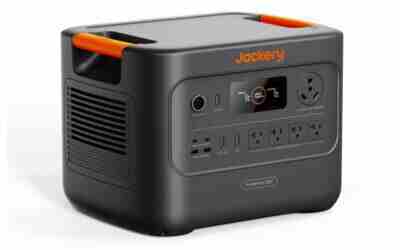
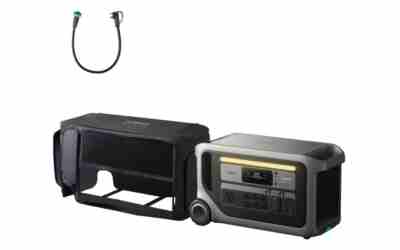
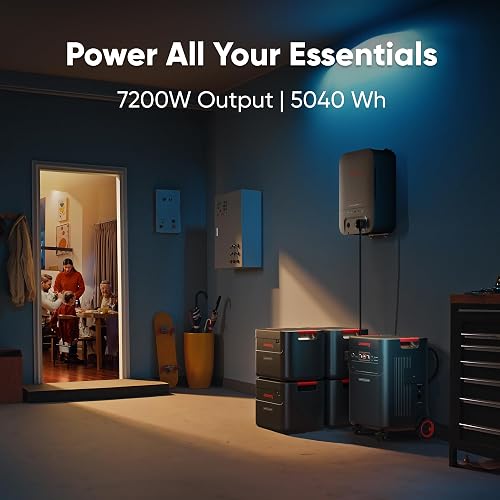
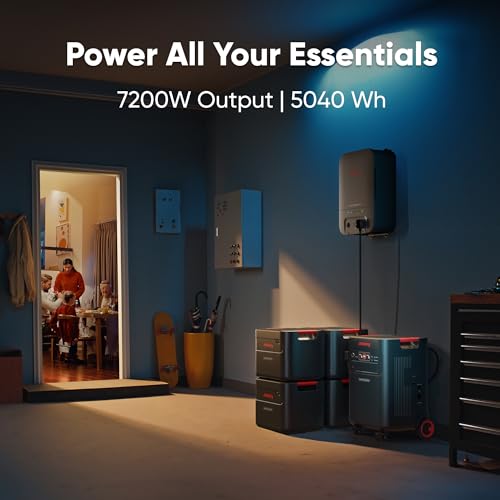
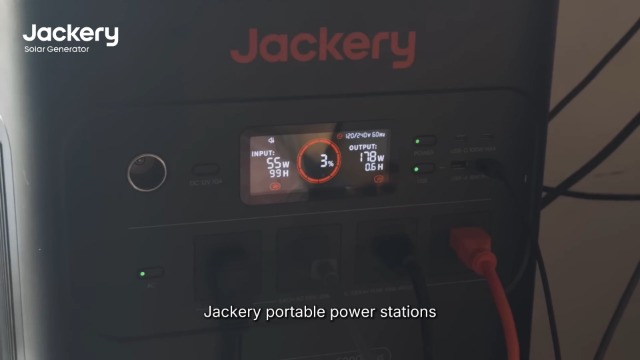
Before replacing just the panel, confirm the issue is not the generator’s own solar input circuitry by trying a different panel on the same unit if you have access to one, or asking a friend to test your panel on their generator. If the generator’s solar charging remains slow across multiple panels, look at solar generator units with a modern MPPT controller and a higher rated solar input, such as the Jackery Solar Generator 5000 Plus, which pairs a larger battery with efficient solar charging built in from the start. For a broader comparison of panel-and-station combinations built for reliable charging, see our roundup of solar panel power stations.
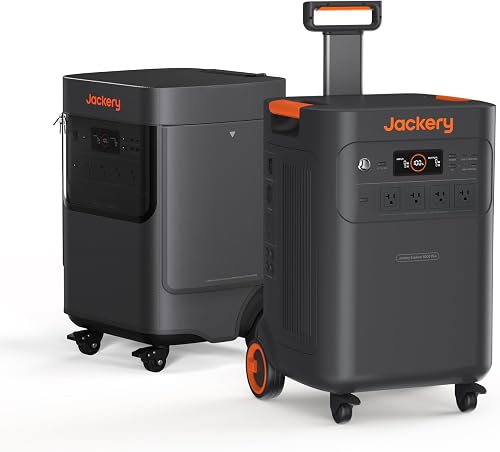
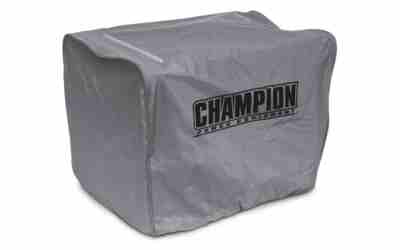
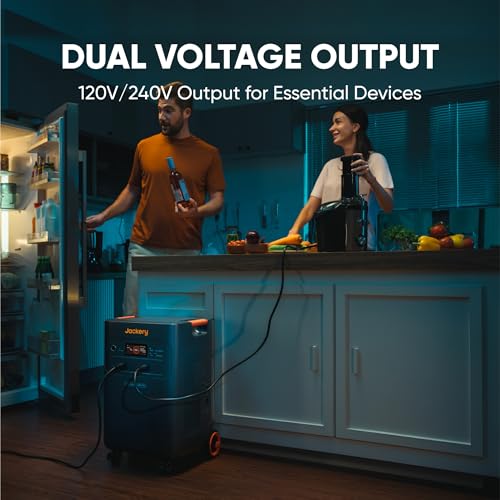
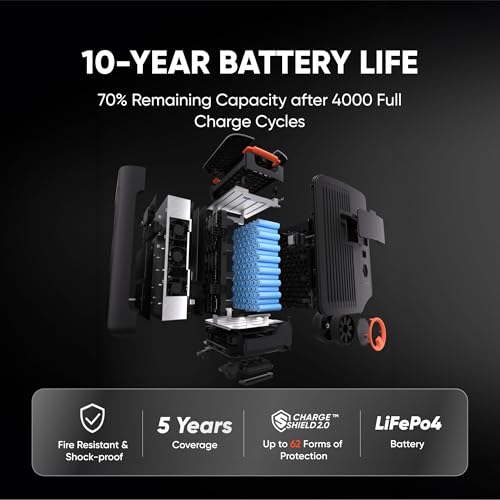
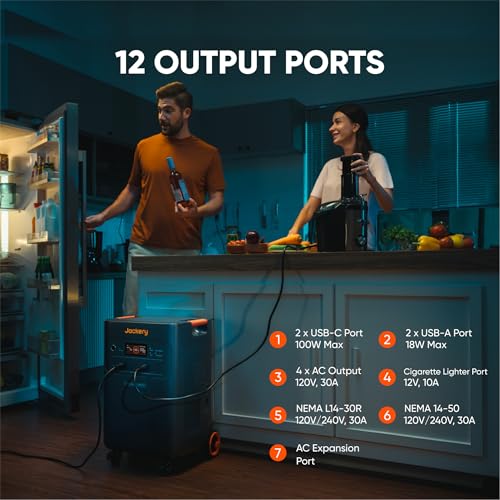
Jackery Solar Generator 5000 Plus w/ Cover: 5040Wh LiFePO4, 7200W 120V/240V Output, Expandable to 60kWh Home Backup












Frequently Asked Questions
Why did my portable solar panel suddenly stop charging at full speed?
The most common causes, in order of likelihood, are a buildup of dust or pollen on the glass, partial shade falling on even one cell for part of the day, and a tilt angle that no longer points toward the sun as directly as it once did. Work through cleaning, shade, and tilt in that order before assuming the panel itself has failed.
How much output does dust really cost a solar panel?
Light dust typically costs 3 to 7 percent of output, but a panel left uncleaned through a pollen season or a long dry spell can lose 15 to 25 percent, often with a haze that is barely visible from a few feet away. Gradual, slow charging decline over weeks is the usual sign of soiling rather than a sudden fault.
What is the best angle to tilt a solar panel for charging?
As a starting rule, tilt the panel to roughly match your latitude, flattening it slightly in summer and steepening it in winter, while facing it toward true south in the northern hemisphere or true north below the equator. A panel left flat on the ground can lose 15 to 30 percent of its output compared to one propped up at the right angle.
How do I know if the problem is my panel and not my solar generator?
After ruling out shade, dust, and tilt with the 10-minute test, try a different panel on the same generator, or your panel on a different generator, if you have access to either. If the slow charging follows the panel across generators, the panel is the problem; if it follows the generator across panels, the unit’s solar charge controller is more likely at fault.
Should I use glass cleaner to clean my solar panel?
No. Plain water and a soft microfiber cloth or sponge are enough for routine cleaning. Glass cleaners, degreasers, and ammonia-based products can damage some panel coatings over repeated use, and abrasive pads can scratch the anti-reflective surface, so both are best avoided.