Do I need a generator? Yes, if you lose power for a day or longer or depend on a sump pump, well pump or medical device. If outages are rare and last only a few hours, a cooler, flashlights and a charged power bank usually cover it.
How outage length and frequency change the answer
Start with your own history. Write down the date and length of each outage for a year, and ask your utility for its reliability figures for your circuit. Neighbors on the same feeder are a good check, since overhead lines in tree-heavy areas fail more often than buried ones.
| Outage pattern | Verdict |
|---|---|
| A few hours, once or twice a year | No generator needed; use a cooler, flashlights and a power bank |
| A day or two, every year or two | Portable or inverter generator, or a large power station |
| Several days, repeated (ice storms, hurricanes) | Portable with a transfer switch, or standby |
Loads that make a generator close to essential
Ask what fails if the power is off for 24 hours. These are the loads that usually tip the answer to yes:
- Medical devices: Talk to your provider and your utility about a backup plan. Many utilities keep a medical-need list. A generator should be one part of that plan, not the whole plan.
- Sump pump: It is needed most during storms, which is when outages happen.
- Well pump: No power means no running water or flushing.
- Refrigerator and freezer: The FDA says a closed fridge keeps food safe about 4 hours, a full freezer about 48 hours, and a half-full freezer about 24 hours.
- Heat in cold climates: Gas and oil furnaces still need electricity for the blower and igniter.
What those loads need in watts
Motors draw a surge when they start, so you need both numbers. The table lists typical values for common loads. Check the nameplate on your own equipment, because they differ by model.
| Load | Running watts | Starting watts |
|---|---|---|
| Refrigerator | 700 | 2,200 |
| Sump pump (1/3 hp) | 800 | 1,300 |
| Furnace blower (1/2 hp) | 875 | 2,350 |
| Well pump (1/2 hp) | 1,000 | 2,100 |
| Window AC (10,000 BTU) | 1,200 | 3,600 |
Worked example: a fridge, sump pump, furnace blower and 200 W of lights and modem total 700 + 800 + 875 + 200 = 2,575 running watts. Motors rarely start at the same instant, so add only the largest surge above running, which is the fridge at 2,200 − 700 = 1,500. The peak is 2,575 + 1,500 = 4,075, so you need a generator rated for about 4,100 starting watts.
Portable, inverter, standby or nothing: what fits which need
| Option | Best for | Main limit |
|---|---|---|
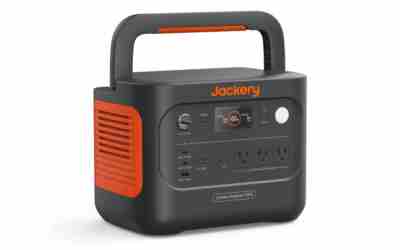
| Power station | Router, laptop, phones, lights; silent and indoor-safe | Fixed watt-hour capacity, then it needs recharging |
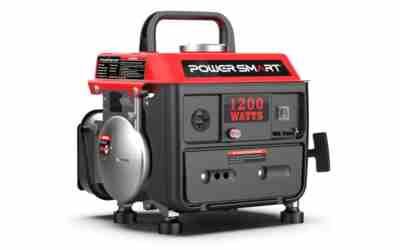
| Inverter generator | Fridge, sump pump and lights, quietly | Fewer watts per dollar than a conventional unit |
| Conventional portable | Furnace blower, well pump, larger totals | Loud, with manual refueling |
| Standby | Automatic whole-house or selected-circuit power | Permits, professional installation, fuel line |
If your list looks like the worked example, compare portable generators that can run a refrigerator on two criteria: starting watts above your peak, and run time at half load so you refuel less often.
When a battery or solar setup is enough
If your needs are a laptop, router, phone charging and lights, a power station does the job without fuel or fumes. This is also the realistic option for renters and apartment dwellers. Remote work is a good case: divide capacity by load. A 1,000 Wh unit running 100 W of gear gives 10 hours, or about 8 hours after allowing roughly 20% for conversion losses.
The limit is the fridge, sump pump and furnace, which drain a battery quickly unless it is large and paired with panels. For longer outages, look at solar generators for home backup, which can recharge during the day.
What a generator costs, including the hidden items
Portable units typically run from several hundred dollars to about $2,000. Standby installs commonly reach five figures once the electrical work, gas line, pad and permit are included, so get written quotes.
To compare, divide total cost by the outage hours you expect over ten years. With sample inputs of 24 outage hours a year (240 hours), a $12,000 standby install works out to $50 per outage hour and a $2,000 portable setup to about $8, before fuel and maintenance.
- Transfer switch or interlock: a licensed electrician installs it, and it is what lets a portable unit power hardwired circuits.
- Fuel: gasoline goes stale, so rotate it and use a stabilizer. Portables need manual refueling, while standby runs on natural gas or propane.
- Maintenance: change oil and run the unit under load on the schedule in the manual.
For whole-house needs, review home standby generators by kW rating against your essential circuits and whether an automatic transfer switch is included.
Safety rules if you buy a generator
- Run it outdoors only, never in a garage, basement, shed or enclosed space. Follow the placement distance in the manual or on the label, and point the exhaust away from the house.
- Opening a door or window does not stop carbon monoxide from building up. Install battery-powered CO alarms.
- Never backfeed through a wall outlet or a male-to-male cord. Use a transfer switch or interlock, installed to local code.
- Let the engine cool before refueling, and keep fuel away from ignition sources.
Our Top Picks
Ready to shop? These are the top-rated options from our related roundup, Best 3500 Watt Inverter Generators For Home of 2026.

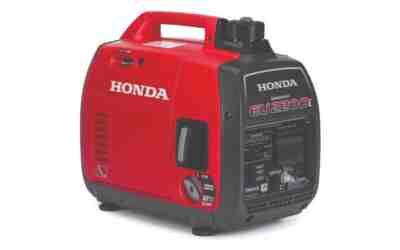
Honda EU2200iTAN 2200W Super Quiet Portable Inverter Generator with CO-Minder - Ideal for Camping, RV, Home Backup

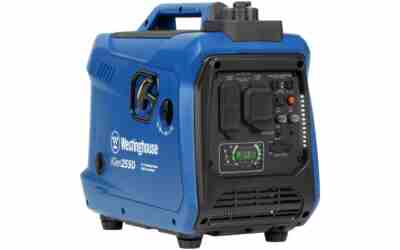
Westinghouse iGen4000DFc 4000 Peak Watt Dual Fuel Inverter Generator - Super Quiet RV Ready Remote Start CO Sensor

MaXpeedingrods 3500 Watt Portable Inverter Generator Gas Powered EPA Compliant
As an Amazon Associate we earn from qualifying purchases. Product prices and availability are accurate as of the date/time indicated.
Frequently Asked Questions
Can I plug my furnace into a portable generator?
Only if it has a plug. Most furnaces are hardwired, so they need a transfer switch or interlock installed by a licensed electrician. Never run a cord into a wall outlet to feed the house, because that creates a backfeed hazard.
Is a whole-house generator worth it for resale?
Rarely as an investment. A whole-home unit seldom recoups its full cost when you sell. Its value comes from frequent, long outages where automatic power protects your home, not from a higher sale price.
Do I need a generator if I rent or live in an apartment?
Usually not. Many leases and HOAs ban fuel generators, and balconies are unsafe places to run them. A power station covers phones, internet and lights without fumes, and you can charge it from a wall outlet beforehand.
Can I wait to buy a generator until a storm is forecast?
That is risky. Demand spikes before storms, and an untested unit can fail when you need it. Buy ahead, run it under load once, and store fuel safely.
{“@context”: “https://schema.org”, “@type”: “FAQPage”, “mainEntity”: [{“@type”: “Question”, “name”: “Can I plug my furnace into a portable generator?”, “acceptedAnswer”: {“@type”: “Answer”, “text”: “Only if it has a plug. Most furnaces are hardwired, so they need a transfer switch or interlock installed by a licensed electrician. Never run a cord into a wall outlet to feed the house, because that creates a backfeed hazard.”}}, {“@type”: “Question”, “name”: “Is a whole-house generator worth it for resale?”, “acceptedAnswer”: {“@type”: “Answer”, “text”: “Rarely as an investment. A whole-home unit seldom recoups its full cost when you sell. Its value comes from frequent, long outages where automatic power protects your home, not from a higher sale price.”}}, {“@type”: “Question”, “name”: “Do I need a generator if I rent or live in an apartment?”, “acceptedAnswer”: {“@type”: “Answer”, “text”: “Usually not. Many leases and HOAs ban fuel generators, and balconies are unsafe places to run them. A power station covers phones, internet and lights without fumes, and you can charge it from a wall outlet beforehand.”}}, {“@type”: “Question”, “name”: “Can I wait to buy a generator until a storm is forecast?”, “acceptedAnswer”: {“@type”: “Answer”, “text”: “That is risky. Demand spikes before storms, and an untested unit can fail when you need it. Buy ahead, run it under load once, and store fuel safely.”}}]}