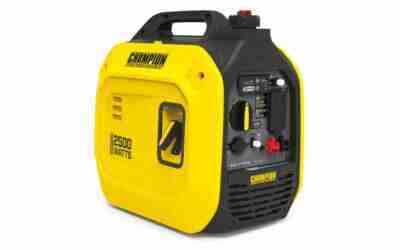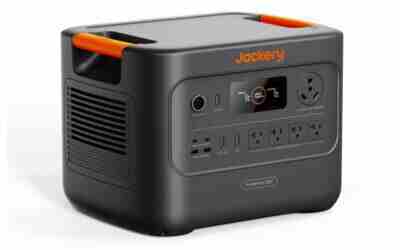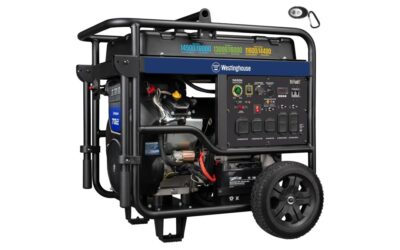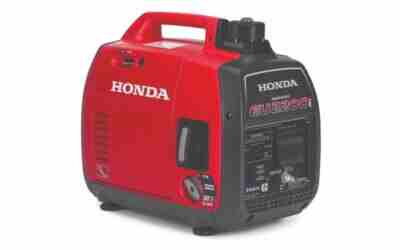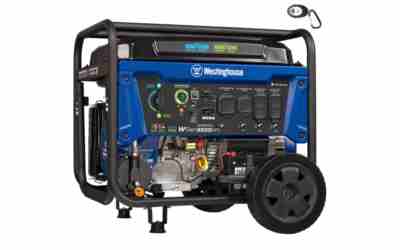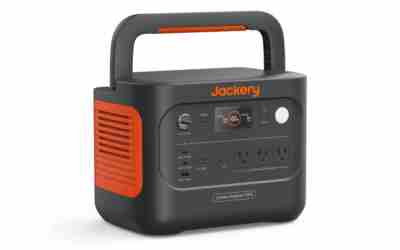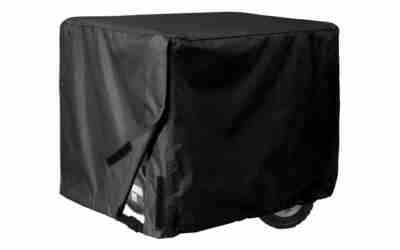

A 2,000-watt generator can run small electronics, lights, and a mini-fridge; a 3,000-watt generator adds a full-size refrigerator or a window AC unit; a 5,000-watt generator can typically cover a refrigerator, sump pump, furnace blower, and lighting together — the exact list depends on how many motor-driven (starting-watt) appliances you’re running at once, not just the running-watt total.
2,000 Watts: Small Loads and Electronics
A 2,000-watt generator comfortably covers phone and laptop charging, LED lighting, a TV, a small window fan, and either a mini-fridge or (not both at once) a microwave. It’s a common size for camping, tailgating, and light backup needs — see our best 1000 watt generators and best 1000-2000 watt generators roundups for this tier.
3,000 Watts: A Full-Size Fridge or a Window AC
At 3,000 running watts, you can run a full-size refrigerator (roughly 700W running / 2,000W starting) plus lighting and small electronics, or a single 10,000 BTU window AC unit (roughly 1,000W running / 2,200W starting) with some capacity left over. You generally can’t run both large appliances simultaneously at this size — that’s the point where you’d move up a tier.
4,000–5,000 Watts: The Common Home-Backup Sweet Spot
This range is where most households land for genuine emergency backup: a refrigerator, a sump pump, a furnace blower, and lighting/outlets together, with enough surge capacity to handle whichever of those motors kicks on first. See our best gas generators, 4000-7000 watts, for home backup picks for this tier, or our full best portable generators for home backup guide for the complete range of options.
Quick Reference: What a Given Wattage Can Typically Run
| Generator Size | Typical Combined Load |
|---|---|
| ~2,000W | Electronics, lights, small fan, mini-fridge OR microwave |
| ~3,000W | Full-size fridge OR one window AC, plus lighting |
| ~4,000W | Fridge + lighting + some small appliances, modest surge headroom |
| ~5,000W | Fridge + sump pump + furnace blower + lighting/outlets together |
| ~7,000W+ | The above plus a window AC, or a well pump replacing the sump pump |
Why “What Can It Run” Always Depends on Starting Watts
Two appliances with similar running-watt draw can need very different starting-watt capacity — a refrigerator’s compressor and a well pump’s motor both surge on startup, and that spike (not the steady running total) is usually what determines whether a given generator size can actually handle your combination of appliances. See our full running watts vs. starting watts guide for the exact calculation method and a fuller appliance reference table.
Frequently Asked Questions About Generator Wattage Charts
Can a 2000W generator run a refrigerator?
Usually yes on its own (roughly 700W running, 2,000W starting), but it leaves little to no headroom for anything else running at the same time.
What size generator do I need to run a window AC unit?
A 10,000 BTU window AC typically needs about 1,000W running and 2,200W starting — a 3,000W-class generator handles this comfortably alongside some lighting.
Is a bigger generator always better for home backup?
Not necessarily — bigger means more weight, more fuel burned per hour, and more upfront cost. Size to your actual essential-appliance list rather than buying the largest unit available “just in case.”
Why do two generators with the same running-watt rating sometimes handle different appliances?
Because their starting/surge-watt capacity can differ even at the same running-watt rating — always check both numbers, not just the running-watt figure used in marketing.
What’s the easiest way to check my specific appliance combination against a generator size?
Use our Generator Sizer tool to enter your exact appliances and get a real running/starting watt total instead of relying on a generic chart.