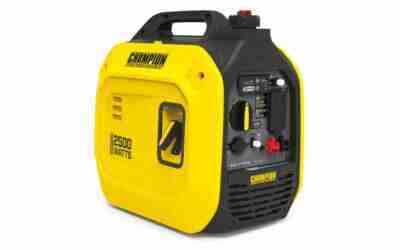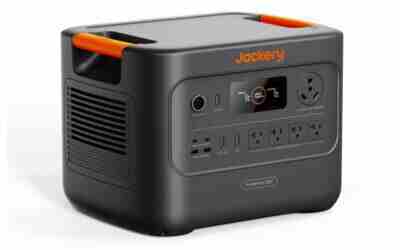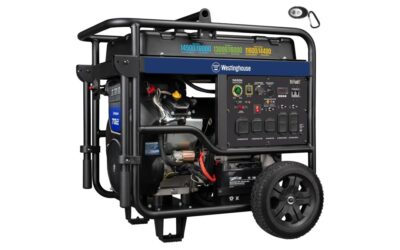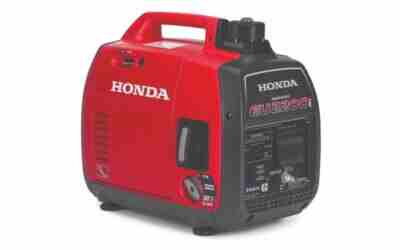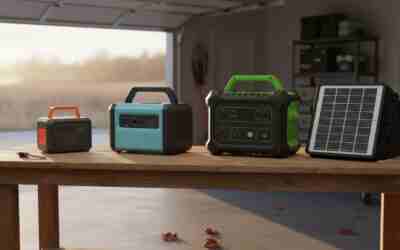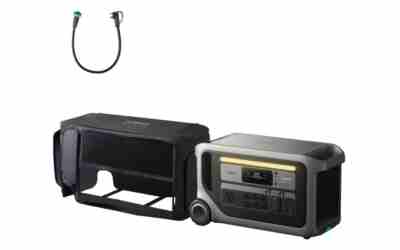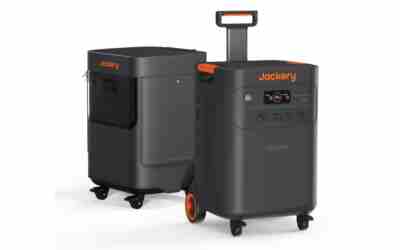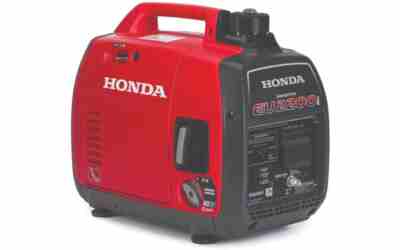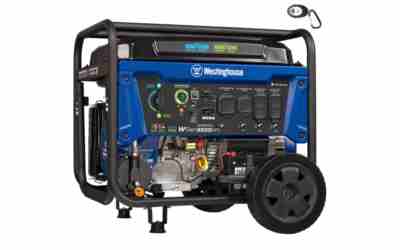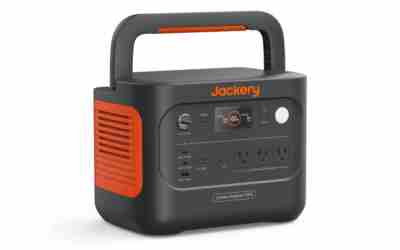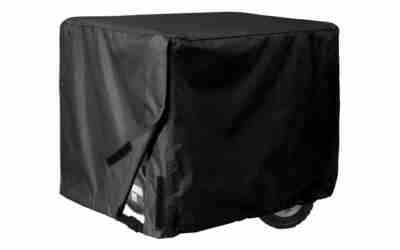

A gas generator delivers more power per dollar and can run indefinitely as long as you keep refueling it, but it’s loud, produces carbon monoxide, and must run outdoors. A battery-based power station is silent, produces zero emissions, and is safe to use indoors — but it’s limited by its battery capacity and generally costs more per watt-hour of total energy delivered. The right choice depends on how long your outages typically last and whether indoor safety or raw power matters more to you.
Where Gas Generators Win
- Extended, multi-day outages — as long as you have fuel, runtime isn’t limited by a battery.
- High-wattage needs — central AC, well pumps, and whole-house backup are more affordable to power with combustion generators at comparable price points.
- Lower upfront cost per running watt for a given power output.
See our best generators for home backup and best gas generators for home backup roundups if this fits your situation.
Where Power Stations Win
- Indoor safety — zero carbon monoxide risk means they can run safely inside an apartment, condo, or bedroom, which a combustion generator never can.
- Silence — no engine noise, ideal for CPAP machines and other medical equipment, or noise-sensitive households.
- Zero routine maintenance — no oil changes, no fuel stabilizer, no carburetor issues from stale gasoline.
- Solar rechargeability — pairing with solar panels can extend runtime indefinitely without any fuel logistics at all.
See our best portable power stations for home, best portable power stations for CPAP, and best power stations with solar panels guides.
The Real Tradeoff: Runtime vs. Capacity
A gas generator’s “tank” is effectively unlimited — you just carry or buy more fuel. A power station’s capacity is fixed at purchase (measured in watt-hours), and once depleted, it needs real recharge time from a wall outlet, car, or solar panels — there’s no equivalent of “topping off the tank in two minutes.” For outages lasting more than a day or two without a reliable way to recharge, this is the deciding factor for most households.
A Common Middle Ground
Many households use both: a power station for quiet, indoor-safe essentials (medical equipment, phones, a router, small electronics) and a gas generator reserved for higher-wattage needs during longer outages. If size/portability matters for the power station side, our best 100Wh portable power stations guide covers the most compact, easiest-to-store options.
Frequently Asked Questions About Gas Generators vs. Power Stations
Is a power station powerful enough to run a refrigerator?
Many mid-to-large power stations can, though runtime is limited by battery capacity rather than fuel — check the unit’s rated watt-hours against your refrigerator’s running watts and expected hours of use per charge.
Can I use a power station indoors safely?
Yes — this is one of its core advantages over a gas generator. Power stations produce no exhaust or carbon monoxide, so they’re safe in enclosed indoor spaces.
Do power stations need any maintenance?
Essentially none compared to a gas generator — no oil changes, no fuel stabilizer, no engine upkeep. Battery degradation over years of use is the main long-term consideration.
Which is better for a multi-day power outage?
A gas generator, generally, since it isn’t limited by a fixed battery capacity — unless you have reliable solar recharging or genuinely modest power needs that a large power station can sustain.
Is a power station a good option for medical equipment like a CPAP machine?
Yes, often ideal — the combination of silent operation and indoor safety makes power stations a strong fit for CPAP and similar medical devices specifically.