Yes, you can run a furnace with a generator if it is a gas, oil or propane furnace and the generator is rated at least 2,500 watts. Hardwired furnaces also need an interlock or transfer switch, and electric furnaces are too large for portable units.
Which furnaces a portable generator can run
Gas, oil and propane furnaces are realistic because the burner uses fuel. Only the electronics need power: the blower motor, inducer fan, igniter and control board. While running, they draw under 1,000 watts, but the blower motor has a higher startup surge.
Electric furnaces and heat pumps are different. Their heating elements are rated in kilowatts, and an electric furnace can need about 25,000 watts. That is far beyond a 3,500 to 7,500-watt portable generator. If you heat with electricity, ask an electrician about a standby system sized for the load, or plan on a different heat source during outages.
For fuel-fired furnaces, the gas furnace generator size guide covers the model-specific details.
Size the generator from your furnace nameplate
Furnace wattage varies by blower size, so read your own nameplate instead of using a generic number. The sticker is usually inside the blower compartment door.
- Find the voltage and the amps for the blower motor, plus the amps for everything else (inducer, igniter, board). If only a total is listed, use that.
- Multiply volts by amps to get running watts.
- Multiply the blower’s running watts by 3 for its startup surge, then add the other running watts.
- Add a 15% buffer once, on the final starting figure.
Worked example (illustrative nameplate values): blower 5.0 A, other components 1.5 A, both at 120 V.
- Blower: 120 × 5.0 = 600 W
- Other parts: 120 × 1.5 = 180 W
- Running total: 600 + 180 = 780 W
- Starting: (600 × 3) + 180 = 1,980 W
- With buffer: 1,980 × 1.15 = 2,277 W, so a 2,500-watt generator is the smallest fit
A larger blower, such as 3/4 HP, pushes the surge higher, so use your own numbers. Then add the running watts of anything else you want powered, using the breakdown of how many appliances a generator can run by size. With other loads, 3,500 to 5,000 watts is a common target.
Plug-in, interlock or transfer switch: how to connect
Most furnaces are hardwired to a junction box, so there is no plug to put into the generator. Check yours before buying anything.
| Method | Suits | Installer |
|---|---|---|
| Heavy-duty extension cord | Furnace with a factory plug only | None, but the cord must be rated for the furnace amps |
| Interlock kit plus generator inlet | Hardwired furnace on a panel breaker | Licensed electrician, permit per local code |
| Manual transfer switch plus inlet | Hardwired furnace on a chosen circuit | Licensed electrician, permit per local code |
Both installed options use a generator inlet, commonly a 30-amp twist-lock, and a short cord to the generator. Interlock kits are made for specific panel brands, so the electrician matches the kit to your panel. Installation must follow the National Electrical Code and your local rules.
Why backfeeding through a dryer or wall outlet is never an option
A male-to-male cord ties the generator into a household outlet and pushes power backward through the house wiring. It bypasses breaker protection and can send power onto the utility lines, where it can electrocute line workers. It can also overload wiring and start a fire. It is illegal in many places, and no workaround makes it safe. An interlock or transfer switch physically disconnects the house from the utility, which is why it is the legal route.
Placement and CO safety when you run a furnace with a generator
Generators produce carbon monoxide, which can reach lethal levels indoors within minutes. Run the unit outdoors only: never in a garage, basement, shed or on a covered porch, even with doors open.
- Set it on level, dry ground with the exhaust pointed away from the house. Use the distance from windows, doors and vents in your generator manual, because it differs by model.
- Use a rain canopy made for generators, never an enclosure that traps exhaust.
- Install battery-powered or battery-backup CO alarms on every level and near bedrooms. Test them before the outage.
- Keep the furnace’s own intake and exhaust vents clear of snow.
- Shut the generator off and let it cool before refueling.
Fuel runtime and what a furnace costs to power
A furnace cycles on and off, so the generator spends much of its time at light load. In the example, the 780-watt running load is about 22% of a 3,500-watt unit (780 ÷ 3,500).
Your manual’s runtime chart lists fuel use at quarter and half load. As an illustrative figure, if it shows 0.25 gallons per hour at quarter load, 24 hours uses 0.25 × 24 = 6 gallons. Multiply by local fuel price for the daily cost, or follow the steps in the guide to what it costs to run a generator. Plan refueling around the tank size rather than overnight surprises.
If the furnace will not start on generator power
- Generator breaker trips at startup: the blower surge exceeds the unit’s rating. Recheck the nameplate math, and turn off other loads before the furnace starts.
- Furnace clicks, then locks out: low or unstable voltage can fail ignition. Let the generator reach steady speed first, then switch the furnace on and reset it by turning its power off and on.
- Furnace runs but safety shuts it off: some portable generators have a floating neutral, with no neutral-ground bond, which can upset flame sensing. Have an electrician check the bonding, since the right setup depends on your generator and transfer equipment.
Inverter generators produce clean power that control boards tolerate well, as long as the surge rating covers the starting watts.
Our Top Picks
Ready to shop? These are the top-rated options from our related roundup, Best Portable Generators For Power Outage of 2026.

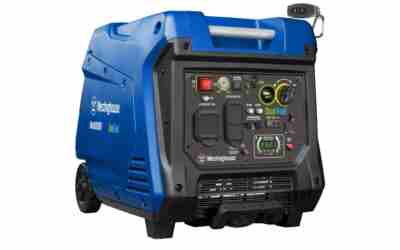
Westinghouse iGen4000DFc 4000 Peak Watt Dual Fuel Inverter Generator - Super Quiet RV Ready Remote Start CO Sensor

Pulsar PG1202SA 1200W Portable Gas Generator with Handle - Compact Camping Powerhouse

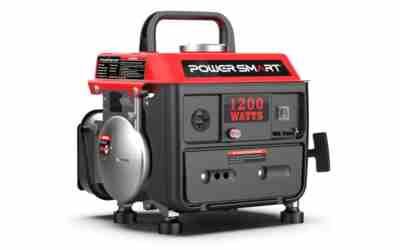
PowerSmart 1200W Portable Gas Generator 900W Rated 2-Stroke 39 lbs for Camping Emergency
As an Amazon Associate we earn from qualifying purchases. Product prices and availability are accurate as of the date/time indicated.
Frequently Asked Questions
Can an inverter generator run a furnace?
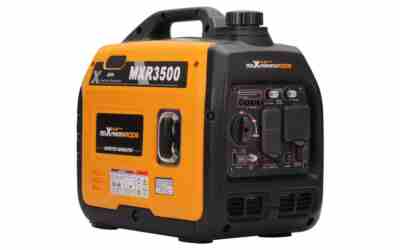
Yes. Inverter generators deliver clean power that furnace control boards handle well. Check the surge rating, not just the running rating, because the blower startup is the demanding moment. Quiet inverter units often have lower surge capacity than conventional ones of the same size.
Can a portable power station run a furnace?
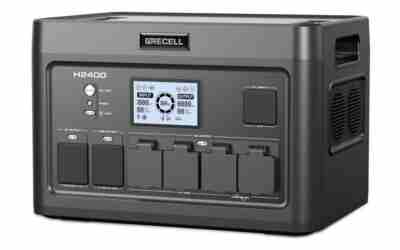
Yes, for a gas furnace, if its inverter surge output covers your starting watts and it has an outlet for the plug. In the example, 780 running watts uses about 0.78 kWh per hour of furnace run time, so battery capacity limits the duration.
Is a 7,500-watt generator too big for a furnace?
No. It will run the furnace fine and leave room for a refrigerator and lights. It burns more fuel than a smaller unit at the same light load, and it needs a larger inlet and cord rating if connected through a transfer switch.
Can I leave the generator running overnight for the furnace?
Yes, if it is outdoors, working CO alarms are installed, and you have enough fuel. Never refuel while it is hot. Fill it before bed, and check how long your tank lasts at your load so it does not run dry unexpectedly.
{“@context”: “https://schema.org”, “@type”: “FAQPage”, “mainEntity”: [{“@type”: “Question”, “name”: “Can an inverter generator run a furnace?”, “acceptedAnswer”: {“@type”: “Answer”, “text”: “Yes. Inverter generators deliver clean power that furnace control boards handle well. Check the surge rating, not just the running rating, because the blower startup is the demanding moment. Quiet inverter units often have lower surge capacity than conventional ones of the same size.”}}, {“@type”: “Question”, “name”: “Can a portable power station run a furnace?”, “acceptedAnswer”: {“@type”: “Answer”, “text”: “Yes, for a gas furnace, if its inverter surge output covers your starting watts and it has an outlet for the plug. In the example, 780 running watts uses about 0.78 kWh per hour of furnace run time, so battery capacity limits the duration.”}}, {“@type”: “Question”, “name”: “Is a 7,500-watt generator too big for a furnace?”, “acceptedAnswer”: {“@type”: “Answer”, “text”: “No. It will run the furnace fine and leave room for a refrigerator and lights. It burns more fuel than a smaller unit at the same light load, and it needs a larger inlet and cord rating if connected through a transfer switch.”}}, {“@type”: “Question”, “name”: “Can I leave the generator running overnight for the furnace?”, “acceptedAnswer”: {“@type”: “Answer”, “text”: “Yes, if it is outdoors, working CO alarms are installed, and you have enough fuel. Never refuel while it is hot. Fill it before bed, and check how long your tank lasts at your load so it does not run dry unexpectedly.”}}]}