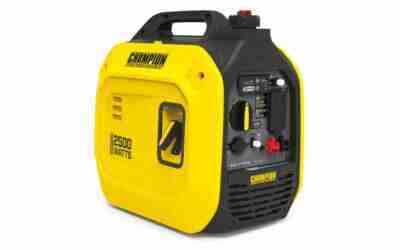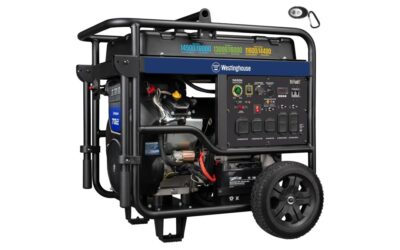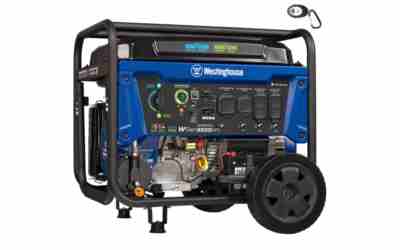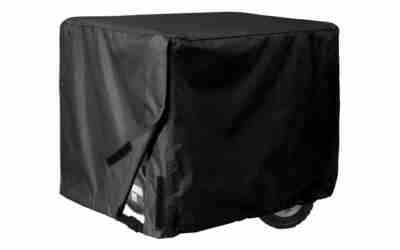

A mid-size (5,000–7,000 running-watt) gasoline generator typically burns roughly 0.5–1 gallon of fuel per hour at around 50% load, meaning running it 8 hours a day during an outage might cost somewhere in the ballpark of $20–35 a day in fuel alone at typical U.S. gasoline prices — actual cost varies with your specific generator’s efficiency, how heavily it’s loaded, and current local fuel prices.
What Actually Drives Fuel Cost
- Generator size — larger engines burn more fuel per hour even at the same percentage load.
- Load percentage — a generator running at 30% of its capacity burns noticeably less fuel per hour than one running near 100%, even though both are “on” the same length of time.
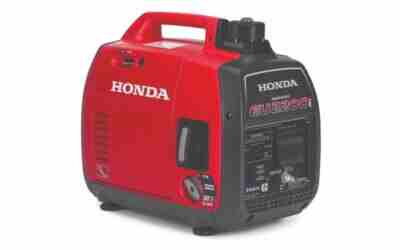
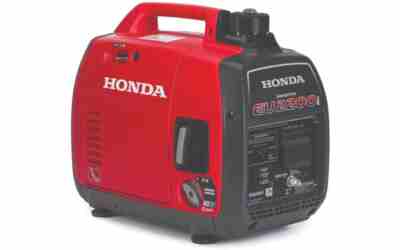
- Engine type — inverter generators, whose engine speed varies with actual demand, are generally more fuel-efficient under partial load than conventional generators that run at a fixed RPM regardless of draw. See our inverter vs. conventional generators guide for the full comparison.
- Fuel type and price — gasoline, propane, and diesel all have different costs and efficiency profiles; see our gasoline vs. propane vs. diesel generators comparison.
Beyond Fuel: Maintenance and Wear
Fuel isn’t the only ongoing cost. Budget for periodic oil changes (commonly every 50–100 hours of run time, check your owner’s manual for the exact interval), occasional spark plugs or filters, and general wear that accumulates with heavy or frequent use — see our generator maintenance schedule guide for the full upkeep picture.
How This Compares to a Standby (Natural Gas) Generator
Standby generators connected to a home’s natural gas line are billed through your regular utility gas rate rather than gasoline purchases, and natural gas is often cheaper per unit of energy delivered than gasoline — but this needs to be weighed against a standby system’s much larger upfront equipment and installation cost. See our standby vs. portable generators guide for that full tradeoff.
How This Compares to a Battery Power Station
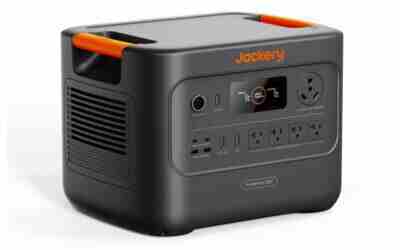
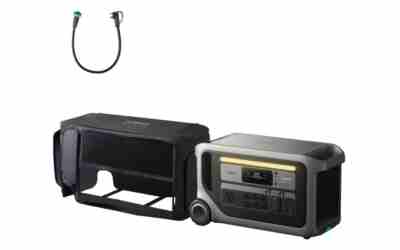
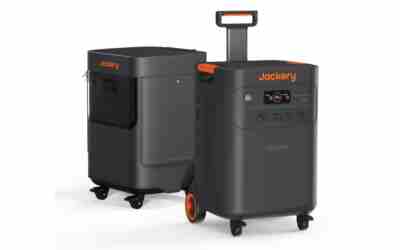
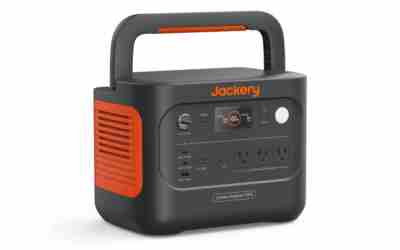
A power station has no direct fuel cost at all — recharging costs whatever your electricity rate is for the wall-outlet electricity used (or nothing, if recharged via solar panels). Combustion generators, by comparison, typically convert only a fraction of their fuel’s total energy into usable electricity, with the rest lost as heat, which is part of why a power station’s cost-per-kWh delivered can be lower over time despite a higher upfront purchase price. See our gas generator vs. power station guide for the fuller comparison.
A Practical Way to Estimate Your Own Cost
Check your specific generator’s published fuel consumption rate at 50% load (most manufacturers list this in the spec sheet), multiply by current local fuel price, then multiply by how many hours a day you expect to run it. This gives a far more accurate estimate than a generic average, since fuel efficiency varies meaningfully between models — compare options in our best portable generators for home backup roundup, which lists runtime and fuel-capacity specs per model.
Frequently Asked Questions About the Cost of Running a Generator
How much fuel does a generator use per hour?
It depends heavily on size and load, but a mid-size generator at around half load commonly burns roughly 0.5-1 gallon of gasoline per hour — check your specific model’s published fuel consumption rate for an accurate figure.
Does running a generator at lower load save fuel?
Yes, generally — especially on inverter models, which can slow the engine down under lighter demand rather than always running at a fixed speed.
Is propane or diesel cheaper to run than gasoline?
It varies by local pricing and the specific engine’s efficiency with each fuel, but diesel is often the most fuel-efficient per unit of energy, while gasoline typically has the lowest generator purchase price.
How much should I budget for generator maintenance per year?
This depends heavily on how often you use it, but budgeting for periodic oil changes and occasional parts (spark plugs, filters) is reasonable for any unit used more than occasionally — light, occasional users will spend far less than those running it frequently or for extended outages.
Is a power station cheaper to run than a gas generator long-term?
Often yes for the cost-per-kWh of electricity actually delivered, especially if recharged via solar, though the higher upfront purchase price needs to be weighed against that ongoing savings.