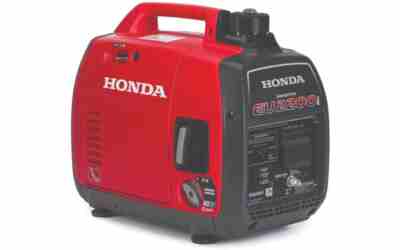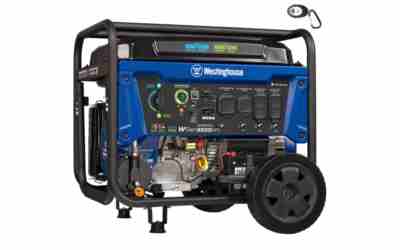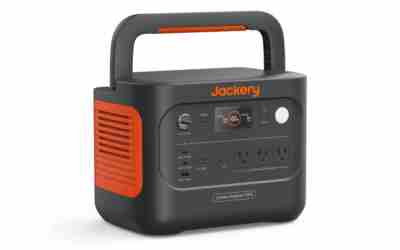

Gasoline generators are the most common and typically the most affordable, but the fuel degrades in storage within weeks. Propane stores indefinitely and burns cleaner, at a modest cost in energy density and often a higher upfront unit price. Diesel is generally the most fuel-efficient of the three and tends to power the longest-lasting, most durable engines, but diesel generators are less common in small portable consumer sizes and cost more upfront. The right fuel depends on how you’ll store it, how often you’ll use the generator, and how large a unit you need.
Gasoline: Available Everywhere, but Doesn’t Store Well
Gasoline is the default fuel for most consumer portable generators because it’s cheap, universally available, and the engines that run on it are inexpensive to manufacture. Its major weakness is shelf life — untreated gasoline starts degrading in as little as 30 days, gumming up carburetors and causing hard-starting or no-start issues if left sitting in a generator’s tank between uses. A fuel stabilizer extends this to a few months, but gasoline is genuinely the least forgiving of the three fuels for long-term storage.
Propane: Stores Indefinitely, Burns Cleaner
Propane doesn’t degrade in a sealed tank the way gasoline does, making it the far better choice if you want fuel sitting ready for an emergency you might not use for years. It also burns cleaner than gasoline, generally meaning less carbon buildup and less engine wear over time. The tradeoffs are slightly lower energy density than gasoline (somewhat less power or runtime from an equivalent volume) and needing to source and store standard propane tanks. See our dual-fuel vs. tri-fuel vs. single-fuel generators guide for how propane-capable generators are typically configured.
Diesel: The Most Efficient, Built for Durability
Diesel engines are generally the most fuel-efficient of the three per unit of energy delivered, and diesel generator engines are typically built to a heavier-duty standard, often lasting longer under sustained or frequent use than comparable gasoline engines. Diesel also has a higher flash point than gasoline, meaning it’s somewhat less volatile to store. The downsides: diesel generators cost more upfront, are less common in small consumer-portable sizes (more typical in larger residential standby, commercial, RV, and marine applications), and diesel fuel can gel in very cold temperatures without a winter-blend formulation.
Quick Comparison
| Gasoline | Propane | Diesel | |
|---|---|---|---|
| Storage life | Weeks (months with stabilizer) | Indefinite in a sealed tank | Months to about a year, longer than gasoline |
| Availability | Highest | Widely available in standard tanks | Common at truck stops/fuel stations, less at typical gas pumps |
| Typical upfront cost | Lowest | Moderate | Highest |
| Fuel efficiency | Moderate | Slightly lower energy density | Generally most efficient per unit of fuel |
| Best for | Occasional, general-purpose use | Long-term emergency storage readiness | Heavy, frequent, or long-duration use |
Which Fuel Fits Your Situation?
Occasional users who don’t want to think much about fuel logistics are usually well served by gasoline. Anyone prioritizing multi-year emergency readiness should lean toward propane or a dual-fuel unit. Heavy or frequent users, and anyone running larger equipment, should weigh diesel’s efficiency and durability against its higher upfront cost — see our best diesel generators and best portable diesel generators roundups if that’s the direction you’re leaning.
Frequently Asked Questions About Gasoline, Propane, and Diesel Generators
Which fuel is cheapest to run a generator on?
This varies with local fuel prices and how efficiently a specific engine uses each fuel, but diesel is generally the most fuel-efficient per unit of energy delivered, while gasoline generators typically have the lowest upfront purchase cost.
Can propane generators be stored for years without use?
Yes, this is one of propane’s biggest advantages — a sealed propane tank doesn’t degrade the way stored gasoline does, making it well suited for infrequent emergency-only use.
Why are diesel generators less common for home backup?
Mainly cost and size — diesel engines and their generators tend to carry a higher price premium and are more common in larger residential standby, commercial, or industrial applications than in small consumer-portable units.
Does diesel fuel go bad in storage?
It stores longer than gasoline, generally around a year or more under good conditions, but it’s not indefinite like propane — and it can gel in very cold temperatures without a winter-blend formulation.
Can I switch fuel types on a generator I already own?
Only if it was designed as a dual-fuel or tri-fuel model from the factory. A single-fuel generator generally can’t be safely converted to another fuel type without a purpose-built conversion kit, and improvised conversions aren’t recommended.