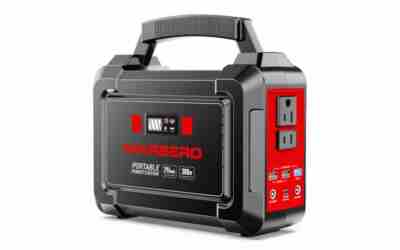
In a solar generator vs inverter generator choice, pick the solar unit for quiet, indoor-safe light loads and the gas unit for multi-day heavy loads. A solar inverter is a different thing: only the DC-to-AC converter in a panel system, with no battery or fuel of its own.
Solar generator, inverter generator and solar inverter: three different things
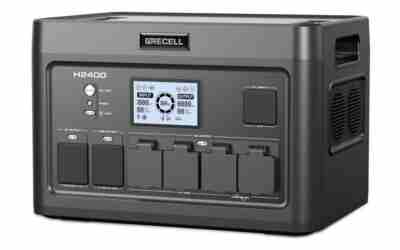
A solar generator is a battery power station with a built-in inverter and charge controller. It charges from solar panels (sold with it or separately), and on most models also from a wall outlet or a car port. It stores energy in watt-hours (Wh) and delivers it in watts (W).
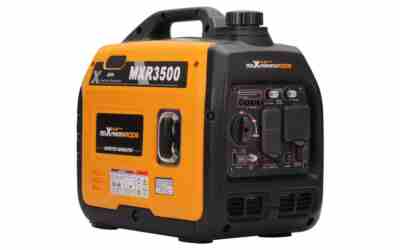
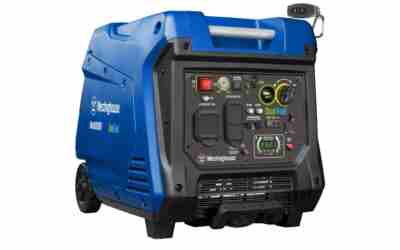
An inverter generator burns gasoline, propane or diesel, depending on the model, and uses an electronic inverter to produce steady AC power. It is usually quieter than an open-frame conventional generator, and its stable output suits laptops and other electronics.
A solar inverter is the converter inside a rooftop or off-grid system. It has no storage and no fuel, so it cannot power anything alone. That is why the rest of this page compares the two portable options.
Solar generator vs inverter generator side by side
| Factor | Solar generator | Inverter generator (gas) |
|---|---|---|
| Energy source | Stored battery charge from sun, wall outlet or car | Gasoline, propane or diesel, depending on model |
| Indoor use | Yes, no exhaust | Never; outdoors only because of carbon monoxide |
| Noise | Silent except cooling fans under load | Engine noise whenever it runs |
| Runs until | The battery’s Wh is used up | The fuel runs out |
| Refill | Hours of sun or wall charging | Minutes at the fuel can |
| Maintenance | No oil or filters; store partly charged per the manual | Oil changes, air filter, spark plug and fuel care per the manual |
| Cost to buy | Higher per watt, since you pay for the battery | Lower per watt |
| Cost to run | No fuel; sun is free | Fuel for every hour of running |
Rated watts, surge watts, battery Wh and noise vary by model, so compare the spec sheets of the exact units you are considering.
Worked example: sizing a solar generator for one day
These loads are typical values; replace them with the labels on your own appliances.
- Refrigerator: 120 W running for 12 hours of compressor time in 24 hours = 1,440 Wh.
- CPAP: 40 W for 8 hours = 320 Wh.
- Lights and phone charging: 80 W for 3 hours = 240 Wh.
- Daily total: 1,440 + 320 + 240 = 2,000 Wh.
- Add 20% for inverter losses and unusable reserve: 2,000 x 1.2 = 2,400 Wh of battery.
- Panels to refill that daily, at 4 sun hours and a 0.75 real-world factor: 2,400 / (4 x 0.75) = 800 W of panels.
Output is a separate check. The loads can run together at 120 + 40 + 80 = 240 W, but the refrigerator’s startup surge, listed on its label or manual, must stay under the unit’s surge rating.
A gas inverter generator skips the battery math. Any unit with enough rated and surge watts covers the same loads, and its fuel use per hour comes from the manual. If you go solar, our guide to solar generators that can run a refrigerator shows what capacities exist.
Which handles multi-day outages and heavy loads better
Gas wins on heavy loads and long outages. A solar generator is capped by its output watts and its stored Wh, so well pumps, central air conditioning and electric ranges are usually out of reach for portable units. Check each unit’s rated watts and whether it offers 240V output.
Where a solar generator loses is days of cloud. Recharging depends on panel size and sunlight, so a gray week can leave you short even if the first day went fine.
Where a gas unit loses is fuel. You must store gasoline safely, keep it fresh with stabilizer, and refill it by hand. In a regional outage, gas stations may be closed. It also has to run outdoors, with the noise that comes with it.
If gas fits your outage risk, the best inverter generators list shows the sizes available.
Choose this if: home backup, RV or camping, CPAP
Home backup
Choose a solar generator if outages last hours to a couple of days and you need the fridge, router, lights and phones, quietly and without fumes. Choose an inverter generator if outages run many days or you need a well pump or air conditioner.
RV or camping
Choose a solar generator for campgrounds with quiet hours or generator limits, and for lights, laptops and fans. Choose gas to run an RV air conditioner, and check its starting watts against the generator’s surge rating.
CPAP and medical devices
For a CPAP alone, a solar generator is the usual choice because it is silent and has no exhaust near the bed. See the guide to solar generators for CPAP and camping. For life-support equipment, ask the device maker and your provider, and keep a second power source.
Hybrid setups, transfer switches and carbon monoxide
You can use both. Many power stations accept AC charging, so a gas inverter generator running outdoors can refill one when the sun is not enough. Check your unit’s manual for the allowed AC input. Some products combine the two ideas; see these solar inverter generators for the middle option.
Rooftop solar does not automatically give you backup. A grid-tied inverter shuts off during an outage (anti-islanding), so you need a battery-based or hybrid inverter to keep power on.
- Never backfeed a house panel through a wall outlet or dryer outlet. Use a transfer switch or interlock installed by a licensed electrician, following NEC and local permit rules.
- Run gas units only outdoors, never in a house or garage, and follow the manual or label for placement away from windows and doors.
- Keep batteries out of extreme heat, and do not charge them below freezing unless the unit is rated for it.
Our Top Picks
Ready to shop? These are the top-rated options from our related roundup, Best Home Backup Solar Generators of 2026.

EF ECOFLOW Delta 2 Solar Generator with 220W Panel - 1024Wh LiFePO4, 1800W Output for Camping, RV, Home Backup

EF ECOFLOW DELTA 2 Max: 2400W 2048Wh LFP Portable Solar Generator, 80% Charge in 43 Min, Home Backup & RV Power

Apowking 146Wh Solar Generator 200W Peak/100W Rated Power Station with 40W Solar Panel - Portable for Camping, Home Backup
As an Amazon Associate we earn from qualifying purchases. Product prices and availability are accurate as of the date/time indicated.
Frequently Asked Questions
Do I need a separate inverter if I buy a solar generator?
No. A solar generator already contains an inverter, a battery and a charge controller. You only need panels if you want to recharge from the sun. A standalone solar inverter is a component for fixed panel and battery systems.
Can I use a solar generator during a power outage without panels?
Yes, if it was charged beforehand from a wall outlet or car port. Panels only refill it. Top it up before storms, and recharge from any available source once the grid returns.
Can a solar generator run a whole house?
Not as a plug-in portable unit. Most run selected circuits or appliances. Whole-house use needs a system built for it, with enough output watts and Wh, and a transfer switch installed by a licensed electrician under local code.
Can I charge a solar generator with a gas inverter generator?
Yes, if the power station accepts AC charging. Run the generator outdoors, connect it as the manual describes, and stay within the station’s stated AC input limit.
{“@context”: “https://schema.org”, “@type”: “FAQPage”, “mainEntity”: [{“@type”: “Question”, “name”: “Do I need a separate inverter if I buy a solar generator?”, “acceptedAnswer”: {“@type”: “Answer”, “text”: “No. A solar generator already contains an inverter, a battery and a charge controller. You only need panels if you want to recharge from the sun. A standalone solar inverter is a component for fixed panel and battery systems.”}}, {“@type”: “Question”, “name”: “Can I use a solar generator during a power outage without panels?”, “acceptedAnswer”: {“@type”: “Answer”, “text”: “Yes, if it was charged beforehand from a wall outlet or car port. Panels only refill it. Top it up before storms, and recharge from any available source once the grid returns.”}}, {“@type”: “Question”, “name”: “Can a solar generator run a whole house?”, “acceptedAnswer”: {“@type”: “Answer”, “text”: “Not as a plug-in portable unit. Most run selected circuits or appliances. Whole-house use needs a system built for it, with enough output watts and Wh, and a transfer switch installed by a licensed electrician under local code.”}}, {“@type”: “Question”, “name”: “Can I charge a solar generator with a gas inverter generator?”, “acceptedAnswer”: {“@type”: “Answer”, “text”: “Yes, if the power station accepts AC charging. Run the generator outdoors, connect it as the manual describes, and stay within the station’s stated AC input limit.”}}]}