
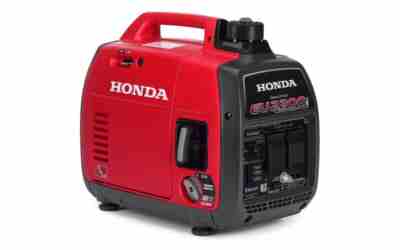
How Much Generator Do You Need to Run an RV AC?
Generator size for RV AC: about 3,000 watts for a 13,500 BTU unit and about 4,000 for 15,000 BTU, plus the math to check against your own nameplate.
We independently review everything we recommend. When you buy through our links, we may earn a commission. As an Amazon Associate we earn from qualifying purchases. Learn more ›
In-depth educational guides on generator and power station concepts, safety, and buying decisions.
Generator size for RV AC: about 3,000 watts for a 13,500 BTU unit and about 4,000 for 15,000 BTU, plus the math to check against your own nameplate.
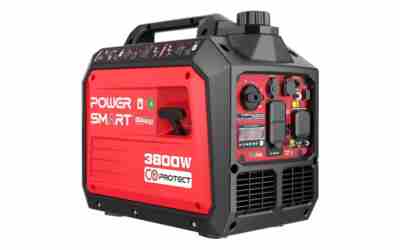
You need a 3,000 to 4,000 watt generator to run a 30 amp RV with AC, since the service maxes at 3,600 watts; worked load math inside.
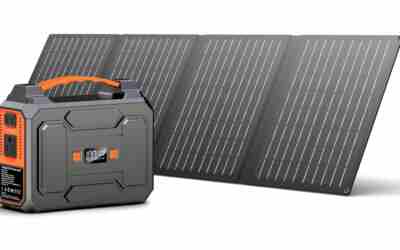
A solar generator to run a refrigerator needs about 2,000 Wh of battery and a 1,500 W inverter for a 600 kWh/year fridge; here is the math.
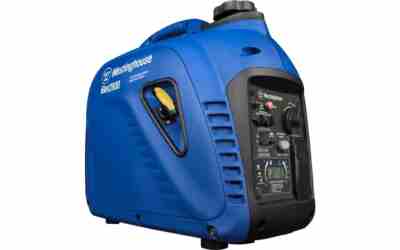
Can a gas generator get wet? No: rain risks shock and damage, so run it only under a ventilated open-sided cover, outdoors and away from the home.
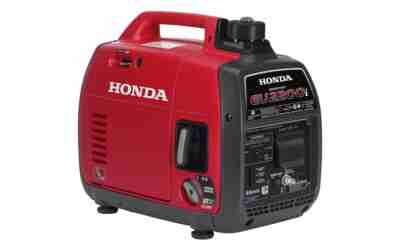
How inverter generators work: the engine makes AC, a rectifier turns it to DC, and an inverter rebuilds clean 60 Hz AC for quieter power.
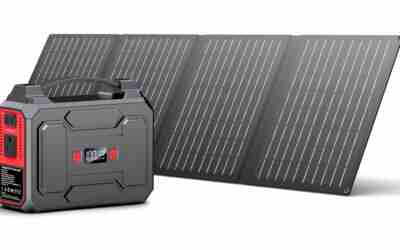
Solar generator vs inverter generator: choose solar for quiet, indoor-safe light loads and gas for multi-day heavy loads; specs vary by model.
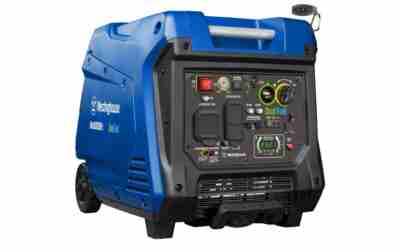
Operate a portable generator safely: run it outdoors away from the house, install CO alarms, never backfeed, and refuel only after it cools.
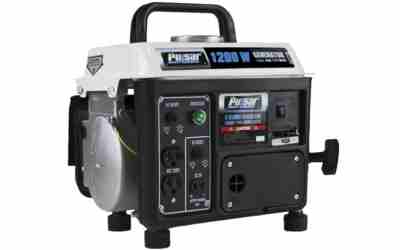
You can run a furnace with a generator: gas, oil and propane models need a unit rated at least 2,500 watts plus a safe hookup; electric furnaces are too big.
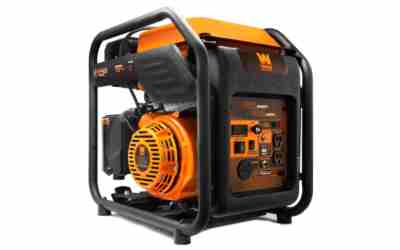
How portable generators work: an engine spins an alternator to make 120-volt power, and inverter models clean it up for electronics.
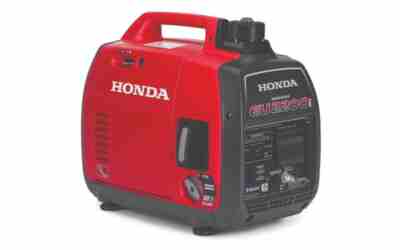
What can a 1000 watt generator run? Phones, laptops, lights, a TV, a fan and a mini fridge, as long as the total stays near 800 running watts.