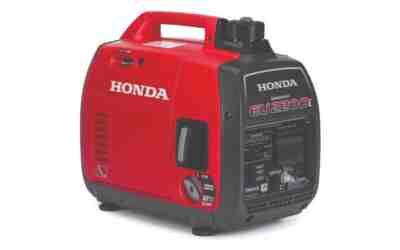
The answer to how often to start a generator is once a month, for 20 minutes under load. That short run keeps fuel moving, charges the battery and exposes problems on a calm day instead of in the middle of an outage.
Starting schedule by generator type
Use the monthly 20-minute run as your rule for any portable or inverter unit you keep for emergencies. Standby units start themselves on a controller timer, so they work differently.
How often to start a standby vs portable generator
| Generator | Start | Run time |
|---|---|---|
| Portable or inverter (gas) | Monthly, by hand | 20 minutes under load |
| Standby (permanently installed) | Automatic self-test on the controller timer | Set by the maker; see your manual |
Your owner’s manual overrides every number on this page. Read its maintenance chapter once and write down what it says. If it gives a different interval, follow the manual and use that interval every time.
Monthly routine to start a portable generator
- Move it outside. Set it on dry, level ground, exhaust pointed away from the house. Use the clearance in your manual; our guide on how far a generator should be from the house explains how to apply it.
- Check oil. Top off to the mark on the dipstick with the grade the manual names.
- Check fuel. Look at the gas in the tank. If it is dark or smells sour, replace it before starting.
- Inspect. Look for chewed wires, loose caps, cracked fuel lines and a clogged air filter.
- Start it with nothing plugged in and let it run 2 to 3 minutes to settle.
- Add the test load (next section) and run for 20 minutes.
- Remove the load, let the engine run another minute, then shut it down.
- Let it cool before you add fuel, and write the run in your log.
Keep battery-powered carbon monoxide alarms working inside the house every time you run the unit. Never plug it into a wall outlet to feed house wiring; a licensed electrician must install a transfer switch for that.
Why you should run it under load, not idle
An engine at idle never reaches full operating temperature, so moisture and fuel residue are not burned off, and the alternator is not exercised. A load makes the engine work the way it will in an outage. Use the minimum test load your manual gives. If it is silent, use a moderate load rather than idling.
Worked example: 3,500-watt generator
Typical inputs: a 3,500 running-watt unit, two 500-watt work lights and a 200-watt chest freezer.
- Test load: 500 + 500 + 200 = 1,200 W.
- Load share: 1,200 ÷ 3,500 = 34 percent of the running-watt rating.
Run extension cords from the outdoor generator to the lights and freezer, using cords rated for the wattage. Do not run a heater or any appliance inside a closed space as a test load.
What changes how often you should start it
The monthly rule stays the same, but these conditions call for extra care:
- Ethanol fuel. Pump gas with ethanol absorbs water and turns stale within months. If you use it, add stabilizer at the dose printed on the bottle and keep the monthly run.
- Humid or coastal air. Moisture corrodes plugs and contacts, so keep the monthly run and do not stretch it.
- Cold climates. Cold starts are when weak batteries and thick oil show up. Run it through winter, clearing snow from the exhaust and air intake first.
- Electric start. The starting battery drains while it sits. If the unit has a battery, check its charge each month; see our explainer on generators without manual start for how the starting systems differ.
Storing it for more than a few months
When a generator will sit longer than your manual’s start interval, change the fuel plan instead of just skipping runs.
- Fill the tank with fresh fuel and add stabilizer at the label dose.
- Run the engine 5 to 10 minutes so treated fuel reaches the carburetor.
- Pick one method the manual allows. Either close the fuel valve and run the engine until it stalls, or drain the tank and carburetor bowl into an approved container.
- Change the oil if the manual calls for it before storage.
- Cover it with a breathable cover and keep it dry.
Fuel you drain should be taken to a local hazardous waste drop-off, not poured out. Restart from scratch with fresh fuel at the next run.
What to log, and what a start test does not prove
A simple log turns the schedule into something you can check. Record these after every run:
- Date and hour-meter reading
- Minutes run and watts of test load
- Oil level before and after
- Fuel age and whether stabilizer was added
- Number of pulls or seconds of cranking
- Anything odd: smoke, surging, rough idle
A successful start does not prove your transfer switch, inlet cord or breakers work. Have a licensed electrician test that part of the system on its own schedule.
If the engine cranks but will not catch, or surges under load, work through our generator won’t start troubleshooting checklist before the next outage, and note the fix in your log.
Our Top Picks
Ready to shop? These are the top-rated options from our related roundup, Best Electric Start Portable Generators of 2026.
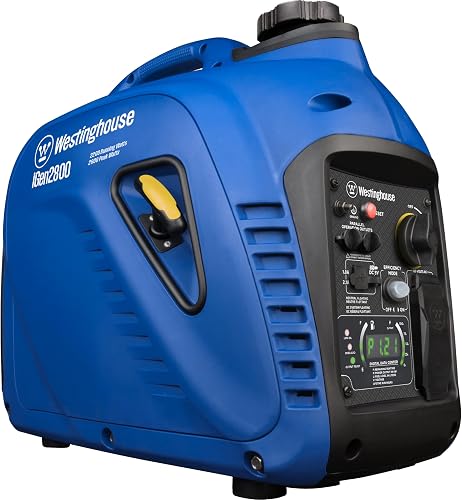
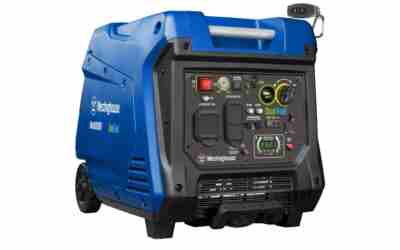
Westinghouse iGen2800 2800 Peak Watt Super Quiet Lightweight Portable Inverter Generator - Gas Powered, Parallel Ready

WEN GN5602X 5600W Portable Generator Electric Start RV-Ready CO Sensor 4500 Running Watts

WEN RV-Ready 4000-Watt Open Frame Inverter Generator GN400iM
As an Amazon Associate we earn from qualifying purchases. Product prices and availability are accurate as of the date/time indicated.
Frequently Asked Questions
Is a 5-minute run enough for a portable generator?
No. Five minutes is a preset for some standby controllers, not a portable test. A portable engine needs about 20 minutes under load to reach full temperature, burn off moisture and show any surging.
Can I skip the winter months?
No. Cold weather is when weak batteries and thick oil cause failed starts. Keep running it, with the exhaust and intake clear of snow. Only a stabilized, drained, properly stored unit should sit through winter.
Can I reuse the fuel left in the tank after a test?
Yes, if it is fresh and treated with stabilizer. If it looks dark, smells sour or varnish-like, replace it and take the old fuel to a hazardous waste drop-off.
Does my standby generator’s weekly self-test mean I can ignore it?
No. The self-test only runs the engine. Still check oil, coolant where used, the battery and the enclosure each month, and write down the results.
{“@context”: “https://schema.org”, “@type”: “FAQPage”, “mainEntity”: [{“@type”: “Question”, “name”: “Is a 5-minute run enough for a portable generator?”, “acceptedAnswer”: {“@type”: “Answer”, “text”: “No. Five minutes is a preset for some standby controllers, not a portable test. A portable engine needs about 20 minutes under load to reach full temperature, burn off moisture and show any surging.”}}, {“@type”: “Question”, “name”: “Can I skip the winter months?”, “acceptedAnswer”: {“@type”: “Answer”, “text”: “No. Cold weather is when weak batteries and thick oil cause failed starts. Keep running it, with the exhaust and intake clear of snow. Only a stabilized, drained, properly stored unit should sit through winter.”}}, {“@type”: “Question”, “name”: “Can I reuse the fuel left in the tank after a test?”, “acceptedAnswer”: {“@type”: “Answer”, “text”: “Yes, if it is fresh and treated with stabilizer. If it looks dark, smells sour or varnish-like, replace it and take the old fuel to a hazardous waste drop-off.”}}, {“@type”: “Question”, “name”: “Does my standby generator’s weekly self-test mean I can ignore it?”, “acceptedAnswer”: {“@type”: “Answer”, “text”: “No. The self-test only runs the engine. Still check oil, coolant where used, the battery and the enclosure each month, and write down the results.”}}]}