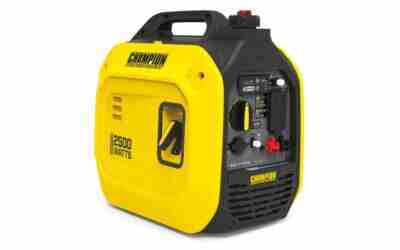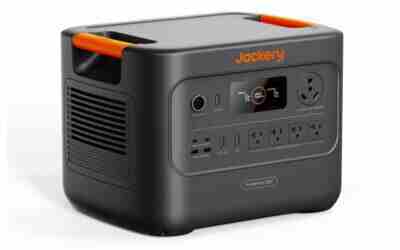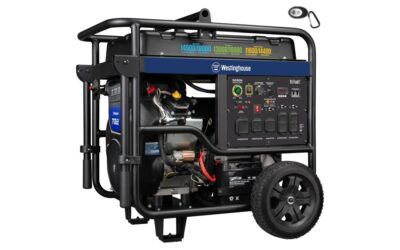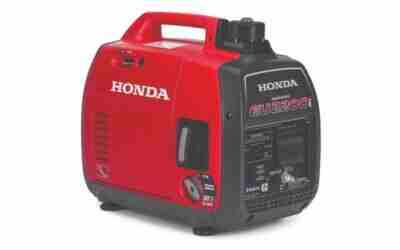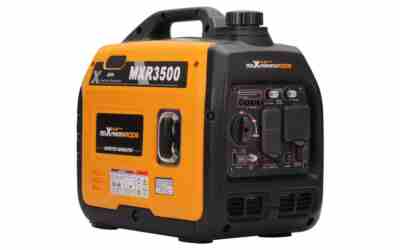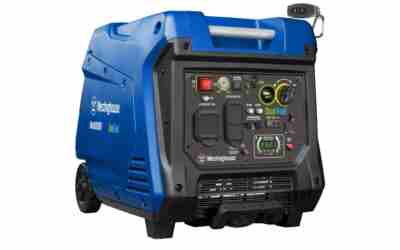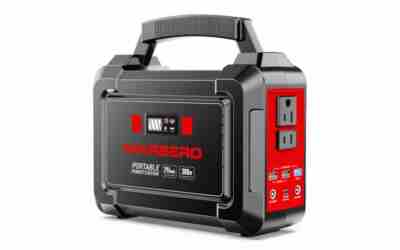

Our editorial team weighed Westinghouse's published specifications and how it stacks up against similar products in the generators category. What stands out: Extremely Quiet at 52dBA, RV-Ready & USB Outlets, and Dual Fuel Flexibility. Where it falls short: Heavy at 62.8 lbs and Minor Residual Oil Odor. That puts it at 8.4/10 on our WG Score – an excellent, well-rounded option.
 Reviewed byTristan
A portable generator should sit at least 20 feet from your house, with the exhaust pointed away from the home. A permanent standby unit usually needs about 5 feet from windows, doors and vents. This generator distance from house is a rule of thumb, not a guarantee against carbon monoxide, so your owner’s manual and local code still decide.
Generator distance from house: portable vs. standby
The two generator types follow different rules, and many pages blur them. The 20-foot figure for portable units is widely repeated safety guidance, not a code number. The 5-foot figure for standby units comes from installation rules such as NFPA 37, which cities and counties adopt or change.
| Generator type | Typical distance | Where it comes from |
|---|---|---|
| Portable (gas, propane, dual fuel, inverter) | 20 ft or more from the house, exhaust pointed away | Common safety guidance and owner’s manuals |
| Permanent standby | About 5 ft from windows, doors, vents and other wall openings | NFPA 37 as adopted locally |
| Standby, manufacturer clearance | Varies by model. Some Generac manuals list 36 in. from non-combustible walls (brick, concrete) and 60 in. from combustible walls (vinyl siding, wood). Some fire-tested units list as little as 18 in. | Installation manual for your exact model |
Decision rule: use whichever number is largest. If the manual says 60 inches and code says 5 feet, use 5 feet. If your city says more than the manual, follow the city.
Standby units: permits, neighbors and meters
Most places require a permit and inspection for a standby generator, plus a licensed electrician for the transfer switch. Ask your building department about property-line setbacks, gas meter and air conditioner clearances, and noise rules. An HOA may add its own limits. Keep exhaust away from a neighbor’s windows too. If you are comparing permanent units, see our roundup of propane home standby generators.
Portable generator placement checklist
Use this list every time you set up, not just the first time.
- Go outdoors, 20 feet or more out. Pick level, dry ground. Farther is better if your cord or transfer setup allows it.
- Point the exhaust away. The muffler outlet should face away from your house and any neighbor’s house.
- Check the wind. Wind, hills, fences and walls can push or trap exhaust, so 20 feet may not be enough on some lots. If the wind shifts toward the house, move the unit or turn it.
- Clear every opening. Stay away from windows, doors, dryer and furnace vents, fresh-air intakes, window wells and air conditioner units, including your neighbor’s.
- Keep combustibles back. Leave clear space on all sides from siding, fences, dry brush, leaves, woodpiles and fuel cans. Many manuals specify several feet, so check yours.
- Test CO alarms inside first. Do this before you start the engine.
- Plan the power path. Know how the cord or transfer switch will reach the house (see below).
Small lot or townhouse? Do not shorten the distance to make it fit. A lot that cannot give you 20 feet and a clear exhaust path is a reason to choose a no-exhaust battery option instead. Our guide to portable generators for home backup covers fuel-burning models if your yard works.
Can you run a generator in a garage, carport or under a porch?
No. Running a generator in a garage, carport, shed, basement, crawlspace, breezeway or under a deck or porch is a leading cause of generator carbon monoxide deaths. A roof or walls hold the exhaust close, and it seeps into the home.
- Garage with the door open: still unsafe. CO can move through shared walls, door gaps and the house air system.
- Carport or covered patio: exhaust collects under the roof and drifts toward doors and windows.
- Under a deck: trapped exhaust and a fire risk from the wood above.
- Near a window well or crawlspace vent: exhaust can sink into these openings.
Carbon monoxide has no smell or color. Early signs are headache, dizziness, nausea and confusion. If anyone has them, get everyone into fresh air and call 911.
What carbon monoxide protection do you need indoors?
Distance lowers the risk, but the alarm is your backup when wind or an open door brings exhaust inside.
- Use CO alarms with battery backup, since power may be out. Look for a UL 2034 listing.
- Put one on every level and near sleeping areas. Follow the alarm maker’s placement instructions.
- Test them before the outage and replace old units. Alarms have an end-of-life date printed on the back.
- If an alarm sounds, shut off the generator, leave the house and call 911. Do not reopen windows to “air it out” and go back in.
A generator running outdoors can still set off an alarm if the exhaust is entering the house. That means move it farther or turn it, then ventilate only after you are outside and safe.
How do you keep a generator dry without enclosing it?
Rain and snow can damage the outlets and cause shock, but boxing the unit in creates a CO and heat problem. Keep it dry and open.
- Use a generator tent or canopy made for running generators, with open sides and heat-rated fabric. Follow its instructions.
- Do not use a tarp draped over the unit, a closed shed, or a box with a lid.
- Set the unit on a dry, level pad or boards, not in a puddle or a drainage path.
- In snow, clear a space around it and keep the exhaust outlet and cooling vents uncovered.
- Never touch or plug in a generator with wet hands or while standing in water.
Any cover still needs to sit at the same distance from the house. The canopy does not shorten the 20 feet.
What fire and fuel rules apply around a generator?
The engine and muffler get hot enough to ignite fuel vapors and dry material.
- Turn it off and let it cool before refueling. The manual may give a cool-down time. Fuel spilled on a hot engine can ignite.
- Store gasoline or propane outdoors in approved containers, away from the generator, pilot lights, and living space. Never store fuel in the house or an attached garage.
- Keep the area around it free of leaves, dry grass, paper and siding that could scorch.
- Keep a fire extinguisher rated for fuel fires (ABC) nearby.
- Do not run gasoline from the same spot for days without checking for leaks and fuel smell.
How do you get power from 20 feet away safely?
Run power to the house with either a heavy-duty outdoor extension cord or a transfer switch or interlock installed by a licensed electrician. Never plug the generator into a wall outlet. That backfeeds the power lines and can electrocute utility workers.
Worked example: a refrigerator (about 700 running watts) and a few lights and a phone charger add up to about 1,500 watts. At 120 volts, that is 1,500 ÷ 120 = 12.5 amps. You need a cord rated for more than that over the full length. A 50-foot, 12-gauge outdoor cord is a common choice, but check the amp rating printed on your cord, since thin cords overheat. Starting surge on the refrigerator adds more, so use our guide to sizing a generator for your home.
Do not pinch the cord in a closed window or door in a way that leaves a gap for exhaust. A power inlet box with a transfer switch is the cleaner setup.
Need no exhaust at all?
Battery power stations make no exhaust and can run indoors, which solves the placement problem for small loads like a phone, CPAP or refrigerator. See our picks for battery backup generators for home. If you want fuel power that is quieter and easier to place, check inverter generators for home backup. Check wattage, runtime and outlet type against the manufacturer’s specs for your model.
Our Top Picks
Ready to shop? These are the top-rated options from our hands-on roundup, Best Portable Dual Fuel Generators For Home Backup of 2026.

Westinghouse iGen4000DFc 4000 Peak Watt Dual Fuel Inverter Generator - Super Quiet RV Ready Remote Start CO Sensor

Generac Guardian 22kW Home Standby Generator with 200 Amp Transfer Switch - Natural Gas or LP

maXpeedingrods MXR4000GT 4000W Dual Fuel Inverter Generator with Bluetooth App Control
As an Amazon Associate we earn from qualifying purchases. Product prices and availability are accurate as of the date/time indicated.
Frequently Asked Questions
How far should a generator be from a window?
At least 20 feet from any window, door or vent is the common guideline for portable units, with exhaust pointed away. A standby unit is typically 5 feet from openings under NFPA 37, but local code and your manual may require more.
Is 20 feet enough to be safe from carbon monoxide?
Not always. The 20-foot figure is a rule of thumb. Wind, hills, fences and open doors can carry exhaust toward the house. Keep the exhaust pointed away and run battery-backup CO alarms inside.
Do I need a permit for a standby generator?
Usually yes. Most cities require a permit and inspection for permanent installation, including the gas line and transfer switch. Requirements differ by location, so call your building department before buying or installing.
Can a generator sit next to a neighbor’s house or on the property line?
Setbacks vary by city and HOA, and nothing makes a neighbor’s windows safe. Keep the exhaust and unit well away from their openings, and check local zoning, noise rules and your manual before choosing a spot.
{“@context”: “https://schema.org”, “@type”: “FAQPage”, “mainEntity”: [{“@type”: “Question”, “name”: “How far should a generator be from a window?”, “acceptedAnswer”: {“@type”: “Answer”, “text”: “At least 20 feet from any window, door or vent is the common guideline for portable units, with exhaust pointed away. A standby unit is typically 5 feet from openings under NFPA 37, but local code and your manual may require more.”}}, {“@type”: “Question”, “name”: “Is 20 feet enough to be safe from carbon monoxide?”, “acceptedAnswer”: {“@type”: “Answer”, “text”: “Not always. The 20-foot figure is a rule of thumb. Wind, hills, fences and open doors can carry exhaust toward the house. Keep the exhaust pointed away and run battery-backup CO alarms inside.”}}, {“@type”: “Question”, “name”: “Do I need a permit for a standby generator?”, “acceptedAnswer”: {“@type”: “Answer”, “text”: “Usually yes. Most cities require a permit and inspection for permanent installation, including the gas line and transfer switch. Requirements differ by location, so call your building department before buying or installing.”}}, {“@type”: “Question”, “name”: “Can a generator sit next to a neighbor’s house or on the property line?”, “acceptedAnswer”: {“@type”: “Answer”, “text”: “Setbacks vary by city and HOA, and nothing makes a neighbor’s windows safe. Keep the exhaust and unit well away from their openings, and check local zoning, noise rules and your manual before choosing a spot.”}}]}