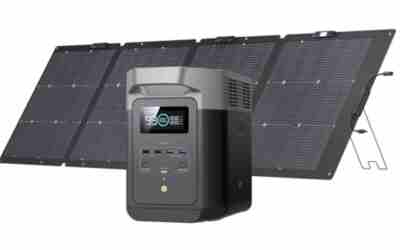
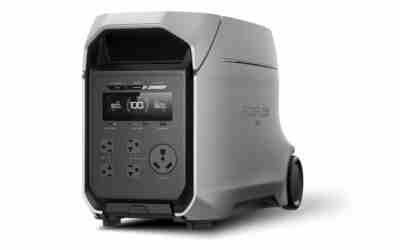
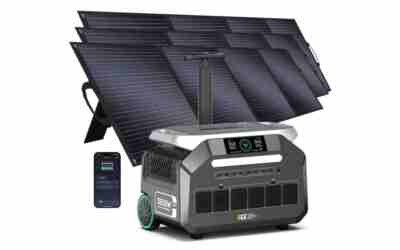
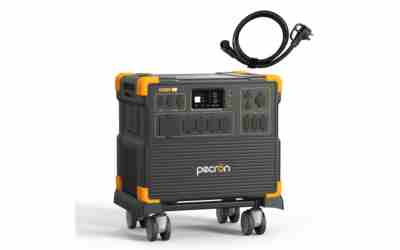
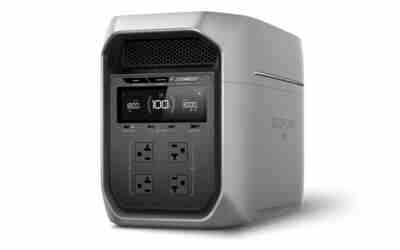
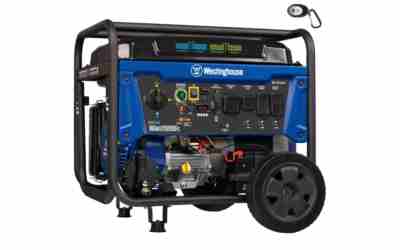
Our editorial team weighed EFECOFLOW's published specifications and how it stacks up against similar products in the generators category. What stands out: Massive Power & Expandability, Fast Multi-Method Charging, and Seamless App Integration. Where it falls short: Heavy at 186 lbs and Some Accessories Sold Separately. That puts it at 8.1/10 on our WG Score – an excellent, well-rounded option.
 Reviewed byDaniel
When the power goes out unexpectedly, having a reliable backup source can keep your home running smoothly. Whether it’s a storm, grid failure, or planned outage, the battery backup generators for home listed here are designed to provide peace of mind. In November 2026, we’ve analyzed 5 leading models to help you choose the right one for your needs.
Our selection process focuses on key factors like battery capacity (Wh), AC output watts, recharge options, and overall reliability. Whether you need a compact unit for occasional use or a high-capacity, expandable power station for whole-home backup, this guide covers options from DJI, BLUETTI, EcoFlow. For more on how we evaluate, check our best generators for home backup power guide.
Pros
- World's smallest 3kWh design verified by Frost & Sullivan for superior portability
- Long-life LiFePO4 battery with 6000+ cycles to 80% capacity
- Versatile inputs and outputs including RV-specific ports
- Fast 10ms UPS and pass-through charging for uninterrupted power
- App integration for customizable remote control
Cons
- Weighs 58 pounds, limiting handheld portability for some users
- Requires app for advanced features, which may not suit everyone
- New model with limited real-world user feedback available
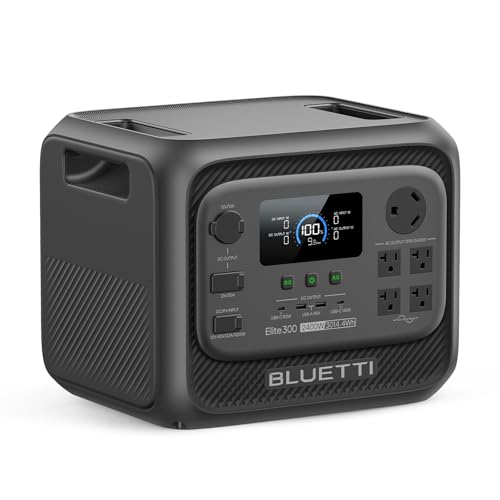
The BLUETTI Elite 300 is a groundbreaking portable power station packing 3014Wh of LiFePO4 battery capacity into the world's smallest 3kWh footprint, as verified by Frost & Sullivan. It targets homeowners facing power outages and RV enthusiasts needing reliable off-grid energy, with dedicated TT-30 RV and 12V/30A DC ports for direct appliance connections.
Standout features include 2400W AC output with 4800W surge to run fridges, lights, routers, TVs, and even start high-demand devices like kettles. The 10ms UPS function ensures critical gear like computers stays online during blackouts, while pass-through charging lets it power devices during recharges. Fast solar input up to 1200W and app-controlled scheduling add flexibility for home backups or camping.
Build quality shines with a durable LiFePO4 battery rated for 6000+ cycles, compact dimensions of 14.4 x 12 x 11.7 inches, and intuitive app via Bluetooth or Wi-Fi for monitoring and customization. At 58 pounds, it balances power and portability but may require two hands for moving.
Drawbacks include its weight for solo transport and reliance on the app for full smart features. As a newer release, long-term user data is emerging.
Overall, the Elite 300 excels as a versatile, space-saving powerhouse for emergency home use and RV adventures, earning strong recommendation for those prioritizing compact reliability.
Capacity: 3014Wh LiFePO4 (6000+ cycles)
Output: 2400W AC (4800W surge), TT-30 RV, 12V/30A DC
Inputs: 1800W AC, 1200W solar, car charger
Dimensions: 14.4 x 12 x 11.7 inches, 58 lbs
Features: 10ms UPS, app control, pass-through charging

Pros
- Exceptional battery longevity and safety with LiFePO4 chemistry
- Abundant ports including high-power AC, USB-C, and XT60 for versatility
- Silent and app-managed for nighttime or indoor use without disturbance
- Rapid charging and solar compatibility for quick recharges
- Robust 7-year warranty backed by 24/7 support
Cons
- At 48.5 pounds, it requires two hands for transport
- Limited after-sales service in remote areas like Alaska or Hawaii
- Higher initial weight compared to smaller capacity competitors
The AFERIY P210 portable power station is a powerhouse designed for homeowners seeking reliable backup during outages, campers needing off-grid energy, and DIY enthusiasts powering tools remotely. With a massive 2048Wh capacity and 2400W output peaking at 4800W, it handles demanding appliances like fridges, microwaves, or power tools while supporting solar input up to 500W for sustainable recharging.
Standout features include a server-level UPS with under 10ms switchover to prevent data loss on computers or interruptions to CPAP machines, pure sine wave output for safe electronics operation, and 16 ports covering every need from 6 AC outlets to fast USB-C and XT60 DC. Real-world performance shines in silent mode below 30dB, app-based monitoring for optimized usage, and full recharge in about 1.5 hours via AC+PV, making it a go-to for extended blackouts or weekend adventures.
Build quality impresses with a compact 48.5lb high-density LiFePO4 battery pack that's 20% lighter than peers, rugged ABS casing, and premium components earning a 7-year warranty. The intuitive app adds smart automation, while included accessories like MC4-XT90 cables enhance solar versatility with third-party panels.
Drawbacks include its heft for solo carrying and restricted support in outlying regions, but these pale against its value for frequent users. Overall, the P210 delivers unmatched reliability and longevity, earning top marks for those prioritizing durable, feature-packed portable power.
Capacity: 2048Wh LiFePO4 Battery (3500+ cycles)
Output: 2400W Continuous (4800W Surge), Pure Sine Wave
Ports: 6 AC, 2 USB-A, 4 USB-C (20W+100W), 2 DC5521, 1 Car Port, 1 XT60
Charging: AC 1100W (1.5H with PV), Solar 500W Max
UPS: <10ms Switchover
Weight/Dims: 48.5 lbs, 15.43 x 10.98 x 12.72 inches
Warranty: 7 Years
Ideal for home backup if you run essentials like fridge (8-10H), lights, and fans during outages. Campers get 20+ phone charges or laptop runtime for days. Check device wattage against 2400W limit; use formula: runtime = (2048Wh * 0.85) / device watts.
For solar setups, pair with 200-400W panels for fastest recharges. Enable UPS via app: Settings > Standby Time > Never Shut Off. Compatible with most market panels via XT90 (11.5-50V, 20A max).
Opt for bundles with S200/S400 panels if going solar. Buy extended warranty for remote areas.

Pros
- High 3000W output handles power tools, grills, and TVs simultaneously
- Fast recharge and long 10-year LFP battery lifespan
- Expandable system with up to 10 batteries for massive capacity
- Rugged, safe design with flame-retardant materials and quiet operation
- Versatile ports including DJI drone fast-charge
Cons
- Heavy at 48.5 lbs, requires effort to transport without wheels
- Occasional unexpected sleep mode interrupts use
- App connectivity can feel limited for advanced settings
The DJI Power 2000 is a compact 2048Wh LFP portable power station designed for demanding users like campers, RVers, off-grid enthusiasts, and homeowners seeking reliable backup power. With 3000W continuous output and a 4500W peak, it runs high-draw appliances such as kettles, power tools, projectors, and even pellet grills without breaking a sweat, making it a versatile electric generator alternative to noisy gas models.
Standout performance shines in real-world scenarios: recharges to 80% in just 55 minutes via AC, supports up to 1800W solar input, and offers seamless 10ms UPS switching for uninterrupted device protection. Reviews praise its ability to replace gas generators for business tools, run Starlink and TVs for hours, and provide quiet power on boats or job sites. Expansion to 22.5kWh with add-on batteries ensures extended runtime for blackouts or remote adventures.
Build quality impresses with a flame-retardant housing, sub-nano coatings, and smart BMS for safety in wet or rugged conditions, plus ultra-quiet 30dB operation quieter than a whisper. At 17.6 x 8.8 x 12.7 inches and 48.5 lbs, it's portable yet sturdy, with 15 ports including dual 140W USB-C and DJI-specific fast-charge options. Wireless app control via DJI Home adds convenience for monitoring.
Drawbacks include its weight, which may need a trolley for easy movement, rare sleep mode glitches, and app quirks for some advanced features. Overall, the DJI Power 2000 earns high marks for power density, speed, and reliability, making it a top pick for those prioritizing performance over lightness.
Capacity: 2048Wh LFP battery
Output: 3000W continuous (4500W peak), 15 ports including 4 AC, 4 USB-C (140W max), 4 USB-A
Recharge: 0-80% in 55 mins (AC), supports solar up to 1800W
Noise: 30dB ultra-quiet
Dimensions/Weight: 17.6 x 8.8 x 12.7 inches, 48.5 lbs
Other: 10ms UPS, expandable to 22.5kWh, app control, 10-year lifespan
Compared to DJI Power 1000 series, the Power 2000 doubles capacity to 2048Wh while matching 3000W output in bundled solar kits, but at higher weight. It outperforms smaller models in runtime for heavy loads and expansion potential.
Ideal if you need more power than 1000Wh units; choose bundles with 100W/200W Zignes solar panels for off-grid setups. Best for high-demand users vs lighter options for basic camping.

Pros
- Expandable up to 11kWh for versatile power needs
- Whisper-quiet 25dB operation under load
- <10ms UPS for instant outage protection
- Six fast charging options for any scenario
- 10-year lifespan with advanced battery management
Cons
- Solar panels not included, requiring separate purchase
- Large capacity may exceed needs for basic portable use
- Full app features demand smartphone setup
The EcoFlow DELTA 3 Ultra Plus is a robust portable power station designed for homeowners facing blackouts, RV enthusiasts, and off-grid campers seeking reliable energy. With a 3072Wh LiFePO4 battery, it powers heavy-duty appliances up to 3600W continuously and surges to 7200W, while expanding to 11kWh covers extended needs without frequent recharges.
Standout features include <10ms UPS switching to protect sensitive electronics during outages, X-Quiet 3.0 for 25dB operation quieter than a whisper, and six charging paths from outlets to solar for 80% capacity in under an hour. Real-world performance shines in home backups, powering fridges and tools silently, or sustaining RV setups through multi-day trips.
Build quality impresses with EV-grade CTC structure, Class B EMC certification, and 24/7 smart management for extreme temperatures and loads, promising 10 years of use. The app enables scheduling and priority control, enhancing efficiency indoors or outdoors.
Potential drawbacks involve separate solar panel purchases and a learning curve for app optimization. Its size suits stationary or vehicle use over ultra-portable scenarios.
Overall, the DELTA 3 Ultra Plus excels as a future-proof power solution for demanding lifestyles, delivering unmatched reliability and quiet power.
Capacity: 3072Wh, expandable to 11kWh
Output: 3600W continuous (7200W surge)
Battery: LiFePO4
UPS: <10ms switch
Noise: 25dB under load
Charging: X-Stream to 80% in under 1 hour, 6 methods
Durability: 10-year lifespan, extreme environment resistance

Pros
- Massive power and expandability handle full home loads reliably during outages
- Fast multi-method charging keeps it ready without downtime
- Seamless app integration for smart energy management and monitoring
- Quiet and mobile with wheels for easy positioning
- Proven real-world performance in powering essentials for days
Cons
- Extremely heavy at 186 lbs, best moved with help or wheels
- Certain cables and accessories require separate purchase
- Occasional customer service inconsistencies reported
The EcoFlow DELTA Pro Ultra is a premium whole-home power station combining a 6144Wh LiFePO4 battery and high-output inverter, ideal for homeowners, RV enthusiasts, and campers seeking robust backup power. With 7200W 120/240V AC output, it runs demanding appliances like central air conditioners, refrigerators, and well pumps, while expanding up to 90kWh for extended blackouts or off-grid living.
Standout performance shines in real-world use, with users powering entire homes for days during outages, balancing solar inputs automatically, and offsetting grid draws to top off batteries by midday. Fast 2-hour full charges via solar, AC, or generators ensure quick recovery, and the 0ms online UPS delivers seamless protection for computers and medical devices. Reviewers praise its flawless integration with transfer switches and effortless handling of essentials like fridges and internet.
Build quality impresses with a durable, wheeled design for mobility despite the 186-pound weight, multiple ports including USB-C and DC, and Bluetooth app control for customizing circuits and schedules. Low noise levels, especially at startup, make it suitable for indoor use without disturbance.
Drawbacks include the hefty size requiring careful placement and occasional need for extra cables not included. Some users note variable support experiences, like digital manuals over printed ones.
Overall, the DELTA Pro Ultra excels as a versatile, future-proof power solution, earning high marks for reliability and innovation. Buy it if you want generator-like power without fuel hassles.
Capacity: 6144Wh LiFePO4, expandable to 90kWh
Output: 7200W AC (120/240V), up to 21.6kW with multiples
Charging: 2 hours full via AC/solar/EV, max 3000W AC input
UPS: Online 0ms / Backup <20ms
Ports: 6 AC, 2 USB-A, 2 USB-C (100W), DC
Weight/Dims: 186.4 lbs, 27.2 x 18.9 x 20.6 in (with wheels)
Warranty: 5 years
Battery Backup Generators For Home Buying Guide for 2026
Running vs Starting Watts
Understanding the difference between running (rated) watts and starting (surge) watts is crucial when selecting a generator. Running watts represent the continuous power needed to keep appliances on, while starting watts cover the initial surge required by motors (like refrigerators or sump pumps). Most home backup generators list both figures; ensure the unit’s starting wattage can handle the combined startup load of your essential devices. For example, a refrigerator may need 600 running watts but 1200 starting watts.
When comparing models, always prioritize the starting wattage over running wattage for safety. A generator that can’t handle startup surges may trip breakers or fail to power your equipment. For more details on wattage calculations, refer to our best home generators for backup power article.
Battery Capacity & Recharging
Battery backup power stations store energy in lithium batteries, and most newer models use LiFePO4 chemistry for a long cycle life. Capacity is measured in watt-hours (Wh), while AC output watts tell you how many devices you can run at once. For instance, the AFERIY P210 offers 2048Wh with 2400W output, while the BLUETTI Elite 300 steps up to 3014Wh. Consider how long you may need backup power and choose a unit with enough capacity for your situation.
You can recharge a power station from a wall outlet, solar panels, or a car, so check which input options each model supports. Expandable models let you add capacity over time. For those interested in solar options, see our best solar generators for home backup consumer reports.
Noise Level
Unlike gas generators, power stations run silently, which is especially important for nighttime use or in neighborhoods with sound restrictions. With no exhaust, they are also safe to use indoors, making them a good fit for living spaces, apartments, and home backup setups. The AFERIY P210, DJI Power 2000, and BLUETTI Elite 300 all offer quiet, battery-based power. Check local rules if you plan to use them in shared spaces.
Portability & Weight
Home backup power stations range from compact portable units to large, expandable whole-home systems. If you need to move the unit between rooms or take it camping, size and handles matter. Many models are portable enough for one person, while larger systems like the EcoFlow DELTA Pro Ultra are built more for stationary home use. The BLUETTI Elite 300 is billed as the smallest 3kWh LiFePO4 solar generator, making it a compact choice for its capacity. Check each product’s listed specs for exact dimensions and weight.
Consider where you will place the power station and whether you need to transport it for camping or tailgating. Compact units are easier to handle, but may have lower capacity or output. For more on portable options, check our best generators for camping trailers.
Outlets & Transfer Switch Compatibility
The number and type of outlets determine what you can plug directly into the power station. Standard 120V household outlets are fine for individual appliances, but for whole-home backup you need a model with 120/240V output that can connect to your home’s panel. The EcoFlow DELTA Pro Ultra delivers 7200W of 120/240V output and is expandable to 90kWh. If you plan to power multiple circuits, a proper home integration setup is safer than extension cords.
USB ports are convenient for charging phones and tablets. Some models also feature parallel capability, allowing you to combine two generators for more power. This is useful if you start with a smaller unit and later expand.
Inverter vs Conventional Technology
Power stations with pure sine wave inverters produce clean power, making them safe for sensitive electronics like laptops and TVs. They are also silent and need no fuel, oil, or engine upkeep. LiFePO4 batteries offer a long cycle life, so they hold up to years of regular use. For home backup, a battery power station is often the better choice, especially if you plan to power multiple devices indoors. The EcoFlow DELTA 3 Ultra Plus is a strong example, with 3072Wh and 3600W output.
Conventional generators are generally cheaper per watt and can handle larger loads, but they are louder and less efficient. If you only need to power heavy tools or non-sensitive equipment, a conventional unit may suffice. However, for modern homes with many electronics, inverter technology is recommended.
Quick Comparison: Battery Backup Generators For Home Side by Side
- – Exceptional LiFePO4 Longevity.
- – Abundant Ports incl. XT60.
- – Silent, App-Managed Operation.
- – 3000W Output.
- – 10-Year LFP Lifespan.
- – Expandable to 10 Batteries.
- – World's Smallest 3kWh Design.
- – 6,000+ Cycle LiFePO4 Battery.
- – RV-Specific Ports.
- – Massive Power & Expandability.
- – Fast Multi-Method Charging.
- – Seamless App Integration.
- – Expandable to 11kWh.
- – Whisper-Quiet at 25dB.
- – <10ms UPS Protection.
- – Heavy at 48.5 lbs.
- – Limited Support in Remote Areas.
- – Heavier Than Smaller Competitors.
- – Heavy at 48.5 lbs, No Wheels.
- – Occasional Unexpected Sleep Mode.
- – Limited App Settings.
- – Heavy at 58 lbs.
- – Requires App for Advanced Features.
- – Limited Real-World Feedback (New Model).
- – Heavy at 186 lbs.
- – Some Accessories Sold Separately.
- – Occasional Customer Service Issues.
- – Solar Panels Not Included.
- – May Exceed Needs for Basic Use.
- – Requires Smartphone App Setup.
Why Trust Our Battery Backup Generators For Home Reviews
At WikiGenerators.com, we base our recommendations on thorough analysis of technical specifications, user feedback aggregated from verified purchasers, and industry standards. We do not claim hands-on testing of every model; instead, we evaluate data from multiple sources to provide objective comparisons. Our team focuses on key performance metrics such as battery capacity, AC output watts, recharge options, and safety features. We also review manufacturer documentation and third-party reports to ensure accuracy.
As an Amazon Associate, we earn from qualifying purchases. This does not influence our rankings or content. Our goal is to help you make an informed decision based on your specific needs and budget. For more details on our methodology, visit our Home Backup category page.
Battery Backup Generators For Home: Our Final Picks for 2026
Best Overall: AFERIY P210 2048Wh Portable Power Station 2400W (4800W Surge) LiFePO4 UPS Generator Home Backup Camping Solar Ready
The AFERIY P210 packs 2048Wh of LiFePO4 battery capacity and 2400W of AC output, with a 4800W surge rating for demanding startup loads. Its UPS function helps keep devices running if the power goes out, and it supports solar recharging for flexible energy input. With silent operation and no exhaust, it is safe to use indoors, making it an excellent choice for home backup or camping. For more on backup options, see our best backup generators home use guide.
View on Amazon.comBest Value: DJI Power 2000 2048Wh LFP Portable Power Station | 3000W Solar Generator for Camping, RV, Home Backup – 55Min Fast Recharge
The DJI Power 2000 offers an outstanding balance of capacity and output. With 2048Wh of LFP battery capacity and 3000W of output, it can power essential home appliances during an outage. Its silent operation and solar generator design make it a practical choice for home backup, camping, and RV use. The listing also highlights fast charging, so it can be topped up quickly from the wall. This model is a strong option for versatile backup power.
View on Amazon.comBest for Whole Home Backup: EcoFlow DELTA Pro Ultra 6kWh Whole Home Power Station – 7200W 120/240V Output, Expandable to 90kWh, 2Hr Fast Charge Solar Generator
For those needing substantial power, the EcoFlow DELTA Pro Ultra delivers 7200W of 120/240V output from 6144Wh (6kWh) of battery capacity, and it is expandable to 90kWh. Its fast charging and whole-home design add convenience and peace of mind. The system is built for home integration, so it can support larger backup needs without fuel or engine noise. This model is ideal for larger homes or heavy-duty backup needs. For more on whole home solutions, visit our best whole home backup generators page.
View on Amazon.comRelated: Before choosing a home backup unit, read are battery operated generators any goodto see who benefits most from them.
Frequently Asked Questions About Battery Backup Generators For Home
Which battery backup generators for home should I buy in 2026?
The right choice depends on your power needs, budget, and portability requirements. For most homes, a mid-range power station like the DJI Power 2000 offers a great balance of features and capacity. If you need higher output, consider a whole-home system like the EcoFlow DELTA Pro Ultra. For compact capacity and expandability, the BLUETTI Elite 300 and EcoFlow DELTA 3 Ultra Plus are top picks.
How many watts do I need for home backup?
Calculate the starting watts of your essential appliances (refrigerator, lights, sump pump, furnace fan) and add a 20% buffer. A 2000-3000 watt generator can handle basics, while 5000+ watts may be needed for larger homes with multiple appliances. Always check the surge wattage to ensure the generator can handle startup loads.
Are LiFePO4 power stations worth the extra cost?
Yes, for home backup, LiFePO4 power stations are generally worth the investment because they offer a long cycle life, run silently, and need no fuel. They are also safe to use indoors and can be recharged from the wall, solar panels, or a car. The higher upfront cost is often offset by minimal maintenance and long battery life.
Can I run a generator indoors?
Yes, battery power stations are designed for indoor use because they have no exhaust and produce no carbon monoxide. Still, place the unit in a dry, well-ventilated spot away from heat sources, and follow the manufacturer’s instructions. Models with UPS functions like the AFERIY P210 add convenience during outages, but proper placement and use still matter.
How do I maintain a portable generator?
Maintenance for a power station is minimal. Store it in a cool, dry place, and avoid leaving the battery fully drained for long periods. Recharge it periodically, ideally every few months, to keep the battery in good condition. Use only the cables and solar panels recommended by the manufacturer. For more tips, see our Emergency Power category page.
Have questions about our battery backup generators for home recommendations? Check out our How We Rank page for details on our review process or our Copyright Policy for information on content usage.