
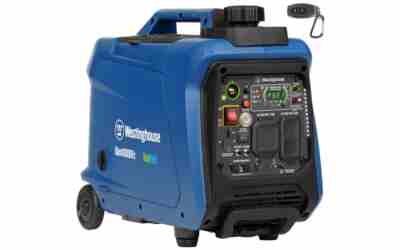
How Much Generator Do I Need? Wattage Calculator
How much generator do I need? Add running watts and your largest starting surge, divide by 0.8: typical home backup loads need 2,600 to 7,000 watts.
We independently review everything we recommend. When you buy through our links, we may earn a commission. As an Amazon Associate we earn from qualifying purchases. Learn more ›
In-depth educational guides on generator and power station concepts, safety, and buying decisions.
How much generator do I need? Add running watts and your largest starting surge, divide by 0.8: typical home backup loads need 2,600 to 7,000 watts.
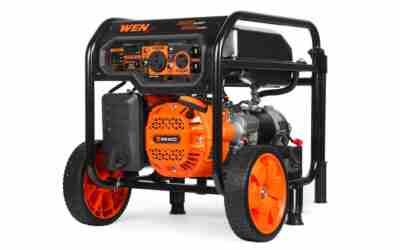
How often to start a generator: once a month for 20 minutes under load, unless your manual says otherwise. Get the steps, log and storage rules.
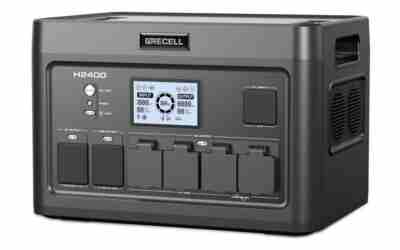
You can use a solar generator indoors because it has no exhaust or carbon monoxide; keep vents clear, stay dry and put the panels outside.
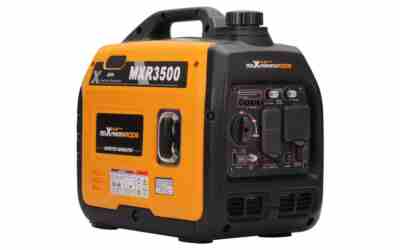
Do I need a generator? Yes if outages last a day or longer or you rely on a sump pump, well pump or medical device; a power station may suit short ones.
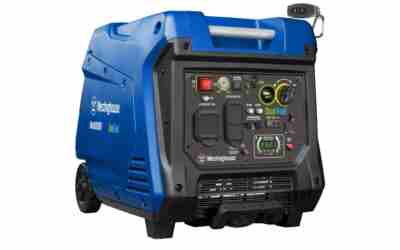
Are all generators inverters? No. Inverter models run power through a DC stage for clean AC; conventional ones don't. Here's how to tell them apart.
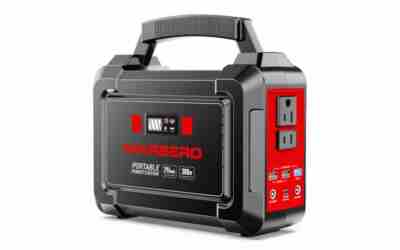
How a solar generator works: panels charge a battery, an inverter makes 120V AC, plus worked runtime and recharge-time examples for real loads.
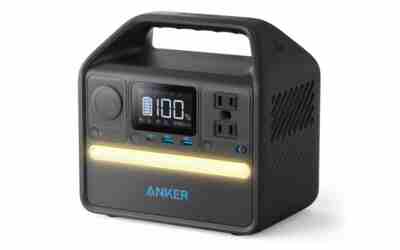
Solar generator house runtime: a 10 kWh unit runs essentials about 2 days but whole-house loads only about 7 hours, before any solar recharge.
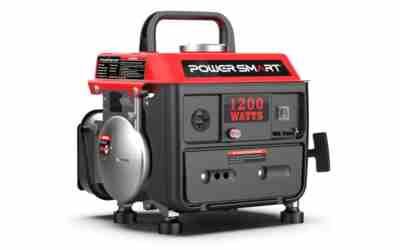
Backup generator size: most homes need 5,000–7,500 watts for essentials and 15,000–22,000 watts for whole-house backup. Here is how to calculate yours.
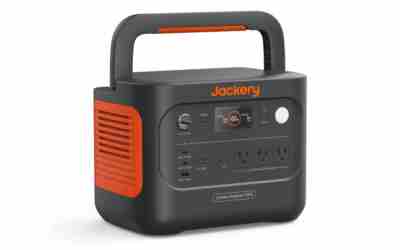
You can install a home solar generator as plug-and-play, but feeding your house panel takes an electrician, permit and a transfer switch or interlock.
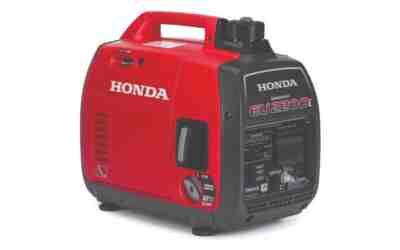
Generator power to run a refrigerator: plan on about 700 running watts and 2,100 starting watts, then add other loads. Worked examples included.