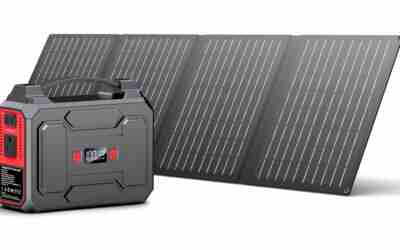
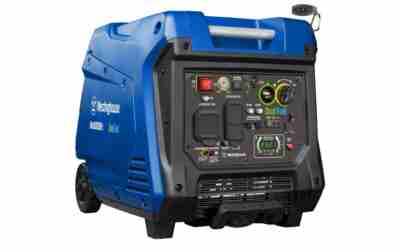
Our editorial team weighed WEN's published specifications and how it stacks up against similar products in the generators category. What stands out: Ample Power for Multiple Appliances, CO Sensor & Multiple Outlet Types, and Long Runtime. Where it falls short: Heavy at 120 lbs and Needs Regular Fuel & Maintenance. That puts it at 8.2/10 on our WG Score – an excellent, well-rounded option.
 Reviewed byEthan
To start a portable generator, set it up outdoors, check oil and fuel, open the fuel valve, set the choke, then pull the cord or press start. Below are the pre-start checks, numbered steps for recoil and electric start, the order for connecting appliances, a no-start fix table and the shutdown routine.
Pre-start checks before you start a portable generator
Read the owner’s manual first. Oil capacity, switch names and fuel valve location differ by model. Then run these six checks every time:
- Placement: level, dry ground outdoors, exhaust pointed away from every building (distance rules are in the carbon monoxide section below).
- Oil: with the unit level, check the dipstick and top up to the full mark with the oil type the manual names. A low-oil sensor will shut the engine off or block starting.
- Fuel: with the engine off and cool, fill with fresh gasoline of the grade the manual lists. Fuel left from last season is a common cause of no-start, so replace it if you are unsure.
- Air filter and spark plug: filter clean and seated, plug wire firmly attached.
- Loads: nothing plugged in and the generator’s own breakers off.
- Leaks and cords: no fuel smell or drips, and extension cords undamaged and rated for the load.
Steps to start a portable generator with a recoil pull
These are the usual steps for a cold engine. Switch labels vary, so match them to your manual.
- Turn the fuel valve to on if your model has one.
- Move the choke to the start/closed position.
- Set the engine switch to on/run.
- Grip the handle and pull slowly until you feel resistance, then pull fast and firm in a straight line. Keep your feet braced and don’t let the cord snap back.
- When the engine fires, move the choke toward run in small steps. If it surges, pause between steps.
- Leave it running with nothing connected until it settles into a steady sound.
If the engine is already warm from a recent run, leave the choke at run or use only a partial setting.
Electric start: steps and what to do with a dead battery
- Open the fuel valve and set the choke for a cold engine as your manual directs.
- Confirm the battery is connected. Some models ship with it disconnected or need it installed before first use.
- Turn the key to start or press the start button. Crank in short bursts and rest between tries so you don’t drain the battery or overheat the starter.
- Release the key or button as soon as the engine runs.
- Ease the choke to run, then let the engine run with no load until it is steady.
If the battery is dead, use the recoil backup if your model has one. Otherwise charge or replace the battery as the manual describes.
When to connect appliances after you start the generator
Wait until the engine has run steadily with no load for a few minutes and the choke is off. A cold, choked engine can stall under load, and unstable voltage at the start can stress sensitive electronics.
Then switch on the generator’s breaker and connect one item at a time, with the largest motor load first so its starting surge fits in the available capacity. The example below uses typical nameplate values on a generator rated 3,500 running watts. Check your own labels.
| Step | Appliance | Running watts | Starting watts | Running total |
|---|---|---|---|---|
| 1 | Refrigerator | 700 | 2,100 | 700 |
| 2 | Sump pump | 800 | 2,400 | 1,500 |
| 3 | Lights | 120 | 120 | 1,620 |
| 4 | Microwave | 1,000 | 1,000 | 2,620 |
The tightest moment is step 2: 700 running watts from the refrigerator plus the pump’s 2,400 starting watts is 3,100, which is under 3,500. The final running total of 2,620 also fits.
To power the house, never plug the generator into a wall outlet. Back-feeding is illegal, endangers utility workers and can start fires. Use a transfer switch or interlock installed by a licensed electrician to local code.
Portable generator won’t start: symptom-to-fix table
Work from the cheapest check to the hardest. For a longer diagnostic, see this generator won’t start troubleshooting checklist.
| Symptom | Likely cause | Quick fix |
|---|---|---|
| Pulls or cranks, no sign of firing | Fuel valve or engine switch off, wrong choke setting | Recheck all three against the start steps |
| Starts, then dies at once | Low oil sensor | Level the unit and fill oil to the full mark |
| Sputters, surges or dies | Stale fuel or a clogged carburetor | Drain old fuel, refill with fresh fuel; clean the carburetor if it persists |
| Smells of gas, won’t catch | Flooded by too much choke | Choke off, wait several minutes, try again |
| No spark or weak spark | Fouled spark plug | Remove, clean or replace with the plug type in the manual |
| Electric start only clicks | Weak or dead battery | Use the recoil backup or charge the battery |
After months in storage, assume the fuel is bad. Drain the tank and carburetor bowl as the manual describes, add fresh fuel, and use a stabilizer going forward. If a new plug, fresh fuel and correct oil don’t fix it, a technician should handle the carburetor or ignition.
Carbon monoxide rules while the generator runs
The CPSC estimates about 85 US deaths a year from carbon monoxide produced by gasoline portable generators. It advises running one outdoors at least 20 feet from the house, with the exhaust pointed away from the home and any building people can enter. Some manuals allow less, but the longer distance is the safer choice.
- Never run it in a garage, basement, crawlspace, shed or on a porch. Open doors, windows and fans don’t prevent buildup.
- Keep working CO alarms in the home and test them.
- Use a ventilated, open-sided generator canopy in rain or snow, never an enclosed space.
More details are in our portable generator safety rules.
How to shut down a portable generator
- Turn off and unplug every appliance, then switch off the generator’s breakers.
- Let the engine run with no load for a couple of minutes to cool.
- Set the engine switch to off.
- Close the fuel valve. If you’re storing it, follow the manual on running the carburetor dry.
- Let the engine cool completely before refueling. Never add fuel to a running or hot generator.
Our Top Picks
Ready to shop? These are the top-rated options from our related roundup, Best Electric Start Portable Generators of 2026.
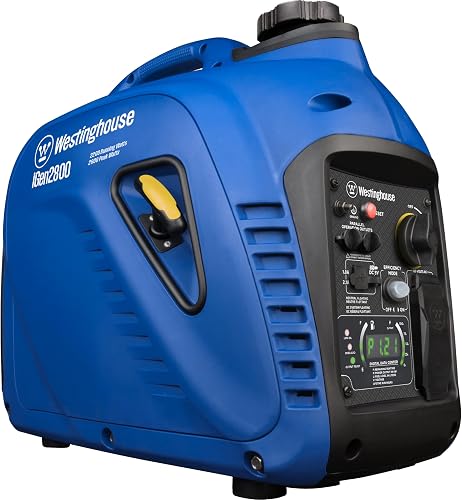
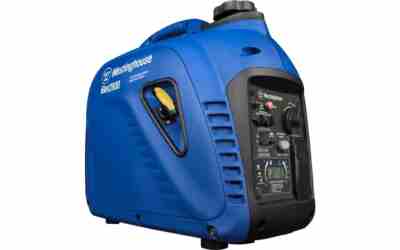
Westinghouse iGen2800 2800 Peak Watt Super Quiet Lightweight Portable Inverter Generator - Gas Powered, Parallel Ready

WEN GN5602X 5600W Portable Generator Electric Start RV-Ready CO Sensor 4500 Running Watts

WEN RV-Ready 4000-Watt Open Frame Inverter Generator GN400iM
As an Amazon Associate we earn from qualifying purchases. Product prices and availability are accurate as of the date/time indicated.
Frequently Asked Questions
Do I need the choke when the generator is already warm?
Usually not. A warm engine normally starts with the choke at run. If it won’t catch after a few pulls, try a partial choke setting, then move it back to run as soon as the engine steadies.
Can I start a generator in the rain?
Only under an open-sided, ventilated generator canopy or tent made for the job, with the exhaust clear and the unit on dry ground. Never move it into a garage or porch to stay dry.
Can I use starting fluid to get it going?
Avoid it unless your manual says it is allowed. Starting fluid can damage the engine and cause backfires. Fix the underlying cause instead, which is usually stale fuel, a fouled plug or low oil.
Can I leave the key on after an electric start engine shuts off?
No. Turn the key or switch to off after any shutdown. Leaving it on can drain the battery, which is a common reason electric start models only click the next time you try.
{“@context”: “https://schema.org”, “@type”: “FAQPage”, “mainEntity”: [{“@type”: “Question”, “name”: “Do I need the choke when the generator is already warm?”, “acceptedAnswer”: {“@type”: “Answer”, “text”: “Usually not. A warm engine normally starts with the choke at run. If it won’t catch after a few pulls, try a partial choke setting, then move it back to run as soon as the engine steadies.”}}, {“@type”: “Question”, “name”: “Can I start a generator in the rain?”, “acceptedAnswer”: {“@type”: “Answer”, “text”: “Only under an open-sided, ventilated generator canopy or tent made for the job, with the exhaust clear and the unit on dry ground. Never move it into a garage or porch to stay dry.”}}, {“@type”: “Question”, “name”: “Can I use starting fluid to get it going?”, “acceptedAnswer”: {“@type”: “Answer”, “text”: “Avoid it unless your manual says it is allowed. Starting fluid can damage the engine and cause backfires. Fix the underlying cause instead, which is usually stale fuel, a fouled plug or low oil.”}}, {“@type”: “Question”, “name”: “Can I leave the key on after an electric start engine shuts off?”, “acceptedAnswer”: {“@type”: “Answer”, “text”: “No. Turn the key or switch to off after any shutdown. Leaving it on can drain the battery, which is a common reason electric start models only click the next time you try.”}}]}