
Every portable generator owner needs to follow the same core safety rules: run it outdoors at least 20 feet from your home, never backfeed it into a wall outlet, let it cool before refueling, keep it dry, and use properly rated cords. Most portable-generator injuries and deaths in the U.S. trace back to skipping one of these basics, not to equipment failure.
Carbon Monoxide: The Single Biggest Risk
This deserves its own dedicated attention — see our full carbon monoxide safety and 20-foot rule guide. In short: never run a generator in a garage, basement, or crawlspace, even with the door open, and install battery-powered CO alarms in your home.
Never Backfeed Power Into Your Home’s Wiring
Plugging a generator directly into a wall outlet to power your house’s wiring (“backfeeding”) can send power back down the utility line and electrocute a lineworker repairing it during an outage — and it’s illegal in most U.S. jurisdictions without a proper transfer switch or interlock kit. See our best home standby generators guide if you want whole-house-capable backup done correctly, and always use a licensed electrician for a home-wiring hookup.
Fuel Handling
- Always let the engine cool before refueling — gasoline splashed on a hot muffler can ignite.
- Store gasoline in an approved container, away from the generator itself and away from any ignition source.
- Never refuel indoors or near an open flame.
Electrical and Weather Safety
- Never operate a generator with wet hands, or in standing water.
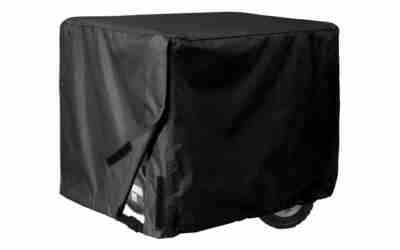
- Use a generator tent/canopy rated for wet-weather operation rather than running it fully exposed in rain — see our dedicated guide on best backup generators for home if bad-weather reliability is your priority.
- Use heavy-duty, outdoor-rated extension cords sized correctly for your load and distance — an undersized cord can overheat.
Basic Operating Habits Worth Building
Start the generator before connecting appliances, and connect your highest-surge appliance (like a refrigerator) first while others are off, then add the rest one at a time. This spreads out starting-watt spikes instead of hitting the generator with several at once. Turn everything off before shutting the generator down, too, to avoid a startup surge the next time you fire it up with everything already plugged in.
Choosing a Generator With Safety Features Built In
Look for models with an automatic CO shutoff sensor, GFCI-protected outlets, and low-oil automatic shutdown — these are real, meaningful safety layers, not marketing fluff. Our best portable generators for home backup roundup calls out these features model by model.
Frequently Asked Questions About Portable Generator Safety
Is it safe to run a generator under a covered porch during rain?
No — a covered porch attached to the house is still too close to windows, doors, and vents for safe carbon monoxide dispersal. Generators need to run fully in the open, at least 20 feet from the home.
Can I plug my generator directly into my home’s electrical panel?
Only through a properly installed transfer switch or interlock kit, never by plugging directly into a wall outlet. Backfeeding without one is dangerous and illegal in most areas.
How do I know if my extension cord is rated for generator use?
Look for an outdoor-rated, heavy-gauge cord explicitly sized for your load’s amperage and the distance you’re running it — thinner household cords aren’t designed for sustained heavy generator loads.
Should I turn a generator off before refueling?
Yes, always — shut it down and let it cool first. Refueling a hot, running generator is a real fire risk.
What generator safety feature matters most for home backup use?
An automatic carbon monoxide shutoff sensor is arguably the single most valuable added safety feature, since it protects against the leading cause of portable-generator-related deaths even if placement rules are accidentally not followed perfectly.