Our editorial team weighed PowerSmart's published specifications and how it stacks up against similar products in the generators category. What stands out: Dual Fuel Flexibility, Quiet Operation, and Reliable Recoil Start, Solid Build. Where it falls short: Manual Recoil Start, Harder in Cold and ~4-Hour Runtime at 50% Load. That puts it at 8.4/10 on our WG Score – an excellent, well-rounded option.
 Reviewed byDaniel
No, you shouldn’t let a generator sit out in the rain uncovered: run it only under an open canopy on dry ground, keep it covered and dry when it is off, and let it dry fully before you restart it.
Why rain and a generator don’t mix
Rain affects a generator differently depending on whether it is running or sitting idle, and both cases cause problems.
Running in the rain
The main danger is electrical. Water reaching the outlets, control panel or wiring can cause a short, trip the breaker, or put current where it shouldn’t be. Someone touching a wet generator with wet hands, or standing in a puddle while plugging in a cord, can be shocked. In severe cases, water getting inside can lead to a fire.
Sitting idle in the rain
An idle generator can’t shock anyone, but it can still be damaged. Moisture can get into the air filter, fuel system and carburetor, corrode outlet and plug contacts, and rust the frame and fasteners. Open-frame models are more exposed than enclosed inverter units, but neither is meant to sit out in a downpour for days.
The short version: keep it dry when it is off, and run it only under proper cover. Your owner’s manual is the final word on what your model tolerates.
How to run a generator in the rain safely
The goal is to keep rain off the unit while leaving the sides open so exhaust and heat can escape. The Consumer Product Safety Commission (CPSC) describes running a generator under an open, canopy-like structure on a dry surface where water can’t puddle or drain beneath it. Here is how the common options compare.
| Option | Keeps rain off while running? | Main trade-off |
|---|---|---|
| Open-sided canopy tent | Yes, if the roof is fully above the unit and the sides stay open | Can blow over in wind; must be anchored |
| Manufacturer-approved running cover | Yes, when used as the manual describes | Made for specific models; a generic cover may not fit |
| Vented generator enclosure | Yes, designed for it | Needs the clearance the maker specifies on every side |
| Loose tarp or homemade wrap | Not reliably | Traps heat and blocks airflow |
Whichever you choose, face the open side away from the prevailing wind so rain doesn’t blow in, and keep the roof high enough that nothing touches the engine or muffler. Anchor the legs or weigh them down so a gust can’t shift the canopy onto the unit.
For more on snow, wind and storms, see our guide to running a generator safely in rain, snow and storms.
Where to put the generator: dry ground and distance from the house
Rain protection only matters if the spot is also safe for exhaust. Carbon monoxide (CO) from a generator is odorless and can kill.
- Distance: follow the manual or label; many say at least 20 feet from the house, with the exhaust pointed away from your home and from neighbors’ windows and doors.
- Ground: choose firm, level, raised or sloped-away ground so water can’t pool or run under the unit. Skip low spots, dips beside a downspout and places where snow drifts.
- Windows and doors: keep nearby windows and other openings closed.
- Alarms: install battery-powered CO alarms inside the house and test them before you need them.
Places you must not run it
Never run a generator in a garage, even with the door open. The same goes for a carport, breezeway, shed, or under a porch roof or overhang. Those spots keep rain off, but they hold CO close to the house, where it can seep indoors. A freestanding canopy in open yard is the right answer; a roofed spot attached to the house is not.
Our portable generator safety rules cover CO and placement in more detail.
Why a tarp or homemade wrap is a bad idea
A tarp draped over a running generator is the most common shortcut, and one of the riskiest.
- Heat buildup: the engine and muffler get very hot. A tarp that traps that heat can overheat and damage the engine.
- Blocked airflow: the engine needs cooling air and a clear path for exhaust. A wrap can starve it or push exhaust back toward the unit.
- Fire risk: plastic or fabric touching the muffler or exhaust can melt or ignite.
- Wind: a loose tarp can flap onto hot parts or blow away mid-storm.
If you use a tarp at all, use it as the roof of a frame with open sides, held well above the generator, not as a wrap. A fitted fabric cover is a storage cover: use it only when the unit is off and cool, unless the manufacturer specifically approves it for running.
Cords and GFCI protection in wet weather
Rain makes your cords part of the risk, because the plug connections are where water and electricity meet.
- Use heavy-duty, outdoor-rated cords sized for the load, and stop using any cord with cracked insulation or damaged plugs.
- Keep plugs and connections off wet ground and out of puddles, for example by raising them onto a dry surface under the canopy.
- Use GFCI protection, either built into the generator’s outlets (if your manual says so) or through a portable GFCI adapter.
- Plug in and unplug with dry hands, and with the generator switched off if the manual says to.
Our guide to choosing the right extension cord for your generator covers cord gauge and length.
What to do if your generator gets wet
If rain hit the generator, don’t just pull the cord and hope. Work through these steps.
- Shut it off if it is running, and disconnect everything plugged in. Don’t touch it with wet hands or while standing in water.
- Move it to a dry, open, ventilated spot outdoors, or cover it from further rain.
- Wipe it down and let it dry fully. As a rule of thumb, allow several hours, and up to a full day if it was soaked.
- Check the air filter, oil and spark plug. A wet filter or spark plug should be dried or replaced, and oil that looks milky or has water in it should be changed.
- Inspect the outlets, cords and control panel for water, corrosion or damage.
- Check the manual for model-specific steps before restarting.
If water got inside the outlets, panel or wiring, or the unit tripped or sparked, have a qualified technician check it before use. They can test the electrical insulation, which you can’t judge by eye.
Keeping a generator dry in storage
Between outages, store the generator in a dry, ventilated place such as a shed or garage, after it has cooled completely. If it must stay outside, use a fitted storage cover only when the unit is off and cool, and keep the generator off wet ground, for example on a pad, pallet or stand.
Inverter vs open-frame models
Many inverter generators have an enclosed housing, so they look more weather-ready. That doesn’t make them rainproof. Whether a specific model can handle light rain depends on the manufacturer, so read the manual and still use a canopy.
Storms and high wind
Don’t run a generator in high wind, flooding or hurricane conditions. A canopy can blow away, and rising water is a shock hazard. If a storm is approaching, shut the unit down and let it cool before moving it under cover.
Our Top Picks
Ready to shop? These are the top-rated options from our hands-on roundup, Best Portable Generators Covers of 2026.
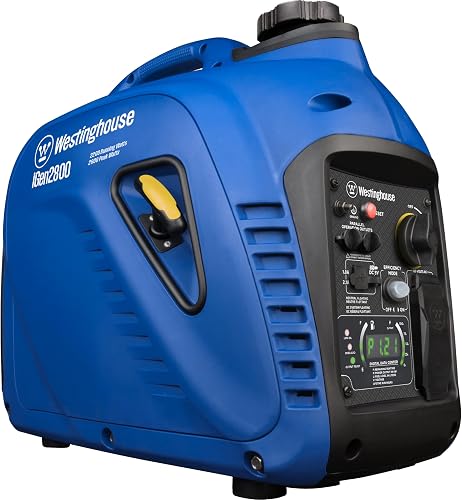
Westinghouse iGen2800 2800 Peak Watt Super Quiet Lightweight Portable Inverter Generator - Gas Powered, Parallel Ready

PowerSmart 3800 Watt Dual Fuel Inverter Generator Quiet Portable Gas Propane with CO Sensor RV Ready
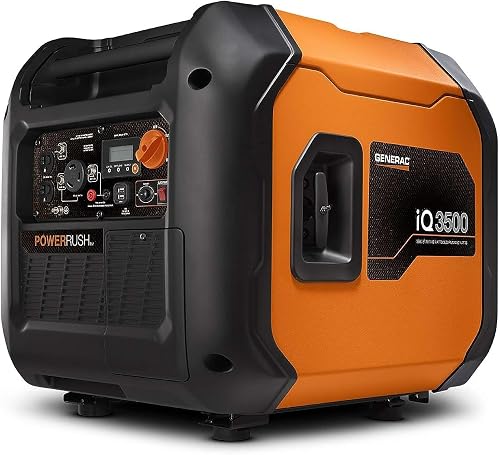
Generac iQ3500 3500W Portable Inverter Generator - Quiet, Lightweight, Electric Start, CARB Compliant for Camping & Jobsites
As an Amazon Associate we earn from qualifying purchases. Product prices and availability are accurate as of the date/time indicated.
Frequently Asked Questions
Can an inverter generator run in the rain?
Not unprotected. Enclosed housings don’t make an inverter generator waterproof. Whether yours tolerates light rain depends on the manufacturer, so check the manual, and still run it under an open canopy or approved cover on dry ground.
Is a generator tent or pop-up canopy safe in wind?
Only if it is anchored. A light pop-up canopy can lift or tip onto a hot, running unit. Stake or weigh down every leg, keep the roof well above the muffler, and shut the generator down if gusts start moving the frame. In high wind, don’t run it at all.
What should I do if rain starts while the generator is running?
Stay calm and don’t touch it with wet hands. If you can reach the switches from a dry spot, turn off the loads, then the generator, and let it cool. Then put a canopy over it before restarting, and inspect the outlets and cords for water.
How long should I wait to start a generator after it got wet?
As a rule of thumb, let it dry for several hours, and up to a full day if it was soaked. Then check the oil, air filter, spark plug, outlets and cords. If water got into the outlets or wiring, have a technician inspect it first.
Can a generator be ruined by rain when it’s not running?
Yes, over time. Moisture can wet the air filter, contaminate fuel and oil, corrode outlets and plugs, and rust the frame. One light shower is rarely fatal, but repeated soaking shortens a generator’s life, so cover it when it is off and cool.
{“@context”: “https://schema.org”, “@type”: “FAQPage”, “mainEntity”: [{“@type”: “Question”, “name”: “Can an inverter generator run in the rain?”, “acceptedAnswer”: {“@type”: “Answer”, “text”: “Not unprotected. Enclosed housings don’t make an inverter generator waterproof. Whether yours tolerates light rain depends on the manufacturer, so check the manual, and still run it under an open canopy or approved cover on dry ground.”}}, {“@type”: “Question”, “name”: “Is a generator tent or pop-up canopy safe in wind?”, “acceptedAnswer”: {“@type”: “Answer”, “text”: “Only if it is anchored. A light pop-up canopy can lift or tip onto a hot, running unit. Stake or weigh down every leg, keep the roof well above the muffler, and shut the generator down if gusts start moving the frame. In high wind, don’t run it at all.”}}, {“@type”: “Question”, “name”: “What should I do if rain starts while the generator is running?”, “acceptedAnswer”: {“@type”: “Answer”, “text”: “Stay calm and don’t touch it with wet hands. If you can reach the switches from a dry spot, turn off the loads, then the generator, and let it cool. Then put a canopy over it before restarting, and inspect the outlets and cords for water.”}}, {“@type”: “Question”, “name”: “How long should I wait to start a generator after it got wet?”, “acceptedAnswer”: {“@type”: “Answer”, “text”: “As a rule of thumb, let it dry for several hours, and up to a full day if it was soaked. Then check the oil, air filter, spark plug, outlets and cords. If water got into the outlets or wiring, have a technician inspect it first.”}}, {“@type”: “Question”, “name”: “Can a generator be ruined by rain when it’s not running?”, “acceptedAnswer”: {“@type”: “Answer”, “text”: “Yes, over time. Moisture can wet the air filter, contaminate fuel and oil, corrode outlets and plugs, and rust the frame. One light shower is rarely fatal, but repeated soaking shortens a generator’s life, so cover it when it is off and cool.”}}]}