No, you cannot safely put a generator inside a house, garage or shed and run it, because fuel-burning engines produce deadly, invisible carbon monoxide.
Why you can’t put a generator inside a building
Gasoline, propane and diesel generators all burn fuel and give off carbon monoxide (CO). CO is colorless and odorless, so you get no smell or smoke warning. The CPSC warns that CO from a portable generator can kill in minutes in an enclosed or partly enclosed space.
The CPSC lists garages, basements, crawlspaces and sheds as places a generator must never run, and it also says not to run one on a porch or in a carport. An attached garage is no exception, because exhaust leaks into the living space through shared walls, doors and gaps around pipes.
Ventilation does not fix this. The CPSC states that opening doors and windows or running fans will not prevent CO from building up. NFPA generator safety guidance agrees: portable generators run outdoors only, away from openings.
CO is not the only risk. The engine and muffler get hot enough to ignite nearby materials, and gasoline vapors can ignite indoors.
Can you store a generator inside when it’s not running?
Yes. An engine that is off, cool and not leaking is not a CO source, so a garage or shed is a normal storage spot. What matters is fuel and fire risk.
- Let it cool first. Never refuel or move a hot or running engine.
- Keep fuel out of living space. Store gasoline only in approved fuel containers, in a shed or detached space, away from water heaters, furnaces and other pilot lights or sparks.
- Follow the manual for long storage. Most call for fuel stabilizer or draining the tank and carburetor. Steps differ by model.
- Keep it dry. Avoid basements that can flood.
- Lock it up. A chain and padlock through the frame discourages theft, which rises after storms.
Which generators can go indoors?
| Generator type | Run indoors? | Reason |
|---|---|---|
| Gas portable | No | Exhaust contains CO |
| Gas inverter | No | Quieter, but same combustion exhaust |
| Propane or dual-fuel | No | CO is produced on any fuel |
| Diesel portable | No | CO and exhaust fumes |
| Battery power station or solar generator | Yes | No combustion and no exhaust |
| Permanent standby | Not inside the home | Installed outdoors by a licensed pro to local code |
Low noise does not change the rule. Even the quiet inverter generators are engines that must stay outdoors. Indoor-rated generators do exist in commercial buildings, but they depend on engineered ducted ventilation and exhaust piping, not a homeowner workaround.
How to set up a generator outdoors safely
- Choose the spot. The CPSC advises about 20 feet from your home and any building a person could enter. Some manuals give a shorter figure, so check yours and follow the manual or label.
- Aim the exhaust away. Place the unit downwind, with the exhaust pointing away from windows, doors, vents and neighbors.
- Use level, dry ground. Keep it out of standing water and off snow-covered or soft surfaces where it can tip.
- Cover it without enclosing it. Use a roof-only canopy open on all sides, or a generator tent the manufacturer approves. Never wall it in.
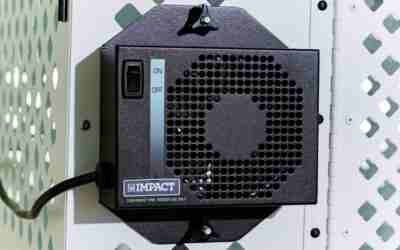
- Install CO alarms. Use battery-backed or plug-in models with battery backup on each level and near sleeping areas. An alarm is a backup, not permission to run the generator closer.
- Run a cord. Use a heavy-duty, outdoor-rated extension cord rated for your load, and plug appliances straight into it. Check the cord for damage and don’t pinch it in a closed door.
Getting power inside without backfeeding
Never plug a generator into a wall outlet to power the house. The CPSC calls this backfeeding extremely dangerous, with fire risk for you and electrocution risk for utility workers and neighbors.
The safe options are:
- Extension cords to individual appliances, best for a fridge, lights and a router.
- A power inlet box with an interlock or a transfer switch, installed by a licensed electrician with a permit. This lets you power chosen circuits from outside while the main breaker is isolated.
Local code and your utility decide what is allowed.
If you have no safe outdoor spot, use battery power
Apartments, balconies and tight lots often have no legal or safe place for a gas generator. A battery power station or solar generator has no exhaust and can run inside the home. Keep its vents clear and follow the manual for placement.
Example: a 100 W load (router, two lamps and device charging) on a 1,024 Wh station with about 85% usable energy runs roughly 8.7 hours.
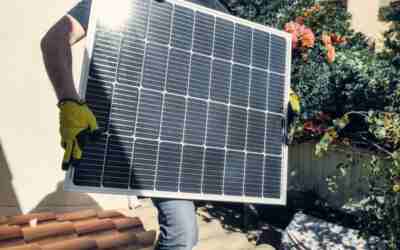
Power stations suit lights, electronics, CPAP machines and small fridges. They are a poor fit for big loads such as well pumps or space heaters, so check the unit’s rated watts first. Solar panels can recharge it during a multi-day outage.
Carbon monoxide poisoning: signs and what to do
Early CO symptoms look like the flu: headache, dizziness, weakness, nausea and vomiting. Chest pain and confusion can follow. People who are asleep or intoxicated may never notice symptoms.
- Get everyone into fresh air right away, including pets.
- Call 911 from outside.
- Do not go back in until responders say it is clear.
- Get medical care even if you feel better, since CO can cause delayed harm.
If a CO alarm sounds, treat it as real. Leave first, then call for help.
Our Top Picks
Ready to shop? These are the top-rated options from our hands-on roundup, Best Portable Indoor Generators of 2026.

Honda EU2200iTAN 2200W Super Quiet Portable Inverter Generator with CO-Minder - Ideal for Camping, RV, Home Backup
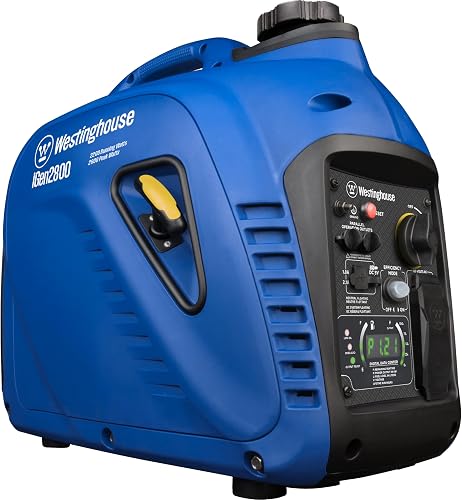
Westinghouse iGen2800 2800 Peak Watt Super Quiet Lightweight Portable Inverter Generator - Gas Powered, Parallel Ready

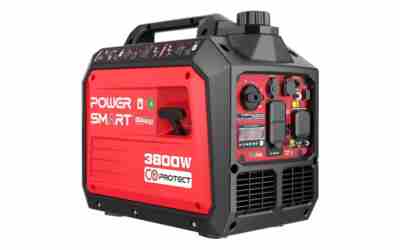
PowerSmart 3800 Watt Dual Fuel Inverter Generator Quiet Portable Gas Propane with CO Sensor RV Ready
As an Amazon Associate we earn from qualifying purchases. Product prices and availability are accurate as of the date/time indicated.
Frequently Asked Questions
Can I run a generator in a garage with the door open?
No. The CPSC states that opening doors and windows will not prevent CO from building up, and a garage is a place a generator must never run. Move it outdoors, away from openings.
Is it safe to run a power station in a closed room?
Yes, because it makes no exhaust. It still needs clear vents so it doesn’t overheat, and it shouldn’t sit near heat sources or on soft bedding. Follow the placement and temperature limits in your unit’s manual.
Can I build a vented shed or box around a portable generator?
No. A homemade enclosure traps heat and CO, and vents can’t be relied on to clear exhaust. Use an open-sided canopy or a tent the manufacturer approves, and keep every side open.
Can I run a generator on an apartment balcony?
No. A balcony is attached to the building, so exhaust can enter through doors and windows. Many leases and fire codes also ban fuel-burning generators there. A battery power station is the safer choice.
{“@context”: “https://schema.org”, “@type”: “FAQPage”, “mainEntity”: [{“@type”: “Question”, “name”: “Can I run a generator in a garage with the door open?”, “acceptedAnswer”: {“@type”: “Answer”, “text”: “No. The CPSC states that opening doors and windows will not prevent CO from building up, and a garage is a place a generator must never run. Move it outdoors, away from openings.”}}, {“@type”: “Question”, “name”: “Is it safe to run a power station in a closed room?”, “acceptedAnswer”: {“@type”: “Answer”, “text”: “Yes, because it makes no exhaust. It still needs clear vents so it doesn’t overheat, and it shouldn’t sit near heat sources or on soft bedding. Follow the placement and temperature limits in your unit’s manual.”}}, {“@type”: “Question”, “name”: “Can I build a vented shed or box around a portable generator?”, “acceptedAnswer”: {“@type”: “Answer”, “text”: “No. A homemade enclosure traps heat and CO, and vents can’t be relied on to clear exhaust. Use an open-sided canopy or a tent the manufacturer approves, and keep every side open.”}}, {“@type”: “Question”, “name”: “Can I run a generator on an apartment balcony?”, “acceptedAnswer”: {“@type”: “Answer”, “text”: “No. A balcony is attached to the building, so exhaust can enter through doors and windows. Many leases and fire codes also ban fuel-burning generators there. A battery power station is the safer choice.”}}]}