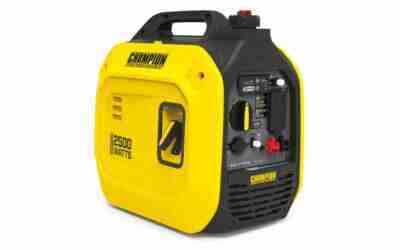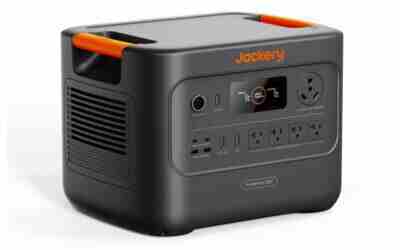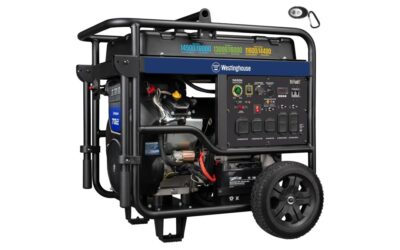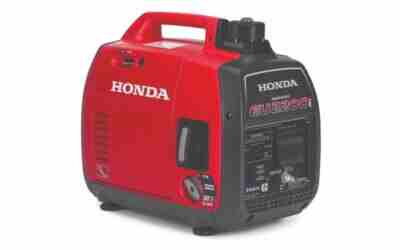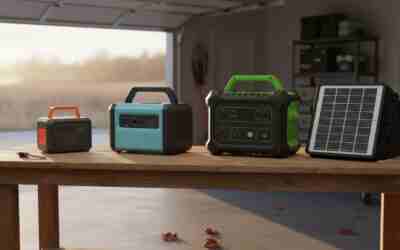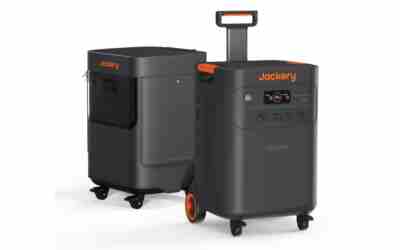

Running a generator safely in rain, snow, or a storm means keeping it under a rated, ventilated canopy (never a sealed enclosure), placing it on dry, stable, elevated ground away from runoff, and never touching it with wet hands or plugging it in with wet cords. Wind and precipitation don’t change the 20-foot carbon-monoxide placement rule — if anything, storm conditions make it more tempting to place a generator too close to the house for shelter, which is exactly the wrong move.
Use a Ventilated Canopy, Not a Sealed Cover
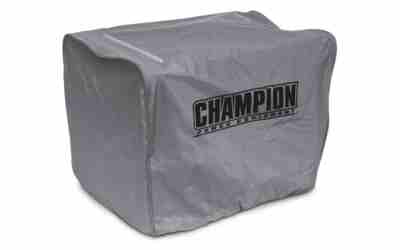
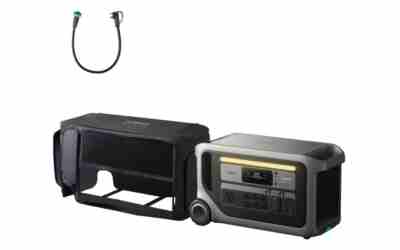
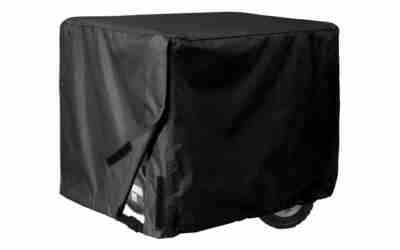
A generator produces heat and needs airflow to run safely and avoid overheating. A purpose-built “generator tent” or canopy is designed with vents that keep rain out while still allowing the engine to breathe and exhaust to escape — a tarp draped directly over a running unit can trap heat and exhaust dangerously and is not a safe substitute.
Elevate It and Keep It Away From Runoff
Place the generator on a dry, elevated, stable surface — a wooden pallet or purpose-built stand works well — away from areas where rainwater pools or flows during a storm. This protects against both water damage to the unit and electrical hazards from standing water near a running generator.
GFCI Protection Matters More in Wet Conditions
Generators with GFCI (ground-fault circuit interrupter) protected outlets add a real layer of shock protection in damp conditions by cutting power the instant a ground fault is detected. If storm-related outages are a regular concern where you live, prioritize this feature when shopping — see our best backup generators for home and best emergency power generators for preppers roundups.
Never Handle a Generator With Wet Hands
Dry your hands completely before touching the generator, its cords, or its controls. This applies to starting it, refueling it, and connecting/disconnecting appliances — wet skin dramatically increases shock risk at any voltage.
Storm Prep: Have It Ready Before the Weather Arrives
Test-start your generator and confirm your canopy/cover setup before a storm is actually bearing down, not during it. This is also the core argument for owning rather than renting ahead of storm season — rental units become scarce exactly when storms are forecast. See our full buy or rent a generator guide for that reasoning in detail. RV owners and campers should apply the same rules — our best portable generators for RV and best generators for an RV guides cover models suited to outdoor, weather-exposed use.
Frequently Asked Questions About Generators in Bad Weather
Can I run a generator directly in the rain without any cover?
No — use a ventilated, rated canopy or generator tent. Running one fully exposed to rain risks both water damage to electrical components and shock hazards.
Is it safe to cover a generator with a regular tarp while it’s running?
Not a sealed tarp draped directly over it — this can trap heat and exhaust dangerously. Use a purpose-built ventilated canopy designed for generator use instead.
Does storm weather change the 20-foot carbon monoxide placement rule?
No, the rule stays the same regardless of weather. Storms actually increase the temptation to place a generator too close to the house for shelter — resist that urge and use a proper canopy at the correct distance instead.
What generator feature matters most for wet-weather safety?
GFCI-protected outlets add meaningful shock protection in damp conditions and are worth prioritizing if you live somewhere with frequent storm-related outages.
Should I test my generator before a storm arrives?
Yes — test-starting it and confirming your canopy/placement setup ahead of time avoids discovering a problem during the actual emergency.