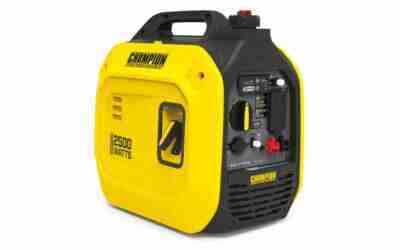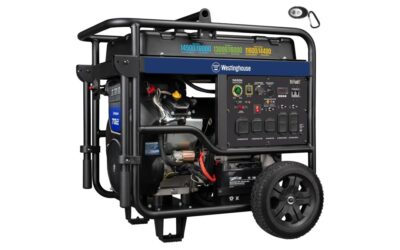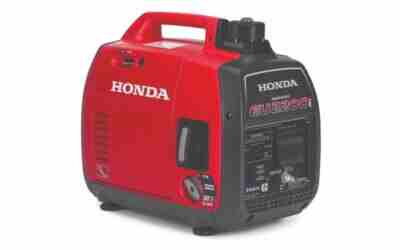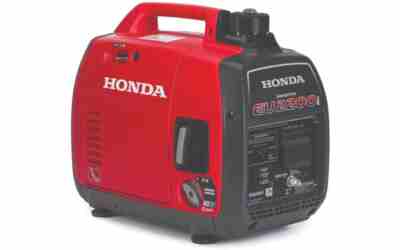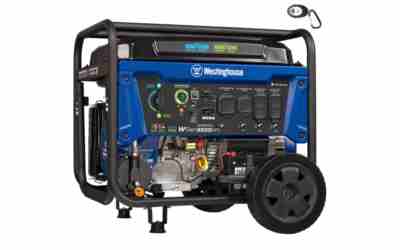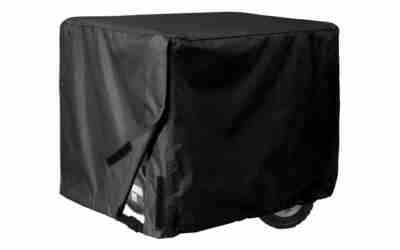

Buy a generator if you’ll use it more than a few times a year, live somewhere with unreliable grid power, or want guaranteed availability during an emergency. Rent one if you have a single, predictable, short-term need — a weekend event, a specific home-renovation task, or a one-off situation in an area that rarely loses power. The math and the risk profile both point the same direction once you’re honest about how often you’ll actually need it.
The Case for Renting
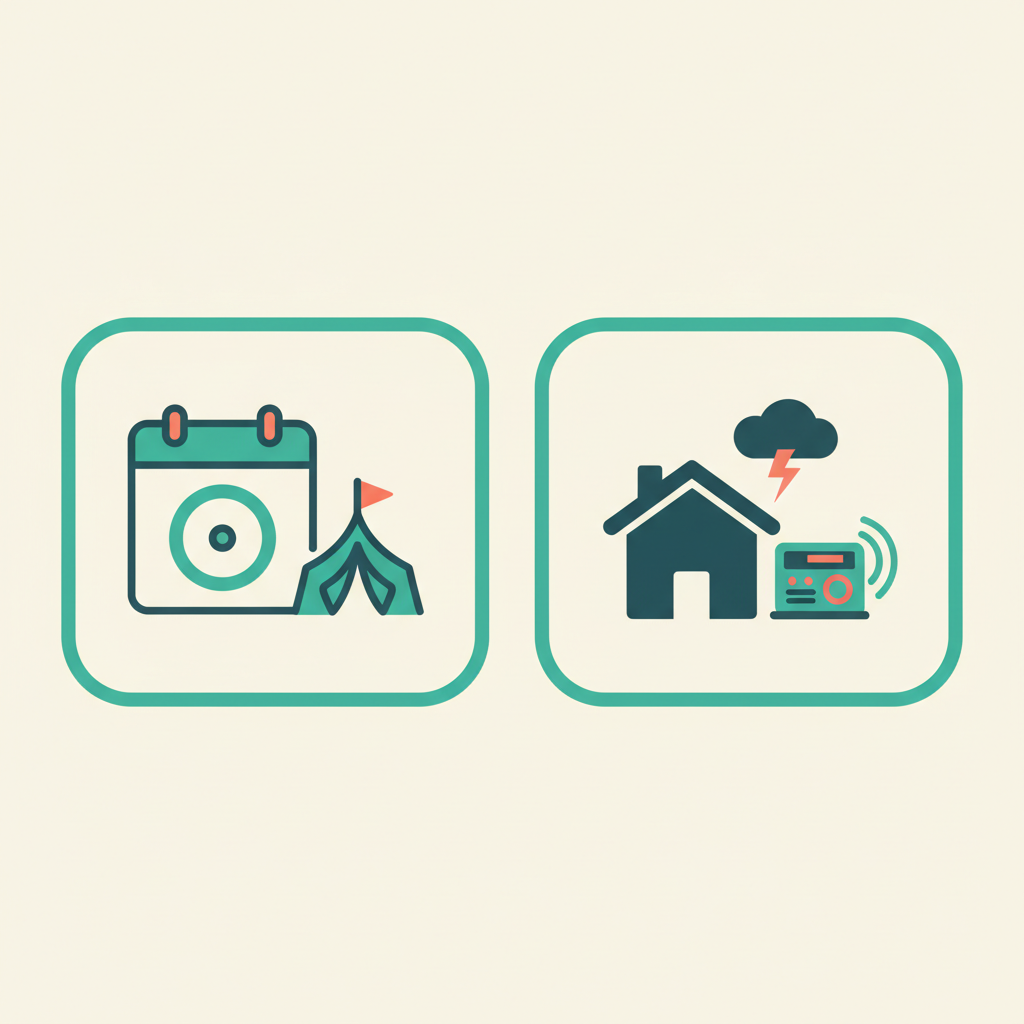
Renting makes sense when your need is genuinely occasional and predictable: powering tools at a job site for a few days, running equipment at an outdoor event, or covering a specific renovation project. You avoid the upfront cost, the maintenance, and the storage space a generator takes up between uses, and rental companies typically deliver a unit already sized correctly for a stated job. The tradeoff is cost-per-use over time — a portable generator often rents for $50–150+ per day depending on size, which adds up quickly if “occasional” turns out to be more frequent than expected.
The Case for Buying
Buying wins decisively for one specific, high-stakes scenario: emergency home backup power. Rental generators become scarce or completely sold out in the exact window you’d need one — right before and during major storms, when everyone in an affected region has the same idea at once. Owning your unit ahead of time means you’re not competing with your entire neighborhood for the last available rental the day before a hurricane makes landfall.
Buying also means you already know your generator’s quirks — how to start it, where the choke is, how it sounds when it’s running properly — before you’re doing it in the dark during a real outage. A rented unit is unfamiliar equipment at the worst possible time to be learning it. For most households sizing an emergency backup purchase, our best generators for home backup roundup and the running watts vs. starting watts guide are the right starting points for figuring out what to buy.
Quick Comparison
| Rent | Buy | |
|---|---|---|
| Best for | One-off, predictable, short-term need | Recurring need or emergency preparedness |
| Upfront cost | Low (daily/weekly rate) | Higher (one-time purchase) |
| Availability during emergencies | Unreliable — often sold out exactly when needed | Guaranteed — it’s already yours |
| Familiarity under pressure | Learning unfamiliar controls during the emergency itself | Already know how to start/operate it |
| Maintenance/storage burden | None — return it when done | Yours — oil changes, fuel stabilization, storage space |
| Cost if used repeatedly | Adds up fast, can exceed purchase price | Fixed cost regardless of how often you use it |
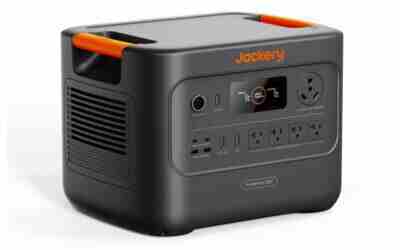
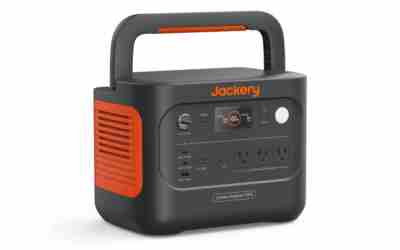
A Middle Path: Portable Power Stations
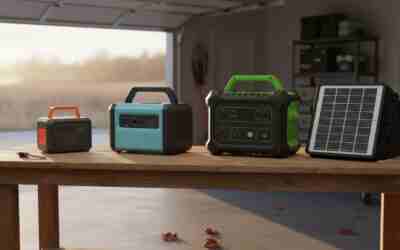
If your real concern is short, occasional outages rather than extended multi-day backup, a battery-based portable power station (no fuel, no combustion engine, no CO risk, safe to use indoors) can be a lower-commitment purchase than a full gas generator — and unlike a rental, it sits ready with zero maintenance between uses. See our best portable power stations for home picks if that fits your situation better than either renting or buying a combustion generator outright.
Questions to Ask Yourself Before Deciding
- How often will I realistically need this? Once a year or less strongly favors renting; more than that favors buying.
- Is my need predictable, or is it “in case of emergency”? Emergency preparedness always favors owning — you can’t schedule a rental for a storm that hasn’t happened yet.
- Do I have somewhere to store it, and am I willing to do basic maintenance (fuel stabilizer, periodic start-ups, oil changes)? If not, factor that real ongoing cost/effort into the buy decision.
- Would I rather learn a new machine calmly now, or during an actual outage? This alone is often the deciding factor for households prioritizing emergency readiness.
Frequently Asked Questions About Buying vs. Renting a Generator
Is renting cheaper than buying if I only need power once or twice a year?
Usually yes for the direct cost comparison, but factor in availability risk — if those one or two times are storm-related emergencies, rental units are often unavailable at the exact moment you need them, which can offset the savings entirely.
What size deposit or fees should I expect when renting a generator?
Expect a damage deposit, possible delivery/pickup fees for larger units, and daily or weekly rental rates that scale with generator size — always confirm the full cost breakdown before committing, not just the headline daily rate.
Does buying a generator mean a lot of ongoing maintenance?
It’s manageable but real: periodic oil changes, running it briefly every so often to keep the engine in working order, and using a fuel stabilizer for gasoline stored longer than a month or two. It’s not heavy maintenance, but it is a genuine ongoing responsibility a rental doesn’t carry.
Can I rent a generator during a hurricane warning?
In practice, this is often the hardest time to rent one — rental inventory in an affected region typically sells out well before the storm arrives, which is the core argument for owning a unit if you live somewhere prone to storm-related outages.
Is a portable power station a good alternative to buying or renting a gas generator?
For shorter outages and smaller loads, yes — it removes fuel storage, engine maintenance, and carbon monoxide risk entirely, at the tradeoff of generally lower total capacity and higher upfront cost per watt than a comparable gas generator.