
EPA certification means a generator’s engine has been tested and approved by the U.S. Environmental Protection Agency for exhaust emissions — carbon monoxide, hydrocarbons, and nitrogen oxides — under federal small-engine emissions standards. It’s not an optional premium feature: any gasoline or diesel generator legally sold in the United States is required to be EPA-certified, so its presence confirms the unit meets baseline federal environmental and legal requirements, not that it’s a “greener” or higher-performance model than a competitor.
What EPA Certification Actually Covers
The EPA regulates small non-road spark-ignition engines — the category portable generator engines fall into — for exhaust emissions specifically, not noise, safety features, or power output. A generator’s EPA certification is about what comes out of the exhaust, tested and approved before the engine can legally be manufactured and sold in the U.S. market.
Where to Find It
Look for an EPA emissions compliance label affixed directly to the engine or generator frame, and check the product listing or spec sheet, which should explicitly state EPA certification. If a generator sold in the U.S. doesn’t mention it at all, that’s worth asking the seller about directly before buying, since it’s a baseline legal requirement rather than an upsell.
EPA vs. CARB: Two Different Certifications
EPA certification is the federal baseline required to sell a generator anywhere in the U.S. California has its own, stricter emissions standard on top of that (CARB certification), which is why some generators are explicitly marked “not for sale in California” — they meet the federal EPA standard but not California’s additional requirement. See our companion guide on what CARB compliance means and why some generators can’t ship to California for the full explanation of that distinction.
Does EPA Certification Affect Which Generator You Should Buy?
Since it’s a baseline legal requirement rather than a differentiator between competing models, EPA certification isn’t something to weigh heavily when comparing generators — focus your comparison on running/starting watts, noise level, and THD instead, covered in our running watts vs. starting watts and THD explained guides. Just confirm the certification is present at all, since its absence on a U.S.-market listing is a red flag rather than a meaningful tradeoff.
Browsing Compliant Generators
Every generator in our best portable generators for home and best portable generators for home backup roundups is a legally U.S.-sold model, meeting federal EPA emissions requirements as a baseline.
Frequently Asked Questions About EPA Generator Certification
Is EPA certification required for all generators sold in the U.S.?
Yes, for gasoline and diesel-powered generators — it’s a federal requirement for small non-road engines, not an optional or premium certification.
Does a higher EPA rating mean a more powerful generator?
No — EPA certification is strictly about exhaust emissions, not power output, noise, or performance. A certified generator can be any wattage class.
Do battery-based power stations need EPA certification?
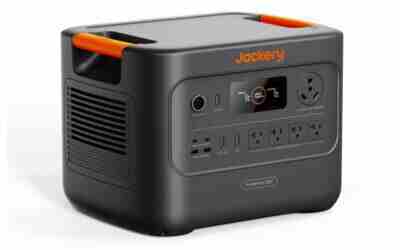
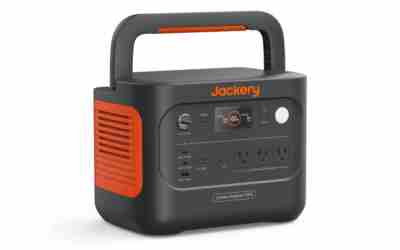
No — EPA emissions certification applies specifically to combustion engines. Battery/solar power stations have no exhaust and aren’t subject to this requirement.
What happens if I buy a generator that isn’t EPA certified?
A genuinely non-certified unit shouldn’t be legally sold in the U.S. in the first place — its absence on a listing is a sign to verify the product’s legitimacy before purchasing, not a meaningful cost-saving tradeoff.
Is EPA certification the same everywhere in the U.S.?
EPA certification itself is a federal standard applying nationwide, but California layers an additional, stricter certification (CARB) on top of it — some EPA-certified generators still aren’t approved for sale in California specifically.