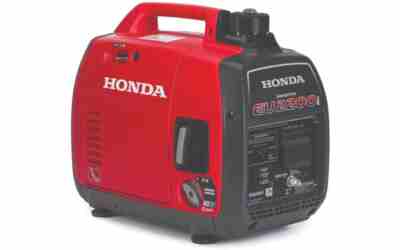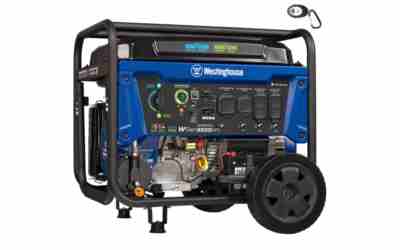

CARB (California Air Resources Board) compliance is California’s own, stricter emissions certification for small engines, layered on top of the federal EPA standard every U.S. generator must already meet. A generator can be fully EPA-certified and legal to sell in 49 states, yet still be explicitly marked “not for sale in California” if it hasn’t separately passed CARB’s tighter emissions limits — that label isn’t a defect or a mistake, it’s a genuine, distinct legal requirement specific to one state.
Why California Has Its Own Standard
California has long-standing federal authorization (under the Clean Air Act) to set its own, stricter vehicle and small-engine emissions rules than the rest of the country, given its historical air-quality challenges. CARB is the state agency that administers this, and small non-road engines — including portable generator engines — fall under its scope alongside EPA’s separate federal certification. See our companion guide on what EPA certification means for how the two relate.
What “Not for Sale in California” Actually Means
If a generator’s listing explicitly states it can’t ship to or be sold in California, it means the engine hasn’t been separately certified to CARB’s standard — not that it’s unsafe, illegal everywhere, or lower quality. Many manufacturers choose to certify only some models to CARB, since it requires separate testing and adds cost, while others certify their full lineup.
If You Live in California, Check This Before Buying
California residents specifically need to confirm CARB compliance before purchasing, since a non-CARB-compliant unit legally cannot be registered or used in the state, regardless of where it was purchased from. Look for “CARB compliant” or “CARB certified” explicitly stated in the product listing or spec sheet — the same place you’d check for EPA certification.
Does CARB Compliance Affect Performance?
No — like EPA certification, CARB compliance is purely about exhaust emissions, not running/starting watts, noise, or THD. A CARB-compliant generator isn’t inherently more or less powerful than a non-compliant one; it’s simply been tested and approved against California’s specific emissions limits.
Finding CARB-Compliant Options
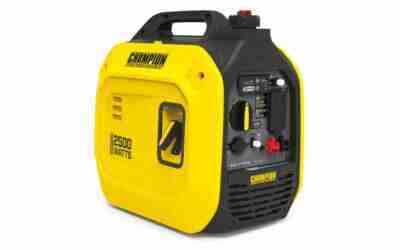
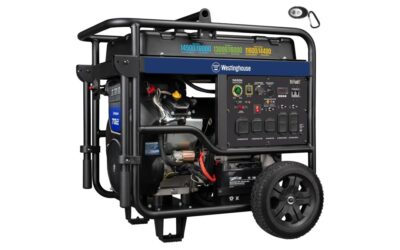
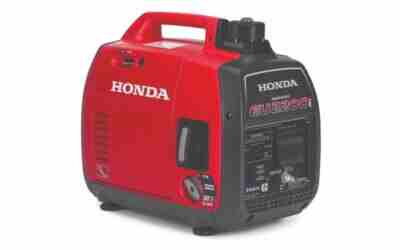
Many popular models across our best portable generators for home and best inverter generators roundups are CARB compliant — always verify the specific model’s current certification status directly with the manufacturer or retailer before buying if you’re a California resident, since certification can vary by model year.
Frequently Asked Questions About CARB Compliance
Can I still buy a non-CARB-compliant generator if I live outside California?
Yes — CARB compliance is specifically a California requirement. EPA-certified generators without CARB certification are legal to buy and use in every other U.S. state.
Is CARB certification harder to get than EPA certification?
Generally yes — CARB’s emissions limits are stricter than the federal EPA standard, which is why not every EPA-certified generator also qualifies for CARB compliance.
Can I use a non-CARB generator in California if I bought it out of state?
No — the restriction applies to use and registration within California, not just point of sale. A non-compliant unit isn’t legal to operate in the state regardless of where it was purchased.
Does CARB compliance apply to battery-based power stations?
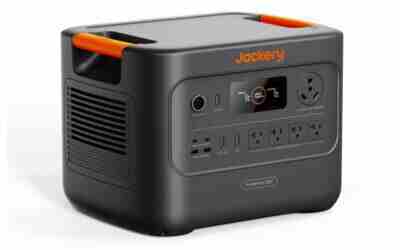
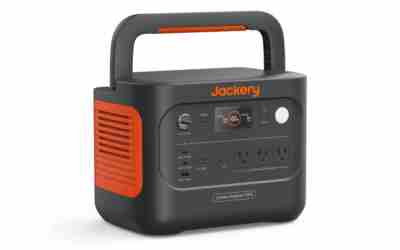
No — like EPA certification, CARB rules apply to combustion engines and their exhaust emissions. Battery/solar power stations have no engine or exhaust and aren’t subject to this requirement.
How can I verify a specific generator model’s current CARB status?
Check the manufacturer’s official spec sheet or contact them directly — certification status is tied to specific model years and can change, so don’t rely solely on older reviews or listings.