Sump pump battery backup life comes down to two numbers: roughly 5 to 12 hours per charge in an outage, and 3 to 5 years per battery. In near-continuous storm running, expect about 3 to 5 hours, and the math below lets you work out your own number.
How Long a Sump Pump Battery Backup Runs on One Charge
Runtime is the battery’s amp-hours times its usable depth of discharge, divided by the average amps the pump pulls. Lead-acid batteries are normally drained only to about 50% to protect their life, so usable capacity is half the label.
Worked example: a 12V 75Ah deep-cycle battery gives 37.5Ah usable. A dedicated 12V backup pump drawing a typical 15 amps (check your pump’s label) runs like this:
| Pump runs | Average draw | Runtime |
|---|---|---|
| 25% of the time (steady rain) | 3.75 A | 10 hours |
| 50% of the time (heavy rain) | 7.5 A | 5 hours |
| 75% of the time (storm) | 11.25 A | 3.3 hours |
The formula is 37.5Ah ÷ (15 A × share of time running). If your backup runs a 120V pump through an inverter instead, the DC draw is several times higher, so the same battery lasts a fraction of these hours.
How Many Years a Sump Pump Backup Battery Lasts
Plan to replace the battery every 3 to 5 years, by date rather than by failure. A battery that sits idle still degrades, so one that has never run a storm is not exempt.
| Battery type | Typical life | Upkeep |
|---|---|---|
| Flooded lead-acid | 3 to 5 years | Check water level, clean terminals |
| Sealed AGM | 4 to 7 years | No watering, check terminals |
| Lithium-ion | 10+ years (maker claim) | No watering, confirm warranty length |
The lithium figure comes from manufacturers, so rely on the warranty for your specific system. The cycle-life logic behind it is explained in how long solar generators last. Write the install date on the battery case so the replacement year is never a guess.
What Shortens or Stretches Runtime
Inflow versus pump output sets how often the pump runs. If your backup pump moves 30 gallons per minute at your lift (read it from the pump curve) and groundwater enters at 10 gallons per minute, it runs 10 ÷ 30 = 33% of the time. In the example above, that gives 37.5 ÷ (15 × 0.33) = 7.5 hours.
- Battery age: a battery down to 60% of its rated capacity holds 22.5Ah usable, which turns the 50% row (5 hours) into 3 hours.
- Pit size: a larger pit means fewer starts, and each start draws a surge, so it stretches runtime slightly without changing how much water must be moved.
- Cold: a battery in an unheated space delivers less capacity than the label rating.
- Weak connections: corroded or loose terminals waste voltage and shorten the run.
How to Test a Sump Pump Battery Backup
Test at least once a year, ideally before your wet season, and run the full sequence rather than just pressing an alarm button.
- Confirm the charger shows full and no alarm is active.
- Inspect terminals for white or blue-green corrosion. Clean with a baking soda and water mix and a wire brush, then tighten.
- Flooded batteries only: wearing gloves and eye protection, top up with distilled water until the plates are covered.
- Once the charger has finished, measure resting voltage. A healthy full lead-acid battery reads about 12.6 to 12.8 volts.
- Unplug the main pump, then add water to the pit until the backup starts. Confirm it pumps and the alarm sounds.
- Plug the main pump back in and write the test date on the battery.
Lead-acid batteries can release hydrogen, so keep them ventilated and away from sparks. Keep the charger and connections dry and above flood level, use a GFCI-protected outlet, and follow local electrical code. Hire an electrician for hardwired setups.
Signs Your Backup Battery Is Failing
- Beeping alarm: usually a low battery, charger fault or lost AC power. Your manual’s alarm table tells you which.
- Shorter test runs: if the pit empties fewer times than last year on the same test, capacity is fading.
- Low resting voltage: below about 12.4 volts a day after charging means the battery no longer holds a full charge.
- Charger never reaches full: the battery or the charger is the problem, so check both.
- Swollen case, leaks, rotten-egg smell or heat while charging: replace it now and handle it with gloves.
Long Outages and a Failed Main Pump
If utility power is on but the main pump fails from a stuck float, clog or burnt motor, the charger keeps feeding the battery, so the backup can run for many days. Battery capacity only becomes the limit when the charger has no power.
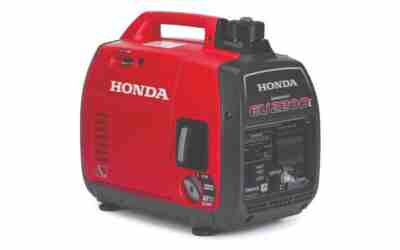
During an outage, compare your own runtime from the table with your area’s typical outage length. If outages run longer, you need a way to restore charge: swap in a second charged battery, or recharge from a generator set up outdoors, never indoors or in an attached garage because of carbon monoxide. For choosing between the two approaches, see gas generator vs battery backup.
A backup pump usually moves less water than your main pump, so it cannot be your only protection in a prolonged flood where inflow outpaces its output.
Our Top Picks
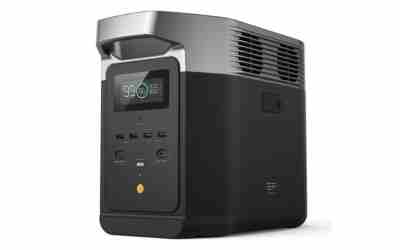
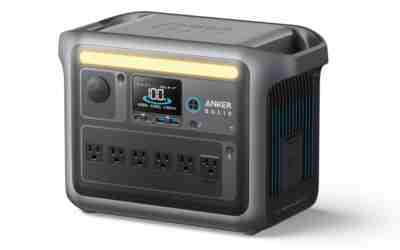
Ready to shop? These are the top-rated options from our related roundup, Best Portable Power Stations For Sump Pump of 2026.

EF ECOFLOW Delta 2 Solar Generator with 220W Panel - 1024Wh LiFePO4, 1800W Output for Camping, RV, Home Backup

EF ECOFLOW DELTA 2 Max: 2400W 2048Wh LFP Portable Solar Generator, 80% Charge in 43 Min, Home Backup & RV Power
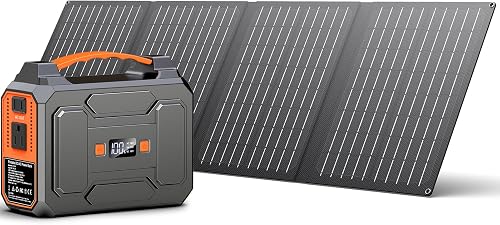
Apowking 146Wh Portable Solar Generator with 40W Panel, 200W Peak Power Station for Camping, Home Backup, Outdoors
As an Amazon Associate we earn from qualifying purchases. Product prices and availability are accurate as of the date/time indicated.
Frequently Asked Questions
Can I use a car battery for my sump pump backup?
No. Car batteries are built for short, high-current starts, not repeated deep discharges, and they wear out quickly under that use. Use a deep-cycle marine or AGM battery, or the type your backup system manufacturer specifies.
Can I add a second battery to double the runtime?
Often only if your controller and charger allow it. Wire two identical batteries in parallel, same type, amp-hours and age, and confirm in the manual that the charger can handle the larger bank. Mixing old and new batteries drags the new one down.
Will the backup pump move as much water as my main pump?
No. Backup pumps are typically smaller and move less water at the same lift. They are meant to hold the water level down until power returns, not to keep up with a flood-level inflow rate.
Should I unplug the backup charger to save the battery?
No. The charger keeps the battery topped up between storms. A lead-acid battery left partly discharged sulfates and loses capacity, so an unplugged battery will be weak exactly when you need it.
{“@context”: “https://schema.org”, “@type”: “FAQPage”, “mainEntity”: [{“@type”: “Question”, “name”: “Can I use a car battery for my sump pump backup?”, “acceptedAnswer”: {“@type”: “Answer”, “text”: “No. Car batteries are built for short, high-current starts, not repeated deep discharges, and they wear out quickly under that use. Use a deep-cycle marine or AGM battery, or the type your backup system manufacturer specifies.”}}, {“@type”: “Question”, “name”: “Can I add a second battery to double the runtime?”, “acceptedAnswer”: {“@type”: “Answer”, “text”: “Often only if your controller and charger allow it. Wire two identical batteries in parallel, same type, amp-hours and age, and confirm in the manual that the charger can handle the larger bank. Mixing old and new batteries drags the new one down.”}}, {“@type”: “Question”, “name”: “Will the backup pump move as much water as my main pump?”, “acceptedAnswer”: {“@type”: “Answer”, “text”: “No. Backup pumps are typically smaller and move less water at the same lift. They are meant to hold the water level down until power returns, not to keep up with a flood-level inflow rate.”}}, {“@type”: “Question”, “name”: “Should I unplug the backup charger to save the battery?”, “acceptedAnswer”: {“@type”: “Answer”, “text”: “No. The charger keeps the battery topped up between storms. A lead-acid battery left partly discharged sulfates and loses capacity, so an unplugged battery will be weak exactly when you need it.”}}]}