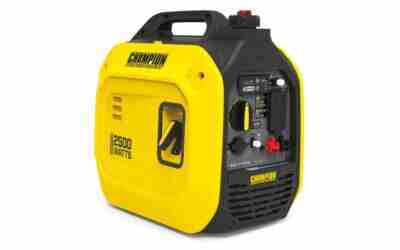

Yes, a portable generator can charge an EV. A 2,000-watt inverter model runs Level 1 charging at about 1.4 kW, adding roughly 5 miles per hour, while Level 2 needs about 9,000 running watts and adds about 25 miles per hour.
Generator size for EV charging: Level 1 vs Level 2
Your charger sets the load, and the generator must carry that load continuously for hours. Size by running (rated) watts, not the higher starting watts on the box. Add about 25% headroom so the generator is not pinned at its limit.
| Charging level | Typical draw | Generator running watts | Outlet | Miles added per hour | Time for 100 miles |
|---|---|---|---|---|---|
| Level 1 | 1.4 kW (120V, 12A) | 2,000 | Standard 120V household outlet (5-15) | 5 | 20 hours |
| Level 2 | 7.2 kW (240V, 30A) | 9,000 | 240V outlet matching the charger plug | 25 | 4 hours |
Both rows assume 3.5 miles per kWh measured at the wall, a typical figure for a mid-size EV that your car may beat or miss. The 120V and 240V math is simple: 120 V × 12 A = 1,440 W, and 240 V × 30 A = 7,200 W. A 2,000-watt class inverter generator is the practical Level 1 choice; our 2,000-watt portable generator comparison covers that size.
Many EVs and chargers let you lower the amperage in the car’s screen or app. Dropping to 8 A on a smaller generator cuts the draw to about 1 kW, but it also stretches charging time.
How many miles per hour a generator adds
Miles per hour equals charger kilowatts times miles per kWh. Using the same 3.5 miles per kWh:
- Level 1: 1.4 kW × 3.5 = 4.9, or about 5 miles per hour
- Level 2: 7.2 kW × 3.5 = 25.2, or about 25 miles per hour
Worked example: you need 100 miles of range to reach a fast charger. That is 100 ÷ 3.5 = 28.6 kWh. At 1.4 kW, that takes 28.6 ÷ 1.4 = 20.4 hours, so about 20 hours on Level 1. At 7.2 kW it takes 28.6 ÷ 7.2 = 4 hours.
A full charge from empty is a multi-day job on Level 1 with a 60 kWh battery, so think of a generator as a way to add enough range for a short trip, not to refill the pack.
Cost of charging an EV with a generator vs the grid
Generator charging costs several times more per mile than wall power. These inputs are typical values, not measurements: a 2,000-watt inverter generator burns about 0.25 gallon per hour at a 1.4 kW load, gasoline is $3.50 per gallon, and grid power is $0.17 per kWh.
- Fuel cost per hour: 0.25 gal × $3.50 = $0.875
- Miles per hour: 5, so generator cost is $0.875 ÷ 5 = $0.175 per mile
- Grid cost per mile: (1 ÷ 3.5 kWh) × $0.17 = $0.049 per mile
For the 100-mile example, that is about $17.50 in gasoline versus about $4.90 from the grid. Your fuel burn depends on the model and load, so check the runtime chart in the generator manual. Also expect to refill a small tank several times over 20 hours, and always let the engine cool before refueling.
Clean power and what your EV manual says
EV chargers contain electronics that monitor voltage, frequency and ground. Inverter generators produce a clean sine wave, so they are the safer match. Conventional open-frame units can have noisy output, and the charger may fault or refuse to start. Generac, for one, targets under 6% total harmonic distortion (THD) for generator power used to charge an EV.
Look for a THD figure in the generator’s spec sheet; if it is not published, ask the maker. Our guide to portable generators for sensitive electronics explains why low-distortion output matters.
Then read the vehicle and charger manuals. Some automakers do not approve generator charging, and using one can affect warranty coverage. Some cars will simply decline to charge on poor power. No generator is guaranteed to work with every EV.
Outlets, cords and grounding
Match the plug to the outlet instead of forcing it with a cheap adapter.
- Level 1: the charger that came with your car plugs into a standard 120V outlet. Use a 20A-rated GFCI outlet on the generator if it has one.
- Level 2: the generator needs a 240V outlet matching the charger plug, or an adapter approved by the charger maker. A 40A charger set to full power needs about 9,600 W, which is beyond most portable units.
- Cords: use a heavy-gauge, outdoor-rated cord, as short as possible. A 12 AWG cord is a typical minimum for a 15A load, but follow the rating on the cord label and the charger manual.
- Grounding: follow the generator manual. Some chargers detect ground faults and trip on generators with a floating neutral. Generac says a non-Generac Level 2 charger may cause ground faults on its units, so ask the charger maker first.
Never plug a generator into a wall outlet to power the house or garage. That backfeeds the grid and can kill utility workers. Home connections need a transfer switch or interlock installed by a licensed electrician under local code.
Step-by-step setup to charge safely
- Confirm in the vehicle and charger manuals that generator use is allowed, and note the charger’s maximum amperage.
- Set the generator outdoors on level ground, away from windows, doors, vents and the garage. Use the distance in your manual, and never run it in a garage, even with the door open.
- Place a battery-powered carbon monoxide alarm inside the home near sleeping areas.
- Start the generator and let it run a minute with nothing plugged in.
- Plug in the charger cord, then connect it to the car.
- Check after 10 minutes for steady output, no GFCI trip and no fault message on the car.
- When done, unplug the car, then power down the generator.
- Let the generator cool before refueling, and store fuel outdoors in approved containers.
When a generator is the wrong tool
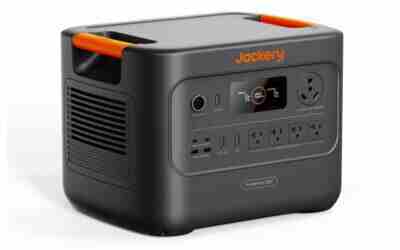
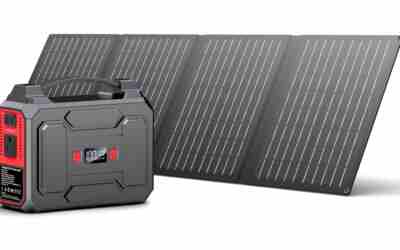
If you only need to add a few miles, a portable power station may be quieter and safe to use indoors, but a 1 kWh unit adds only about 3 miles. Some EVs offer vehicle-to-load or vehicle-to-home, which flips the problem: the car powers your home instead. For a long outage where you must recharge, a Level 1 generator is the realistic floor, and our portable generators for EV charging list shows models sized for it.
Our Top Picks
Ready to shop? These are the top-rated options from our hands-on roundup, Best Portable Generators For Ev Charging of 2026.

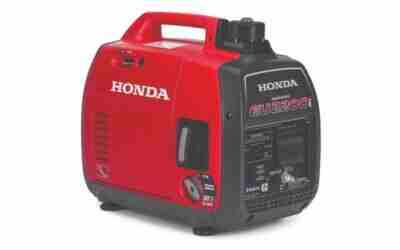
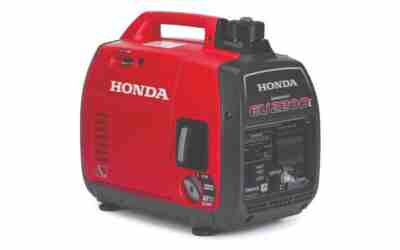
Honda EU2200iTAN 2200W Super Quiet Portable Inverter Generator with CO-Minder - Ideal for Camping, RV, Home Backup

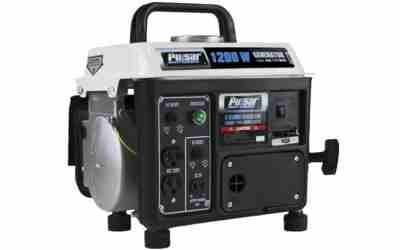
Pulsar PG1202SA 1200W Portable Gas Generator with Handle - Compact Camping Powerhouse

PowerSmart 1200W Portable Gas Generator 900W Rated 2-Stroke 39 lbs for Camping Emergency
As an Amazon Associate we earn from qualifying purchases. Product prices and availability are accurate as of the date/time indicated.
Frequently Asked Questions
Can I charge a Tesla with a portable generator?
Usually it works through the mobile connector on a 120V outlet, but Tesla and other makers do not guarantee every generator. Some cars refuse poor-quality power, so use an inverter generator and read your manual.
Will a generator damage my EV battery?
Clean, stable power should not harm the battery, because the charger regulates what reaches it. Dirty or unstable output is the risk, and the charger will usually stop with a fault rather than pass it along.
Can I charge with a 3,600-watt generator at 120V?
Yes, if its running watts cover the load. Level 1 draws about 1.4 kW, well within that size. It will not supply a full-power Level 2 charger, which needs about 9,000 running watts.
Can I charge while the generator runs other appliances?
Only if the total stays within the generator’s running watts. Add the other loads to the charger’s 1.4 kW, and unplug something or lower the charging amperage if the generator struggles.
Can I charge in the rain?
Do not run a generator exposed to rain. Use a cover made for generators, keep it open and well ventilated, and keep plugs and cords out of standing water.
{“@context”: “https://schema.org”, “@type”: “FAQPage”, “mainEntity”: [{“@type”: “Question”, “name”: “Can I charge a Tesla with a portable generator?”, “acceptedAnswer”: {“@type”: “Answer”, “text”: “Usually it works through the mobile connector on a 120V outlet, but Tesla and other makers do not guarantee every generator. Some cars refuse poor-quality power, so use an inverter generator and read your manual.”}}, {“@type”: “Question”, “name”: “Will a generator damage my EV battery?”, “acceptedAnswer”: {“@type”: “Answer”, “text”: “Clean, stable power should not harm the battery, because the charger regulates what reaches it. Dirty or unstable output is the risk, and the charger will usually stop with a fault rather than pass it along.”}}, {“@type”: “Question”, “name”: “Can I charge with a 3,600-watt generator at 120V?”, “acceptedAnswer”: {“@type”: “Answer”, “text”: “Yes, if its running watts cover the load. Level 1 draws about 1.4 kW, well within that size. It will not supply a full-power Level 2 charger, which needs about 9,000 running watts.”}}, {“@type”: “Question”, “name”: “Can I charge while the generator runs other appliances?”, “acceptedAnswer”: {“@type”: “Answer”, “text”: “Only if the total stays within the generator’s running watts. Add the other loads to the charger’s 1.4 kW, and unplug something or lower the charging amperage if the generator struggles.”}}, {“@type”: “Question”, “name”: “Can I charge in the rain?”, “acceptedAnswer”: {“@type”: “Answer”, “text”: “Do not run a generator exposed to rain. Use a cover made for generators, keep it open and well ventilated, and keep plugs and cords out of standing water.”}}]}