Most solar generators last 10 to 15 years if they use LiFePO4 batteries, and about 3 to 7 years if they use older lithium-ion (NMC) cells. Solar generator lifespan depends mainly on the battery’s cycle rating, how often you use it, and how hot or full it sits in storage. The panels usually outlast the power station.
The short answer: 3 to 15 years, depending on the battery
A solar generator is a power station (battery, inverter and charge controller) paired with solar panels. The battery is the part that wears out first, so its chemistry sets the realistic lifespan. Models with LiFePO4 (lithium iron phosphate) batteries are typically rated for 3,000 to 6,000 cycles. Models with NMC lithium-ion batteries are typically rated for 500 to 1,000 cycles.
| Component | Typical lifespan | Notes |
|---|---|---|
| LiFePO4 battery | 3,000 to 6,000 cycles, roughly 8 to 15 years | Rated to about 80% of original capacity |
| NMC lithium-ion battery | 500 to 1,000 cycles, roughly 3 to 7 years | Common in older and budget units |
| Solar panels | 25 years or more | Output drops slowly, often around 0.5% to 1% per year |
| Inverter and electronics | 10 years or more | Heat, dust and overloads shorten it |
These are typical ranges. Your exact model’s spec sheet and warranty will give the real cycle rating and the capacity it is rated to keep at that point.
What actually wears out first
A solar generator has four main parts, and each ages differently.
- Battery: Every charge and discharge cycle slightly reduces capacity. Heat, repeated full drains and long storage at 100% charge speed this up. This is the limiting part on nearly every unit.
- Inverter and electronics: These have few moving parts, but heat, dust, surges and constant overloading can cause failures. Many early failures come from misuse, not age.
- Fans, ports and cables: These wear mechanically. Many power stations are not designed to be user-serviced, so a failed part can mean sending the unit in under warranty.
- Solar panels: Most are warranted for 20 to 25 years at around 80% output. Folding portable panels with hinges and cables can wear sooner from repeated handling.
A battery rarely dies suddenly at its rated cycle count. It usually just holds less. A 1,000Wh unit at 80% health still delivers about 800Wh before inverter losses.
How cycles turn into years
One cycle means one full discharge and recharge, or the equivalent. Two half-drains count as roughly one cycle. Dividing the cycle rating by how often you use the unit gives a rough ceiling on lifespan.
| Battery | Rated cycles | Used daily | Used weekly |
|---|---|---|---|
| LiFePO4 | 3,000 | About 8 years | Cycle count is not the limit; age is, often 10 to 15 years |
| NMC | 500 | About 1.5 years | Cycle count lasts for years, but age often ends it first |
These are ceilings, not guarantees. Batteries also age with time (calendar aging), even when unused. That is why a unit used only for occasional outages still will not last forever.
Depth of discharge matters too. Regularly running a battery to 0% wears it faster than cycling between roughly 20% and 80%. Most power stations shut off before a true 0%, but the cell stress still adds up.
If you want to size a unit around your usage, our guide to the best portable solar generators compares capacities and battery types.
How to make a solar generator last longer
- Keep it out of heat. Don’t leave it in a parked car or direct summer sun. High temperatures degrade lithium batteries faster than almost anything else.
- Watch cold charging. Many LiFePO4 units limit or block charging below about 32°F to protect the cells. Check your model’s operating range, and warm the unit before charging.
- Store at a partial charge. For long storage, many manufacturers recommend roughly 50% to 80%, not 100% or empty. Follow your manual.
- Top it off every few months. Batteries self-discharge slowly. A unit left empty for a long time can fall into a deep-discharge state and fail to recharge.
- Avoid constant maximum loads. Running the inverter near its rated wattage for hours creates heat. Choose a unit sized with headroom for your loads.
- Keep vents and fans clear. Don’t cover the unit while charging or running, and wipe dust away from intake areas.
- Match panels to the input limits. Exceeding the unit’s maximum input voltage or watts can damage the charge controller. Our list of the best solar panels for generators is a starting point, but always check the voltage and amp limits in your manual.
- Use the right cables. Cables made for your unit’s connectors avoid poor contacts that cause heat.
Signs a solar generator is wearing out
Watch for these changes rather than waiting for a failure:
- Shorter runtime. Run a known load, such as a lamp or small appliance, and compare the runtime with when the unit was new. A drop of 20% or more suggests the battery is near the end of its rated life.
- Early shutoffs. The display shows charge left, but the unit cuts out under load.
- Slow or incomplete charging. Charge times climbing, or the unit stopping before 100%.
- Loud or constant fan noise. Fans running hard under light loads can point to dust, a failing fan or heat problems.
- Swelling, hot spots or burning smells. Stop using the unit immediately, unplug it, move it away from anything flammable and contact the manufacturer. Do not keep charging a swollen battery.
Panels are simpler. If they look cracked, delaminated or discolored, or the output is well below the rating in full sun, they may need replacing.
Buying for a longer life
If lifespan matters to you, check these before you buy:
- Battery chemistry. LiFePO4 generally gives far more cycles than NMC at similar capacity, though the unit may weigh more.
- Cycle rating and end-of-life capacity. Look for wording like “3,000 cycles to 80%.” Vague claims such as “long life” tell you nothing.
- Warranty length and terms. Warranties vary widely by brand and model. Read whether it covers capacity loss or only outright failure.
- Safety certification. Look for independent listings, such as UL 2743 for portable power packs, where the manufacturer states it. Our explainer on generator lifespan and what UL listed means covers why listings matter.
- Expandability. If you plan to power more than a few essentials, buying a bigger battery now avoids running a small unit hard every day.
For whole-house outage planning, which puts the most demand on a battery, see the best solar generators for home backup. For occasional use, a smaller unit will likely last the same number of years while costing less.
Exact numbers always depend on the model, and local electrical codes may apply if you tie a system into your home’s wiring. A licensed electrician should handle any connection to your panel.
Our Top Picks
Ready to shop? These are the top-rated options from our hands-on roundup, Best Battery For Portable Solar Generators of 2026.

EcoFlow DELTA 2 Portable Power Station: 1024Wh LFP Battery, 1800W Output, Solar Generator for Home Backup, Camping, RVs

OUPES Mega 1 2000W Portable Power Station: 1024Wh LiFePO4 Solar Generator, Expandable to 5kWh, UPS for Camping & Home Backup
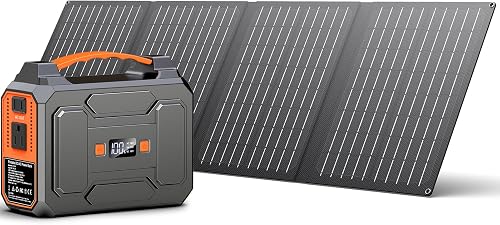
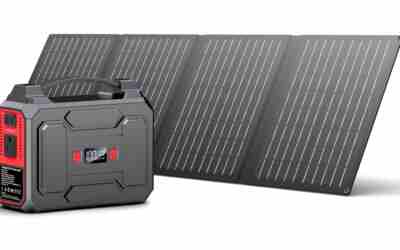
Apowking 146Wh Portable Solar Generator with 40W Panel, 200W Peak Power Station for Camping, Home Backup, Outdoors
As an Amazon Associate we earn from qualifying purchases. Product prices and availability are accurate as of the date/time indicated.
Frequently Asked Questions
How many years does a solar generator battery last?
A LiFePO4 battery typically lasts 8 to 15 years, or 3,000 to 6,000 cycles. An NMC lithium-ion battery usually lasts 3 to 7 years, or 500 to 1,000 cycles. Heat, deep discharges and daily use shorten these figures.
Do solar panels last longer than the power station?
Yes, usually. Most solar panels carry 20 to 25 year performance warranties and slowly lose output over time. The battery in the power station typically wears out first, so you may replace the power station while keeping the panels.
Can I replace the battery in a solar generator?
It depends on the model. Many portable power stations are sealed and not designed for user replacement, so battery service often goes through the manufacturer. Check the manual and warranty before opening a unit, since doing so may void coverage.
Does leaving a solar generator plugged in hurt it?
Many units handle pass-through charging, but staying at 100% in a hot place speeds battery aging. For long storage, many manufacturers suggest about 50% to 80% charge. Check your manual for the recommended level.