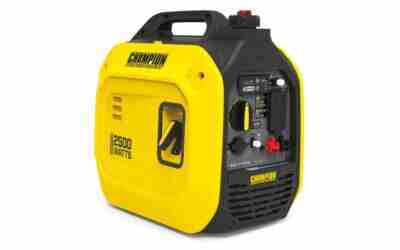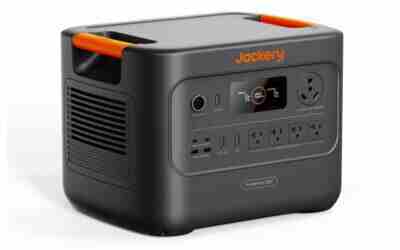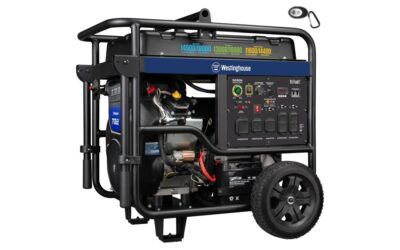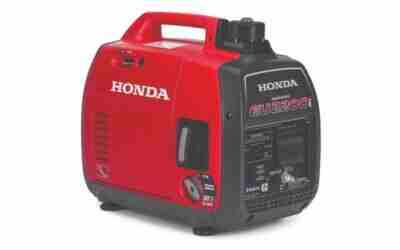

Our editorial team weighed PowerSmart's published specifications and how it stacks up against similar products in the generators category. What stands out: Dual Fuel Flexibility, Quiet Operation, and Reliable Recoil Start, Solid Build. Where it falls short: Manual Recoil Start, Harder in Cold and ~4-Hour Runtime at 50% Load. That puts it at 8.4/10 on our WG Score – an excellent, well-rounded option.
 Reviewed byDaniel
For most small houses, the right generator size is 3,000 to 7,500 running watts, based on what you need to power, not square footage. This generator size for small house guide shows how to total your appliance watts, add starting surge and a 20-30% margin, and decide whether you can skip central AC and electric heat.
Generator size for small house: ranges by backup tier
Square footage is a poor guide. A 1,500 sq ft house with gas heat and no central AC may need 4,000 watts, while the same house with electric heat and a well pump may need 12,000 or more. That is why published ranges for the same size home run from about 3 kW to 20 kW. Pick the tier first, then confirm with a load list.
| Backup tier | Typical running watts | What it usually covers | What it usually can’t |
|---|---|---|---|
| Essentials only | 3,000-5,000 W | Fridge, some LED lights, phone charging, router, fan, gas furnace blower | Central AC, electric water heater, electric heat |
| Small house / apartment | 3,000-7,000 W | Essentials plus a sump pump and small electronics | Central AC, electric water heater |
| Partial home | 7,000-12,000 W | Adds a microwave, well pump, limited heating or cooling | Everything at once |
| Whole home | 15,000-25,000+ W | Central AC, electric water heating, most circuits | Usually needs a standby unit and professional sizing |
These ranges come from retailer and utility-style sizing guides and overlap on purpose. Your own appliance list decides where you land.
Running watts vs starting watts
Running (rated) watts are what an appliance draws continuously. Starting (surge) watts are the short spike when a motor kicks on, such as a refrigerator compressor, sump pump or well pump.
A typical refrigerator runs on about 700 W but needs roughly 1,200 W more to start, so about 1,900 W for a moment. The exact numbers vary by model, so check the nameplate or manual.
The standard sizing method:
- Add the running watts of everything you want on at the same time.
- Add the single largest starting surge, counted as the extra watts above that appliance’s running watts.
- Multiply by 1.2 to 1.3 for a 20-30% safety margin.
Motors rarely start at the exact same instant, so adding only the largest surge is the usual approach. If two big motors might start together, size up. For the full method, see our guide on how to size a generator for your home.
Worked example: sizing a small house from a load list
Here is a sample load list for a small gas-heated house. Wattages are typical approximations. Replace them with the numbers on your own labels.
| Appliance | Running W | Extra to start |
|---|---|---|
| Refrigerator | 700 | ~1,200 |
| Sump pump (1/3 hp) | 800 | ~1,300 (varies) |
| Gas furnace blower | 600 | small, model-dependent |
| 8 LED bulbs | 100 | none |
| Router, TV, phone chargers | 250 | none |
| Microwave | 1,000 | none |
Everything at once: running total is 3,450 W. The largest extra surge is the sump pump at about 1,300 W, so 4,750 W. Add 25% and you get about 5,900 W. That points to a 6,000-7,000 W unit.
With load discipline: skip the microwave while the sump pump and fridge cycle. The running total drops to 2,450 W. Add 1,300 W of surge for 3,750 W, then 25% for about 4,700 W. A 5,000 W unit works.
That gap is the cheapest sizing trick: staggering big loads can drop you a whole size class. Run the microwave, kettle or toaster one at a time, and you may not need the larger generator.
Can a 5,000-watt generator run a small house?
Yes, for essentials. A 5,000 W portable generator can usually handle the fridge, lights, electronics, a furnace blower and a sump pump. It generally cannot carry the big loads below, at least not at the same time. Figures are rough and depend on the model.
- Central AC: roughly 2,500-4,000 W running, with a start surge that can be two to three times higher unless it has a soft-start kit. A portable generator can run a small central unit only if it is sized for that surge. A window unit is far easier; see our picks of generators that run a small air conditioner.
- Well pump: often 750-1,500 W running with a 2-3x start surge. Check the pump’s label. If you are weighing batteries instead, read what size solar generator a well pump needs.
- Electric water heater: commonly about 4,000-4,500 W by itself.
- Electric furnace or heat strips: anywhere from about 5,000 to 20,000 W, which pushes you into the partial- or whole-home tiers.
Quick decision rule: gas heat and no well pump means plan for 3,000-5,000 W. Add a well pump or window AC and plan for 5,000-7,500 W. Electric heat, electric water heating or central AC means 10,000 W or more, and a professionally sized standby system is worth pricing.
Portable, inverter or standby: which type fits a small house?
Match the type to the size you just calculated.
- Inverter generators are quieter and produce cleaner power for electronics, but most top out at lower wattages and cost more per watt. They suit the 2,000-4,500 W essentials tier.
- Open-frame portable generators give the most watts per dollar and cover 5,000-12,000 W, but they are louder and heavier.
- Standby (permanently installed) generators start automatically and run on natural gas or propane. They are the realistic choice for whole-home loads and need permits and professional installation.
For fuel, gasoline is easy to find but goes stale in storage. Propane stores well. Dual-fuel models give you both; see our roundup of small dual-fuel generators. If you have close neighbors, compare quiet small portable generators.
Tie runtime to your size. A generator loaded at about half its rating generally runs longer per tank than one near its limit, and the hours differ by model, so check the manufacturer’s runtime spec. When you are ready to compare models, start with our best generators for a small house.
How to connect a generator to your house safely
Do not plug a generator into a wall outlet to power the house. That is called backfeeding. It can send power back onto utility lines and injure or kill line workers, and it can start fires in your wiring.
You have two safe options:
- Extension cords: run heavy-duty, outdoor-rated cords directly to the fridge, sump pump or a power strip. Use cords rated for the load. This is fine for essentials-only setups.
- Transfer switch or interlock kit: this lets the generator feed selected circuits through your panel. Have a licensed electrician install it. The NEC (Article 702, optional standby systems) requires a means to prevent backfeed, and local permits and inspections vary.
Carbon monoxide and fire rules:
- Run the generator only outdoors, at least 20 feet from the house, with the exhaust pointed away from windows, doors and vents. Never run it in a garage, even with the door open.
- Put battery-powered or battery-backup CO alarms on every level.
- Shut the generator off and let it cool before refueling. Store fuel in approved containers away from living space.
- Keep it dry, under a proper generator cover or tent, and ground it as the manual directs.
- Do not exceed its rated output. Overloading can damage the generator and your appliances.
Common sizing mistakes to avoid
- Sizing by square footage alone. Heating type, AC and a well pump matter far more.
- Ignoring starting watts. A generator that covers your running total can still stall on a fridge or pump start.
- No margin. Running near 100% shortens engine life and trips overload protection. Keep the 20-30% headroom.
- Buying for loads you will never run. If gas heat and a window unit cover you, a 15 kW unit is wasted money and fuel.
- Forgetting the sump pump. It is often the most important motor load in a storm outage. If that is your main concern, see our small generators for sump pumps.
For a short list of models once you know your number, browse our small portable generators for home use.
Our Top Picks
Ready to shop? These are the top-rated options from our hands-on roundup, Best Small House Generators of 2026.
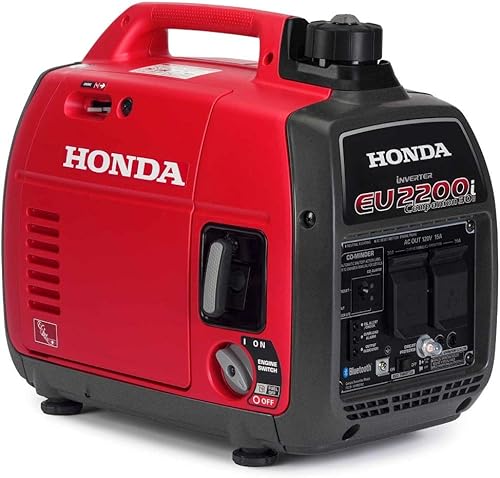
Honda EU2200ITAN1 2200-Watt Super Quiet Portable Inverter Generator with CO-Minder

PowerSmart 3800 Watt Dual Fuel Inverter Generator Quiet Portable Gas Propane with CO Sensor RV Ready
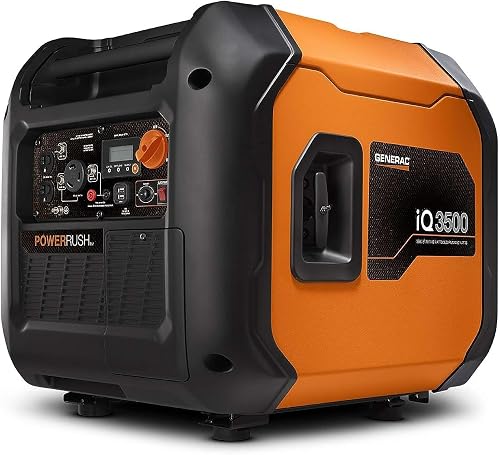
Generac iQ3500 3500W Portable Inverter Generator - Quiet, Lightweight, Electric Start, CARB Compliant for Camping & Jobsites
As an Amazon Associate we earn from qualifying purchases. Product prices and availability are accurate as of the date/time indicated.
Frequently Asked Questions
What size generator do I need to run a refrigerator and a few lights?
A 2,000-3,000 watt generator is usually enough. A typical fridge runs near 700 W and surges to roughly 1,900 W at startup, and LED lights add little. Check your fridge’s label, since startup watts vary by model and age.
Do I need a transfer switch to power my house with a generator?
Only if you want the generator to feed your home’s circuits through the panel. A transfer switch or interlock, installed by a licensed electrician, prevents dangerous backfeeding. Otherwise, run heavy-duty extension cords directly to essential appliances.
How many watts do I need to run a 1,500 sq ft house?
Essentials only is roughly 3,000-7,500 W, depending on the source and your loads. With central AC, a well pump or electric heat, plan on 10,000 W or more. Total your own appliance watts rather than relying on square footage.
Can a portable generator run central air conditioning?
Sometimes. Central AC often draws roughly 2,500-4,000 W running and much more at startup unless it has a soft starter. A larger portable unit, 7,500 W or more, may handle a small system. Confirm against your AC’s nameplate and have an electrician connect it.
{“@context”: “https://schema.org”, “@type”: “FAQPage”, “mainEntity”: [{“@type”: “Question”, “name”: “What size generator do I need to run a refrigerator and a few lights?”, “acceptedAnswer”: {“@type”: “Answer”, “text”: “A 2,000-3,000 watt generator is usually enough. A typical fridge runs near 700 W and surges to roughly 1,900 W at startup, and LED lights add little. Check your fridge’s label, since startup watts vary by model and age.”}}, {“@type”: “Question”, “name”: “Do I need a transfer switch to power my house with a generator?”, “acceptedAnswer”: {“@type”: “Answer”, “text”: “Only if you want the generator to feed your home’s circuits through the panel. A transfer switch or interlock, installed by a licensed electrician, prevents dangerous backfeeding. Otherwise, run heavy-duty extension cords directly to essential appliances.”}}, {“@type”: “Question”, “name”: “How many watts do I need to run a 1,500 sq ft house?”, “acceptedAnswer”: {“@type”: “Answer”, “text”: “Essentials only is roughly 3,000-7,500 W, depending on the source and your loads. With central AC, a well pump or electric heat, plan on 10,000 W or more. Total your own appliance watts rather than relying on square footage.”}}, {“@type”: “Question”, “name”: “Can a portable generator run central air conditioning?”, “acceptedAnswer”: {“@type”: “Answer”, “text”: “Sometimes. Central AC often draws roughly 2,500-4,000 W running and much more at startup unless it has a soft starter. A larger portable unit, 7,500 W or more, may handle a small system. Confirm against your AC’s nameplate and have an electrician connect it.”}}]}