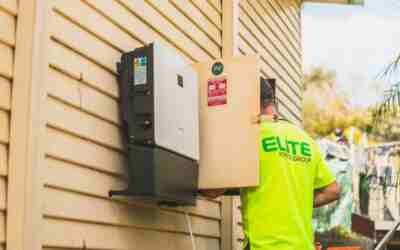
To connect a backup generator to your home, wire it through a manual transfer switch or a listed interlock kit and an outdoor generator inlet, installed by a licensed electrician with a permit. Never plug a generator into a wall outlet with a male-to-male cord, because that backfeeds the house wiring and the utility lines.
Transfer switch, interlock kit or extension cords: which connection fits?
There are three legal, safe ways to get generator power into a house. The right one depends on how many circuits you need and how much wiring you want done.
| Method | How it works | Choose it if |
|---|---|---|
| Extension cords | Appliances plug straight into the generator’s outlets | You only need a fridge, a few lights and phone chargers |
| Interlock kit | A metal plate on the panel lets either the main breaker or the generator breaker be on, never both | A kit is made for your exact panel and you want to choose circuits freely |
| Manual transfer switch | A small sub-panel feeds a fixed set of circuits (often 6-10) and isolates them from the grid | You want fixed circuits that limit overloading |
Costs vary with panel condition, wire runs and local labor rates, so get written quotes from licensed electricians.
Never backfeed. A male-to-male cord puts live voltage on exposed prongs and can send power out to utility lines, where it can electrocute line workers. It can also overload house wiring and start a fire.
Interlock approval depends on the kit being listed for your specific panel brand and model, and some jurisdictions restrict interlocks, so confirm with your inspector before buying. If you would rather have power switch on automatically, see our guide to whole-home backup generators, which use an automatic transfer switch.
What size generator do you need for the circuits you connect?
Add up the running watts of everything you will run at once, add a 20% buffer to that running load, then add the largest single extra starting surge. Motors such as fridges and pumps draw several times their running watts for a second or two when they start. Use the nameplates on your own equipment; the figures below are typical examples.
- Refrigerator: 700 running W, 2,200 starting W
- Sump pump: 800 running W, 2,400 starting W
- Furnace blower: 600 running W, 1,500 starting W
- LED lights, several rooms: 300 W
- Router, TV, chargers: 200 W
- Running total: 700 + 800 + 600 + 300 + 200 = 2,600 W.
- Running load with 20% buffer: 2,600 x 1.2 = 3,120 W.
- Largest extra surge: the sump pump, 2,400 – 800 = 1,600 W. This assumes you start motors one at a time.
- Peak need (estimate): 3,120 + 1,600 = 4,720 W.
The method for the peak figure is the running total plus buffer plus the biggest surge, so a generator in the 5,000 W class covers this example. Well pumps and central air conditioners can have much larger surges, so check their nameplates or ask an HVAC pro.
Also match the inlet to the generator. A 30-amp, 120/240-volt inlet tops out at 7,200 W (30 A x 240 V). For models in that range, see our roundup of portable generators for home backup.
How a transfer switch or interlock is installed, and whether you can do it yourself
A licensed electrician normally handles this, and most jurisdictions require a permit and inspection. Here is the usual order of work:
- Pick the circuits. Good choices are the fridge and freezer, furnace blower, sump pump, well pump, some lights, the garage door opener, the router and a few outlets. Leave off the electric range, dryer, electric water heater and central air unless your generator is sized for them.
- Match the inlet to the generator. A 30-amp inlet pairs with a generator’s 30-amp twist-lock outlet (commonly L14-30). A 50-amp inlet needs a 50-amp outlet and cord. The cord ends must match both sides.
- Confirm the neutral-bond setup. Whether the generator’s neutral is bonded to ground or floating must match the switch type (3-pole or 4-pole). Have the installer confirm this against the switch instructions and the generator manual.
- Pull the permit. Rules follow the NEC (Article 702 covers optional standby systems) plus your local amendments.
- Mount the inlet outside, near where the generator will sit, with conduit run to the panel.
- Install the switch or interlock and label the panel.
- Schedule inspection and ask your utility whether it requires notification.
- Test under load before storm season.
Can you do it yourself? Where local code allows homeowner electrical work, it is still risky: the service lugs in the panel stay live even with the main breaker off. Check the permit rules before you start.
Where to put the generator so carbon monoxide stays out
Run the generator outdoors only, never in a garage, basement, shed or crawlspace, even with the door open. Follow the manual or label for distance; many manuals say at least 20 feet from the house, with the exhaust pointed away from windows, doors and vents.
- Set it on level, dry ground, under an open-sided cover if it is raining, with space around it for airflow.
- Use a generator cord rated for the amperage, kept as short as the distance allows. A 25-foot cord is common for a 30-amp setup.
- Put battery-powered CO alarms on every floor and near sleeping areas.
If anyone feels dizzy, nauseated or has a headache while the generator runs, get into fresh air and call 911.
Steps to connect a backup generator to home and start it
Follow the instructions that came with your switch or kit. These are the common sequences.
With a manual transfer switch
- Place the generator outdoors and plug the cord into the generator and the inlet.
- Start the generator and let it warm up for a few minutes.
- Turn the main breaker off if your switch instructions call for it.
- Move the transfer switch to the generator position.
- Turn on the circuit switches one at a time, largest motor load first.
With an interlock kit
- Turn off all branch breakers and the main breaker.
- Start the generator and plug in the inlet cord.
- Slide the interlock plate over and switch on the generator breaker.
- Turn on branch breakers one at a time, watching the generator for strain.
Shutting down when power returns
- Turn off the branch breakers or circuit switches.
- Turn off the generator breaker or return the transfer switch to the utility position.
- Close the interlock plate and turn the main breaker on.
- Unplug the cord and let the engine cool before refueling.
Why breakers trip or the generator stalls after you connect it
Check these in order of likelihood.
- Overload. Too many loads started at once. Turn everything off and add loads one at a time, motors first. If it still trips, leave off a big load such as a pump or AC and rotate it in.
- Generator breaker or low-oil shutdown. Reset the generator’s own breaker and check the oil level. Many engines shut off on low oil.
- GFCI trips. A damp cord or outlet is a common cause. Dry the connections and use outdoor-rated cords. If trips repeat on a transfer switch setup, ask the installer to recheck the neutral-bond match described above.
- Wrong or damaged cord. A worn or undersized cord overheats and drops voltage. Replace any cord that feels hot or looks damaged.
Test it and store fuel before the next outage
Run the full hookup once a season with real loads, not just an idle engine. That finds a bad cord, a stale tank or a mislabeled breaker while you can still fix it.
- Follow the manual’s oil-change and spark-plug schedule, and start the engine on a regular basis.
- Store gasoline in approved containers away from the house and ignition sources. Add fuel stabilizer if the manual allows, and rotate the supply.
- Keep the cord, a flashlight and a printed switching sequence next to the panel.
If fuel supply worries you, a dual fuel generator can run on gasoline or propane, which stores longer.
Our Top Picks
Ready to shop? These are the top-rated options from our hands-on roundup, Best Home Backup Power Generators of 2026.

Honda EU2200iTAN 2200W Super Quiet Portable Inverter Generator with CO-Minder - Ideal for Camping, RV, Home Backup
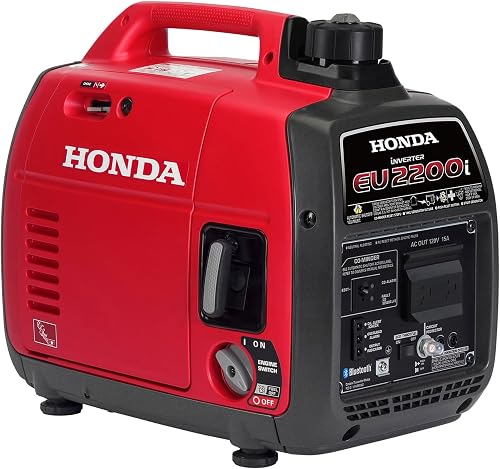
Honda EU2200i 2200W Super Quiet Inverter Generator - Portable Gas Power for Camping, RV & Home Backup, 8.1H Runtime

Westinghouse iGen5000DFc 5000W Peak Dual Fuel Inverter Generator - Super Quiet RV Ready Remote Start CO Sensor
As an Amazon Associate we earn from qualifying purchases. Product prices and availability are accurate as of the date/time indicated.
Frequently Asked Questions
Is an interlock kit as safe as a transfer switch?
Both prevent backfeed when installed correctly. An interlock mechanically blocks the main and generator breakers from being on together, while a transfer switch adds a fixed set of circuits that limits overload. Either one needs a permit and inspection where required.
Can I connect a generator myself without an electrician?
Cords to individual appliances need no wiring. Adding an inlet, interlock or transfer switch means working in the panel, and many areas require a licensed electrician and permit for that. Panel lugs stay live with the main off.
Do I need to tell my utility company about a home generator?
It depends on the utility and your area. A properly installed transfer switch or interlock keeps power off the grid, but some utilities or inspectors still want notification. Ask both when you pull the permit.
Can I plug the generator into my dryer or range outlet instead?
No. That is still backfeeding through a cord with exposed live prongs, and it bypasses the protection a transfer switch or interlock provides. Use a properly installed inlet.
Can a portable generator run my central air conditioner?
Only if it covers the AC’s starting surge on top of other loads. Many 5,000-7,500 W units struggle with larger systems. Check the AC nameplate or ask an HVAC pro, and consider a soft-start kit.
{“@context”: “https://schema.org”, “@type”: “FAQPage”, “mainEntity”: [{“@type”: “Question”, “name”: “Is an interlock kit as safe as a transfer switch?”, “acceptedAnswer”: {“@type”: “Answer”, “text”: “Both prevent backfeed when installed correctly. An interlock mechanically blocks the main and generator breakers from being on together, while a transfer switch adds a fixed set of circuits that limits overload. Either one needs a permit and inspection where required.”}}, {“@type”: “Question”, “name”: “Can I connect a generator myself without an electrician?”, “acceptedAnswer”: {“@type”: “Answer”, “text”: “Cords to individual appliances need no wiring. Adding an inlet, interlock or transfer switch means working in the panel, and many areas require a licensed electrician and permit for that. Panel lugs stay live with the main off.”}}, {“@type”: “Question”, “name”: “Do I need to tell my utility company about a home generator?”, “acceptedAnswer”: {“@type”: “Answer”, “text”: “It depends on the utility and your area. A properly installed transfer switch or interlock keeps power off the grid, but some utilities or inspectors still want notification. Ask both when you pull the permit.”}}, {“@type”: “Question”, “name”: “Can I plug the generator into my dryer or range outlet instead?”, “acceptedAnswer”: {“@type”: “Answer”, “text”: “No. That is still backfeeding through a cord with exposed live prongs, and it bypasses the protection a transfer switch or interlock provides. Use a properly installed inlet.”}}, {“@type”: “Question”, “name”: “Can a portable generator run my central air conditioner?”, “acceptedAnswer”: {“@type”: “Answer”, “text”: “Only if it covers the AC’s starting surge on top of other loads. Many 5,000-7,500 W units struggle with larger systems. Check the AC nameplate or ask an HVAC pro, and consider a soft-start kit.”}}]}