How long does propane last? The fuel itself never expires, but a 20 lb tank typically runs a grill about 10 to 20 hours, depending on burner size and heat setting. Runtime is simple math: the tank’s BTUs divided by your appliance’s BTU per hour. Below are charts by tank size and appliance, plus ways to check what’s left.
Propane doesn’t expire, but the tank and hoses do
Propane has no shelf life. In a sealed, undamaged tank it doesn’t break down or go stale, so fuel bought years ago burns the same as fuel bought today. That’s a real difference from gasoline, which oxidizes and can foul a carburetor within months. Our gasoline vs. propane vs. diesel generator comparison covers the storage trade-offs.
What ages is the hardware: the cylinder, valve, hose and regulator.
- Date stamp. Look for a month-year stamp on the collar, such as 05 24. A standard 20 lb cylinder generally needs recertification about 12 years after its manufacture date. Fill stations should not fill an out-of-date or damaged cylinder.
- Large home tanks. Requalification schedules vary by tank type and state. Ask your propane supplier when yours is due.
- Rubber parts. Replace cracked hoses and regulators. Brush soapy water on every connection; growing bubbles mean a leak.
- Storage. Keep cylinders upright, outdoors and ventilated, out of direct heat. Never store them in a garage, basement, or hot car. Follow local code and NFPA 58 for distances from doors, windows and ignition sources.
If you smell gas (a rotten-egg odor), close the valve, move away, keep flames and sparks out of the area, and call your supplier or the fire department if the smell continues.
How to calculate how long propane lasts (BTU math)
Runtime equals the tank’s BTUs divided by the appliance’s BTU per hour. You need two numbers.
- Tank energy. Propane holds about 21,500 BTU per pound, or roughly 91,500 BTU per gallon. A 20 lb tank holds about 430,000 BTU. Some sources round that up to 470,000, which is why you see different answers online. Use 430,000 for a conservative estimate.
- Appliance rate. Find BTU/hr on the data plate or in the manual. On a grill, add up the main burners and treat side burners separately.
- Divide. Tank BTU ÷ appliance BTU/hr = hours at that setting.
Worked example: a grill rated 40,000 BTU/hr with every burner on high uses 430,000 ÷ 40,000 = about 10.75 hours of cook time. Few people cook flat out. At an average of 25,000 BTU/hr (medium), the same tank gives 430,000 ÷ 25,000 = 17.2 hours.
If the tank isn’t full, multiply the pounds of propane left by 21,500 and divide the same way. Expect a grill to burn roughly 1 to 2 lb per hour depending on size and heat.
How long propane lasts by tank size
Runtimes below assume the tank starts full and the appliance runs at the stated rate. Real use varies, so treat them as planning numbers.
| Tank | Propane | Approx. energy | Example runtime |
|---|---|---|---|
| 1 lb cylinder | 1 lb | 21,500 BTU | About 2 hours on a 10,000 BTU/hr camp stove |
| 20 lb (grill) | 20 lb | 430,000 BTU | 10-20 hours on a grill |
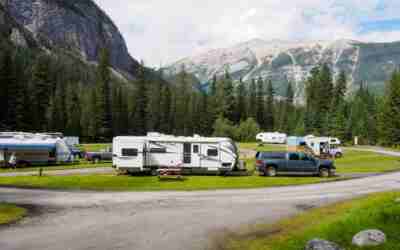
| 30 lb (RV) | 30 lb | 645,000 BTU | 16-32 hours at 40,000-20,000 BTU/hr |
| 40 lb | 40 lb | 860,000 BTU | 21-43 hours at 40,000-20,000 BTU/hr |
| 100 lb | 100 lb | 2.15 million BTU | About 54 hours at 40,000 BTU/hr |
| 500 gal home tank | 400 gal usable (80% fill) | About 36.6 million BTU | Roughly 2-12 months depending on use |
| 1,000 gal home tank | 800 gal usable (80% fill) | About 73 million BTU | About twice as long as a 500 gal tank at the same use |
Check the label on exchange tanks. Some are sold with less than a full 20 lb, which shortens every figure above.
How long a 20 lb tank lasts by appliance
These BTU ratings are typical, not universal. Your appliance’s data plate decides the real number.
| Appliance | Typical BTU/hr | Approx. burn time on 20 lb |
|---|---|---|
| Small 2-burner grill | 20,000-30,000 | 14-21 hours |
| Large 4-burner grill (all high) | 40,000-60,000 | 7-11 hours |
| Patio heater | 35,000-46,000 on high | 9-12 hours |
| Fire pit table | 40,000-60,000 | 7-11 hours |
| Gas log fireplace | 25,000-40,000 | 11-17 hours |
| RV furnace (while burning) | 20,000-30,000 | 14-21 hours of burn time |
| RV water heater | about 10,000 | About 43 hours of burn time |
| Portable generator, 2,000 W load | about 1-2 lb per hour | Roughly 10-20 hours |
RV furnaces cycle on and off. A furnace that burns 25,000 BTU/hr but runs 40% of the time averages 10,000 BTU/hr. A 30 lb tank (645,000 BTU) would then last about 64 hours, or roughly 2.5 days in cold weather.
Generators burn more as the load rises. Use the fuel consumption or runtime chart in the manual, which usually lists a 20 lb tank at 25%, 50% and full load. Our roundup of the best propane portable generators is a good starting point for comparing models.
Why your propane runs out faster than the chart says
Several things cut real-world runtime:
- Burner count and heat setting. Running all burners on high can use two to three times the fuel of a single burner on medium. Preheat only as long as needed.
- Wind. Wind pulls heat off a grill or patio heater, so you run it hotter to compensate.
- Cold weather. Propane vaporizes slowly in the cold. A small tank under heavy load can frost over and deliver weak flame while still holding fuel. Larger tanks handle cold draw better.
- Fill level. Exchange tanks are not always a full 20 lb, and refilled tanks are filled to a maximum of about 80% of volume for safety.
- Leaks and bad regulators. A slow leak can empty a tank overnight. Leak-test with soapy water any time the tank drains faster than expected.
- Rated vs. actual BTU. The rating is the maximum. Most cooking happens at 50-70% of it.
This is also why two sources can disagree by hours. One assumes a medium flame on a small grill, the other a full-blast four-burner. Use your own BTU rating and the formula above to settle it.
How to check how much propane is left in a tank
Weighing is the most reliable method for a portable cylinder.
- Find the TW (tare weight) stamped on the collar. A typical 20 lb tank is about 17 lb empty.
- Put the tank on a bathroom scale.
- Subtract the TW from the reading. The result is pounds of propane left.
With a 17 lb tare weight:
| Scale reading | Propane left | Level |
|---|---|---|
| 37 lb | 20 lb | Full |
| 32 lb | 15 lb | 75% |
| 27 lb | 10 lb | 50% |
| 22 lb | 5 lb | 25% |
| 17 lb | 0 lb | Empty |
Hot-water method: pour warm tap water down the side of the tank, then run your hand down the same spot. The tank feels cool where liquid propane sits, so the line shows the level. Do not use boiling water or a flame.
Inline gauges that screw between the tank and hose are handy but only approximate. Use them as an early warning, then confirm by weight before a long cookout or camping trip. Keep a spare tank for anything you can’t pause.
How long a home propane tank lasts and when to reorder
A 500-gallon tank filled to 80% holds about 400 usable gallons. How long that lasts depends on what the tank feeds. These are illustrative; your supplier’s delivery history for your house is better data.
- Cooking and water heating only: often a few hundred gallons a year, so 400 gallons could last well over a year.
- Whole-house heat in a cold climate: often 1,000 or more gallons a year. In deep winter, 150-250 gallons a month is plausible, which empties a 400-gallon fill in roughly two months.
- Standby generator: a whole-house unit can burn a couple of gallons per hour under load. Check the manual’s consumption chart and multiply by the outage length you want to cover.
Plan to reorder when the gauge reads about 25-30%, since winter deliveries can be delayed by weather. Never ask for more than 80% fill; propane expands with heat and the tank needs vapor space. If backup power is the goal, see our picks for the best propane generators for home backup.
Seasonal use is fine. Propane doesn’t spoil over the summer, so leaving a partly full tank over the off-season is safe as long as the valve is closed, the tank is upright outdoors, and the date stamp is current.
Our Top Picks
Ready to shop? These are the top-rated options from our hands-on roundup, Best 10kW Propane Generators of 2026.

Westinghouse iGen5000DF 5000 Peak Watt Dual Fuel Inverter Generator - Super Quiet RV Ready Remote Start

Westinghouse iGen4000DFc 4000 Peak Watt Dual Fuel Inverter Generator - Super Quiet RV Ready Remote Start CO Sensor

PowerSmart 3800 Watt Dual Fuel Inverter Generator Quiet Portable Gas Propane with CO Sensor RV Ready
As an Amazon Associate we earn from qualifying purchases. Product prices and availability are accurate as of the date/time indicated.
Frequently Asked Questions
Can I leave a propane tank outside in winter or summer?
Yes, outdoors is the correct place, upright, in a ventilated spot out of direct heat and away from doors and windows. Cold lowers pressure and flame strength but doesn’t harm the tank. Never store cylinders indoors, in a garage, or in a hot car.
What happens when a propane tank passes its expiration date?
The propane is fine, but the cylinder is out of date and needs requalification, typically around 12 years after manufacture for a 20 lb tank. Fill stations shouldn’t fill it. Exchange programs generally swap it for a current tank.
How long does a 1 lb propane cylinder last?
About 1.5 to 3 hours on a single camp stove burner running 7,000-10,000 BTU/hr, since a 1 lb cylinder holds about 21,500 BTU. A small lantern or low-output heater can stretch it longer. Always bring a spare.
Why is my grill using propane so fast?
Common causes are multiple burners on high, long preheating, wind, an exchange tank filled below 20 lb, or a leak. Check connections with soapy water, weigh the tank against its tare weight, and compare your burn rate to the BTU math above.
{“@context”: “https://schema.org”, “@type”: “FAQPage”, “mainEntity”: [{“@type”: “Question”, “name”: “Can I leave a propane tank outside in winter or summer?”, “acceptedAnswer”: {“@type”: “Answer”, “text”: “Yes, outdoors is the correct place, upright, in a ventilated spot out of direct heat and away from doors and windows. Cold lowers pressure and flame strength but doesn’t harm the tank. Never store cylinders indoors, in a garage, or in a hot car.”}}, {“@type”: “Question”, “name”: “What happens when a propane tank passes its expiration date?”, “acceptedAnswer”: {“@type”: “Answer”, “text”: “The propane is fine, but the cylinder is out of date and needs requalification, typically around 12 years after manufacture for a 20 lb tank. Fill stations shouldn’t fill it. Exchange programs generally swap it for a current tank.”}}, {“@type”: “Question”, “name”: “How long does a 1 lb propane cylinder last?”, “acceptedAnswer”: {“@type”: “Answer”, “text”: “About 1.5 to 3 hours on a single camp stove burner running 7,000-10,000 BTU/hr, since a 1 lb cylinder holds about 21,500 BTU. A small lantern or low-output heater can stretch it longer. Always bring a spare.”}}, {“@type”: “Question”, “name”: “Why is my grill using propane so fast?”, “acceptedAnswer”: {“@type”: “Answer”, “text”: “Common causes are multiple burners on high, long preheating, wind, an exchange tank filled below 20 lb, or a leak. Check connections with soapy water, weigh the tank against its tare weight, and compare your burn rate to the BTU math above.”}}]}