
Portable Generator Safety Rules
The core safety rules every portable generator owner should follow, from carbon monoxide risks to safe fuel handling.
We independently review everything we recommend. When you buy through our links, we may earn a commission. As an Amazon Associate we earn from qualifying purchases. Learn more ›
In-depth educational guides on generator and power station concepts, safety, and buying decisions.
The core safety rules every portable generator owner should follow, from carbon monoxide risks to safe fuel handling.
CARB is California's own stricter emissions standard on top of the federal EPA requirement. Here is what it means for buyers.
A practical breakdown of what common generator sizes can actually power, from small electronics to full home-backup setups.
EPA certification is a federal requirement for every U.S.-sold generator. Here is what it actually covers and why it matters.

A clear, step-by-step method for sizing a home backup generator correctly, including the running-watt and starting-watt math.
Inverter and conventional generators produce power very differently. Here's how each design works and which one actually fits your use case.

Renting and buying both make sense in different situations. Here's the real decision framework, including why rentals often fail you exactly when you need one most.
Generator exhaust produces deadly carbon monoxide. Here are the placement rules, CO alarm guidance, and safety features that actually prevent poisoning.
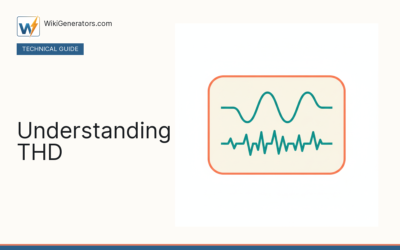
THD measures how clean a generator's power output is. Here's what it means, why it matters for laptops and sensitive electronics, and how to find the spec.
Running watts are the continuous power a generator supplies; starting watts are the momentary surge motor-driven appliances need to switch on. Here's how to size correctly for both.