
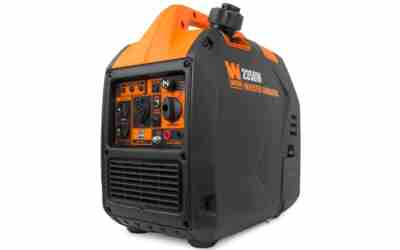
Portable Generators vs Inverter Generators: Which Wins?
Portable generators vs inverter generators: inverters win on quiet and clean power, while conventional units win on watts per dollar.
We independently review everything we recommend. When you buy through our links, we may earn a commission. As an Amazon Associate we earn from qualifying purchases. Learn more ›
In-depth educational guides on generator and power station concepts, safety, and buying decisions.
Portable generators vs inverter generators: inverters win on quiet and clean power, while conventional units win on watts per dollar.
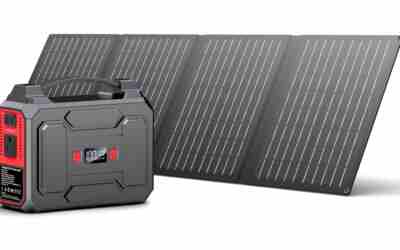
To buy a solar generator, add up your devices' watt-hours plus 20%, match the inverter to your surge watts, then size panels to recharge.
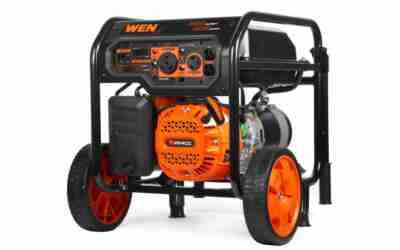
Most RVs need 3,000 to 4,000 running watts, and 30-amp rigs cap at 3,600; use this RV generator size worksheet to add up your loads.
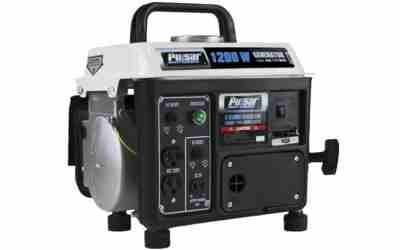
Gas generator vs battery backup: choose a battery for short outages and quiet, gas for multi-day outages and heavy loads like central AC or a well pump.
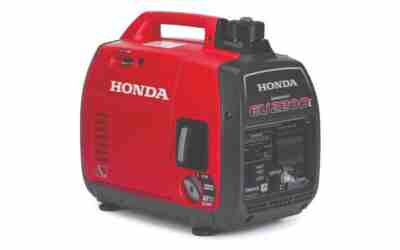
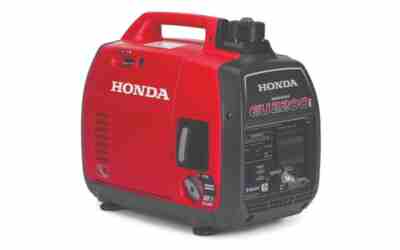
What makes an inverter generator different is clean, stable power and a throttle that follows load, so it runs quieter but costs more per watt.
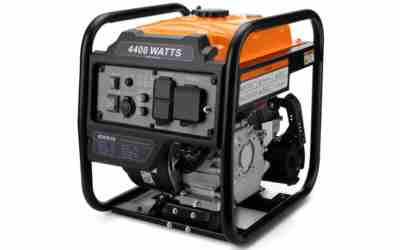
Portable generator wattage for most homes is 3,000–5,000 watts. Add running watts, add the biggest surge, then size up. Includes chart and example.
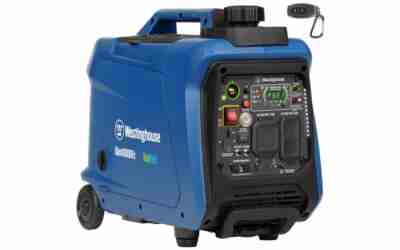
The right type of portable generator: a 1,000-2,000W inverter for camping, 3,000-7,000W for home backup. Use our sizing steps to pick.
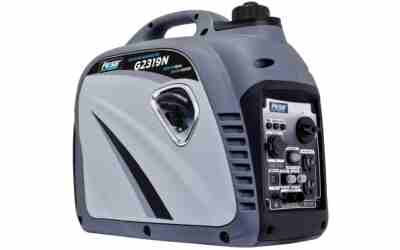
To parallel two inverter generators, use matching parallel-ready models and the maker's kit, connect with both off, then start. Total power is the sum of both.
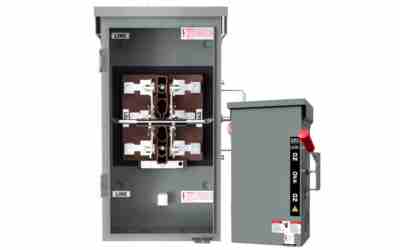
Connect backup generator to home with a transfer switch or interlock kit and outdoor inlet, installed with a permit. Never use a male-to-male cord.
Yes, you can connect a solar generator to your house: plug appliances in directly or use a transfer switch an electrician installs. Never backfeed.