
To use a generator transfer switch, you plug your generator into an inlet box, start it, then flip the switch from utility to generator so chosen circuits run on generator power and cannot backfeed the grid. Most areas require a permit and a licensed electrician for the install. Here is how it works, step by step.
What a generator transfer switch does
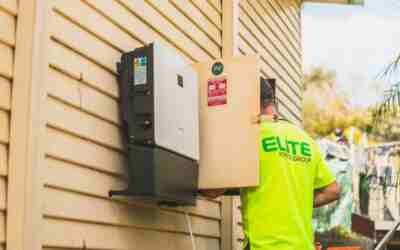
A transfer switch is a box wired next to your main electrical panel. It moves selected household circuits from utility power to generator power, and it physically prevents both sources from being connected at the same time. That second job is the safety-critical one.
Without it, a generator connected to a household circuit can push electricity back out through the utility transformer. This is called backfeeding. It can electrocute line workers repairing the outage, and it can damage your generator and wiring when utility power returns.
A transfer switch also lets you power hardwired items that extension cords cannot reach, such as a furnace blower, well pump, sump pump or a refrigerator on its own circuit. You flip one switch instead of running cords through windows.
- Manual transfer switch: you move the switch yourself. This is the usual choice for portable generators.
- Automatic transfer switch (ATS): senses an outage and starts and transfers on its own. It is paired with a standby generator.
This guide covers the manual type because it is what most homeowners use with a portable unit.
Choose the right type and size
Pick the switch based on your generator’s output plug and the circuits you want to power. Check the amperage first, because it caps how much power can flow through the inlet and cord.
| Inlet / switch size | Voltage | Max watts | Safe continuous (80%) |
|---|---|---|---|
| 30-amp | 120/240V | 7,200 W | about 5,760 W |
| 50-amp | 120/240V | 12,000 W | about 9,600 W |
Your generator’s running (rated) watts matter more than its starting watts. A 30-amp switch paired with a 5,000-watt generator is a common match. Do not buy a bigger switch than your generator can feed, and do not expect a small generator to run everything the switch can connect.
Circuit count
Switches come in different circuit counts, commonly 6 to 16 or more. List what you need most: refrigerator, freezer, furnace fan, a few lighting circuits, sump pump, well pump, internet equipment. Add up their running watts and confirm the total is below what your generator can deliver continuously.
Whole-panel vs. circuit-based
A circuit-based switch moves only selected circuits. A whole-panel switch (installed at the service entrance) transfers everything, but you must manage the load yourself. Circuit-based is simpler and safer for portable generators.
Some homeowners consider an interlock kit instead. Our comparison of a transfer switch vs interlock kit explains the tradeoffs in cost, convenience and code acceptance.
What you need before installation
Gather these items before you call an electrician or pull a permit:
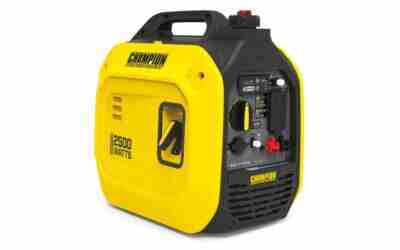
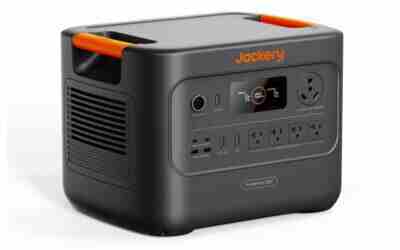
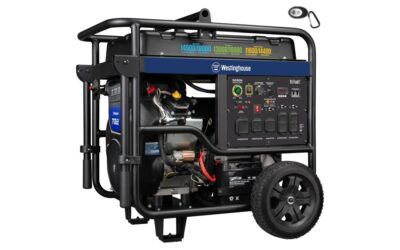
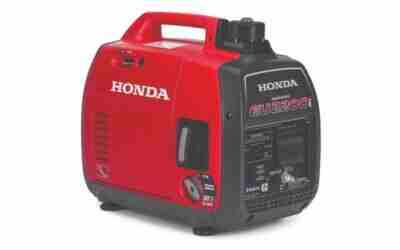
- A compatible generator. It needs a matching outlet, usually a 30-amp L14-30R or 50-amp 14-50R. If you are shopping, see our picks for the best portable generators.
- The transfer switch kit, sized to the generator. Our roundup of the best generator transfer switches can help you compare options.
- A power inlet box mounted on an exterior wall. Many kits include one.
- A generator cord rated for the amperage. A 30-amp cord is commonly 10-gauge four-wire; follow the switch and generator manuals.
- A permit. Most jurisdictions require one, and many require an inspection. Rules vary by city, county and utility.
Also confirm your main panel has space and the correct brand for the switch you chose. Some switches require specific breaker types or a subpanel. If your panel is full, an electrician may need to add a subpanel.
How a transfer switch is installed
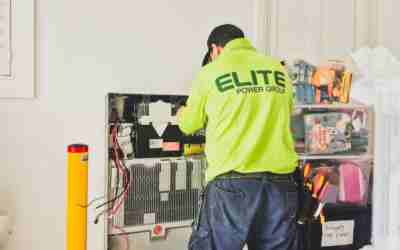
Wiring a transfer switch means working inside a live service panel. Hire a licensed electrician unless you are qualified and your local code allows homeowner work. Here is the typical sequence so you know what to expect.
- Choose the circuits. Decide which breakers will move to the transfer switch. Label them clearly.
- Mount the switch beside the main panel, within the distance your instructions allow.
- Shut off the main breaker and confirm the panel is de-energized. The service lugs stay live from the utility side, which is a reason this is not a casual DIY job.
- Move each selected circuit from its panel breaker to the matching transfer switch breaker, then connect the switch feed to the panel.
- Run the conduit and wiring from the switch to the exterior inlet box, using the wire gauge in the instructions.
- Mount and wire the inlet box outdoors, rated for weather.
- Test and inspect. The electrician should test the switch in both positions. The inspector signs off if your area requires it.
The neutral and grounding setup depends on the switch (3-pole or 4-pole) and on whether your generator has a bonded or floating neutral. Your electrician should confirm this against the manuals and local code. Getting it wrong can create shock hazards or stop breakers from tripping correctly.
How to operate it during an outage
Practice this sequence once before a storm so you are not learning it in the dark.
Switching to generator power
- Place the generator outdoors on level ground, at least 20 feet from the house and away from windows, doors and vents. Never run it in a garage, even with the door open.
- Turn off or unplug large appliances and set all switch circuit breakers to off.
- With the switch still in the Line (utility) position, plug the cord into the generator and the inlet box.
- Start the generator and let it run for a minute or two to stabilize.
- Flip the transfer switch to the Generator position. Some models require turning the main breaker off first. Follow your manual.
- Turn on the circuit breakers one at a time, largest loads first, watching the generator’s load indicator or wattmeter.
Returning to utility power
- Turn off the circuit breakers on the transfer switch.
- Flip the switch back to Line (utility).
- Let the generator run a moment with no load, then shut it off and unplug the cord.
- Turn the circuits back on.
Refuel only when the generator is off and cool. Plan for fuel supply, since a portable generator can burn through a tank in several hours under load. If you need longer run times or a permanent setup, look at our best generators for home backup.
Safety rules and common mistakes
Most transfer switch problems come from overloading, bad cords or poor placement. Watch for these:
- Using a “suicide cord”. A cord with male plugs on both ends is illegal and deadly. Never plug a generator into a wall outlet.
- Overloading the generator. If it bogs down or trips its breaker, shed loads. Heavy items like well pumps, air conditioners and electric ranges can exceed a small unit.
- Running the generator indoors or too close. Carbon monoxide kills quickly. Use battery-powered or plug-in CO alarms with battery backup inside the home.
- Skipping the permit. An uninspected install may void homeowner’s insurance coverage for related damage. Check your policy and local code.
- Wrong cord gauge or length. An undersized cord overheats. Use the gauge your switch and generator call for.
- Forgetting maintenance. Run the generator under load periodically, keep fresh fuel or stabilizer in the tank, and test the switch a couple of times a year.
- Ignoring sensitive electronics. Conventional generators can output less stable power. Inverter models are better for computers and modern furnace controls.
Specific rules, such as inspection requirements and required labels, differ by jurisdiction and the edition of the National Electrical Code your area follows. Your local building department has the final word.
Our Top Picks
Ready to shop? These are the top-rated options from our hands-on roundup, Best Generator Transfer Switches of 2026.
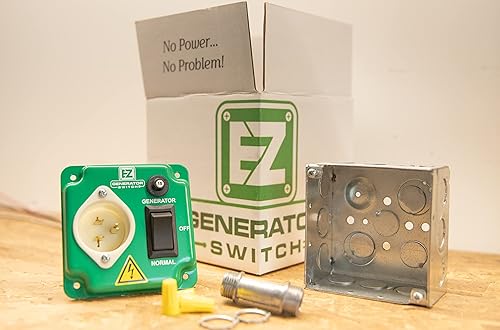
EZ Generator Switch: Original Patented Manual Transfer Switch, UL/CSA/ETL Approved, Made in USA

MUJURUR 100A Generator Transfer Switch - 24,000W Manual Double Throw, NEMA 3R Outdoor, 10-Year Warranty

DSGSANO 50A Manual Generator Transfer Switch Pro/Tran2, 10-Circuit 240V for Home Backup RV Off-Grid
As an Amazon Associate we earn from qualifying purchases. Product prices and availability are accurate as of the date/time indicated.
Frequently Asked Questions
Do I need an electrician to install a generator transfer switch?
In most places, yes. The work happens inside a live service panel and usually requires a permit and inspection. Some jurisdictions allow homeowner electrical work, but the risks are high. Check your local code and consider a licensed electrician either way.
What size transfer switch do I need for a portable generator?
Match the switch to your generator’s output plug. A 30-amp switch suits many 5,000 to 7,500 watt generators, while a 50-amp switch fits larger units. Then choose a circuit count that covers your essential loads without exceeding the generator’s running watts.
Can I use a transfer switch with an inverter generator?
Yes, if the generator has enough running watts and the right outlet, such as a 30-amp L14-30R. Many smaller inverter generators only have 120V outlets or 20-amp receptacles, so you may need a different switch setup or a generator with a higher output.
Can a transfer switch run my whole house?
Only if your generator can handle the total load. Most portable generators power essential circuits, not a whole house with central air and electric appliances. Add up the running watts of what you need and stay under about 80% of the generator’s continuous rating.