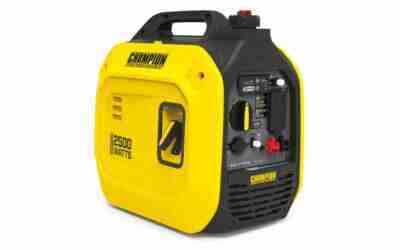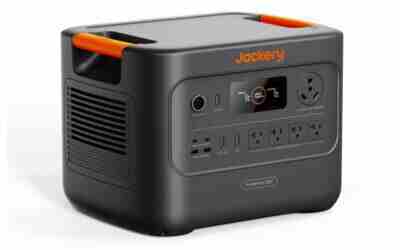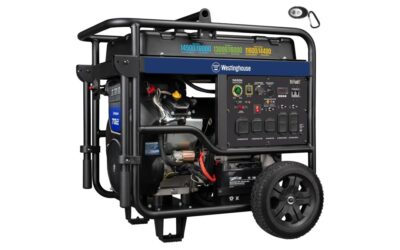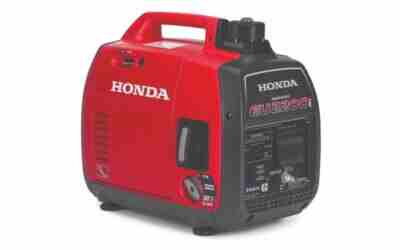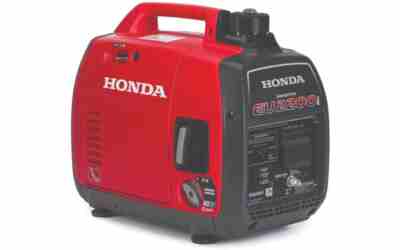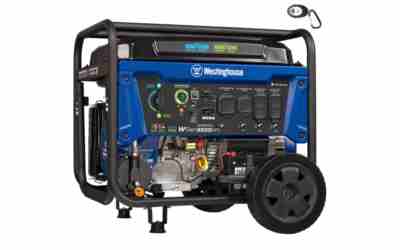

Generator noise is measured in decibels (dB), a logarithmic scale where roughly every 10 dB increase is perceived by human hearing as about twice as loud — so the difference between a 60 dB and 70 dB generator is much bigger in practice than the numbers alone suggest. Quiet inverter generators commonly advertise 50–60 dB, while conventional generators often run 70–80+ dB, typically measured at a standard distance of about 23 feet.
Why the Decibel Scale Is Tricky
Because dB is logarithmic, small-looking number differences represent large real-world differences in loudness. A generator rated at 70 dB isn’t “10% louder” than one rated at 60 dB — it’s roughly perceived as twice as loud. This matters when comparing two models that look close on paper; a 10-point gap is a genuinely noticeable practical difference, not a rounding error.
Common Reference Points
| Sound | Approximate dB |
|---|---|
| Normal conversation | ~60 dB |
| Quiet inverter generator | ~50-60 dB |
| Vacuum cleaner | ~70-80 dB |
| Conventional (open-frame) generator | ~70-80+ dB |
| Gas-powered lawn mower | ~85-90 dB |
The Measurement Conditions Matter — and Aren’t Always Disclosed
Manufacturer dB ratings are typically measured at a standard distance (commonly 23 feet, an industry-common convention) and often at a specific, lighter load (frequently 25% load) rather than full output, since noise increases with load. Two generators’ published dB figures are only a fair comparison if measured under similar conditions — and not every manufacturer discloses their exact test methodology clearly, so treat published specs as a useful guide rather than an exact, guaranteed real-world figure for your specific use.
Why Inverter Generators Are Usually Quieter
This comes back to the same design difference covered in our inverter vs. conventional generators guide — an inverter generator’s engine speed varies with actual demand and can throttle down significantly at light load, while a conventional generator’s engine runs at a fixed RPM regardless of how much power you’re drawing.
Where Noise Matters Most
Noise-sensitive situations — camping near other campers, tailgating, RV parks with quiet hours, or a suburban neighborhood during an extended outage — are where a low-dB rating earns its price premium. See our best quiet generators, best quiet generators for camping, and best RV generators (quiet) roundups if this is your priority.
Frequently Asked Questions About Generator Noise Ratings
Is a 10 dB difference between two generators a big deal?
Yes, more than the number suggests — because the decibel scale is logarithmic, a 10 dB difference is roughly perceived as twice as loud, not just marginally louder.
At what distance are generator dB ratings usually measured?
Commonly around 23 feet, an industry-common convention, though not every manufacturer clearly discloses their exact measurement distance and load conditions.
Will a generator sound louder at full load than its published dB rating?
Often yes — published specs are frequently measured at a lighter load (commonly around 25%), and noise typically increases as load increases toward the generator’s maximum output.
Are inverter generators always quieter than conventional ones?
Usually, especially at partial load, since their engine speed can drop with lower demand — though the gap narrows at full load when both designs’ engines are working near maximum.
What’s a good dB rating to look for if quiet operation matters most?
Generally look for ratings in the 50s, which are common among quality inverter generators and are noticeably quieter than the 70-80+ dB range typical of conventional units.