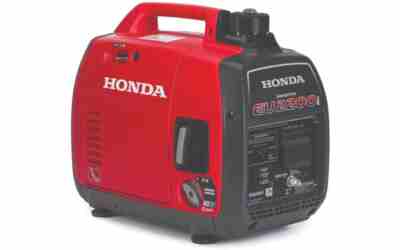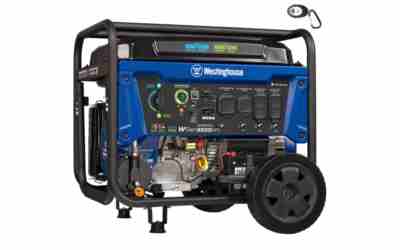

Check the oil level and inspect the air filter before every use, change the oil after the initial break-in period and then roughly every 50–100 hours (or at least once a year for infrequent use, since oil degrades with age regardless of hours), and run the generator briefly every month during long idle periods to keep the engine, carburetor, and battery in good condition. Skipping this basic routine is the single biggest reason generators fail to start exactly when they’re needed most.
Before Every Use
- Check the oil level and top off if needed.
- Visually inspect the air filter for dirt or damage.
- Check fuel level and fuel quality if it’s been sitting a while.
- Inspect cords and connections for damage before connecting anything.
Regular Interval Maintenance
| Task | Typical Interval |
|---|---|
| First oil change (new engine break-in) | After the first 20-25 hours (check your manual) |
| Regular oil changes | Every 50-100 hours, or at least once a year |
| Air filter check/clean | Every 25-50 hours |
| Air filter replacement | As needed, or annually |
| Spark plug inspection/replacement | Annually or every 100 hours |
| Exercise run during storage | Monthly, roughly 15-30 minutes under some load |
Fuel System Care
Gasoline degrades within about 30 days without treatment, which is the leading cause of hard-starting or no-start issues in generators pulled out of storage. Either add a fuel stabilizer to gasoline you plan to store for more than a month, or run the tank and carburetor dry before long-term storage. Propane and diesel-fueled units avoid most of this problem — see our gasoline vs. propane vs. diesel generators guide for how storage life compares across fuels.
Winterizing for Cold Climates
In freezing climates, drain or stabilize the fuel system before winter storage, and consider a cold-weather fuel additive if you’ll be running on gasoline in sub-freezing temperatures. Keep the unit stored somewhere dry rather than exposed to direct snow/ice buildup, and check the battery charge on electric-start models before the season you’ll actually need it.
Keep a Simple Run-Hour Log
Many generators track hours automatically; if yours doesn’t, a simple written log of when you ran it and for how long makes it much easier to hit your actual maintenance intervals accurately, rather than guessing or maintaining on a purely calendar-based schedule that doesn’t reflect real usage.
Choosing a Generator That’s Easier to Maintain
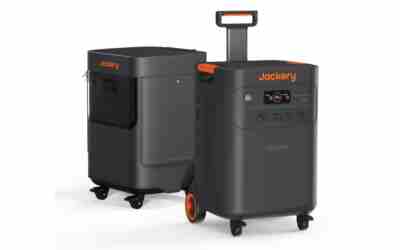
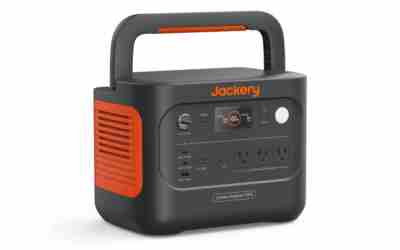
If low-maintenance ownership matters to you, dual-fuel models running primarily on propane sidestep most gasoline-storage issues entirely — see our best portable dual fuel generators roundup. Battery-based power stations remove routine engine maintenance from the picture altogether — see our best portable power stations for home guide if that fits your needs better.
Frequently Asked Questions About Generator Maintenance
How often should I run my generator if I rarely use it for outages?
About once a month for 15-30 minutes under some load is a common recommendation to keep the engine, carburetor, and battery from deteriorating during long idle periods.
What’s the most common reason a stored generator fails to start?
Stale, degraded gasoline left in the tank and carburetor is one of the most common causes — either use a fuel stabilizer or run the fuel system dry before storing it for an extended period.
Do I need to change the oil even if I barely use my generator?
Yes — oil degrades with age, not just hours of use, so an annual oil change is generally recommended even for units that see very light use.
How do I know what maintenance interval applies to my specific generator?
Always check your owner’s manual first — intervals can vary somewhat by manufacturer and engine design, and the manual is the authoritative source for your specific model.
Does using propane instead of gasoline reduce how much maintenance a generator needs?
It reduces fuel-related issues specifically (stale gasoline gumming up a carburetor), since propane doesn’t degrade in storage, though other maintenance items like oil changes still apply regardless of fuel type.