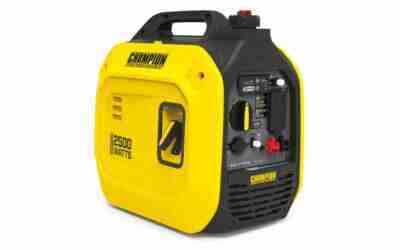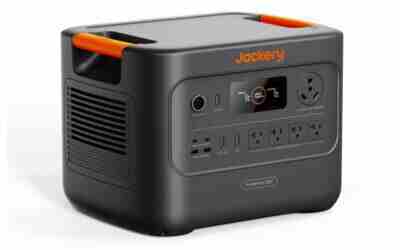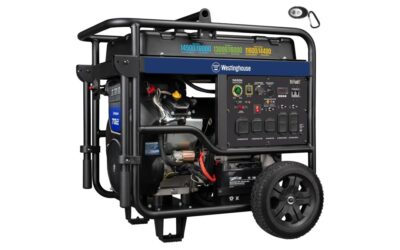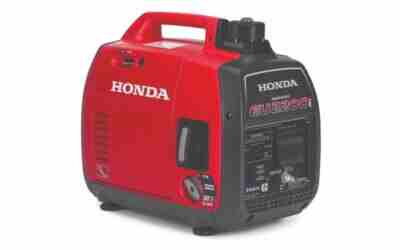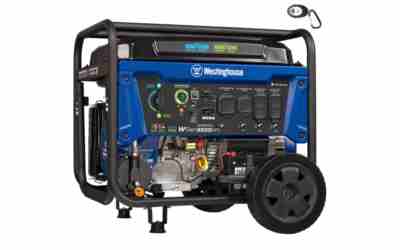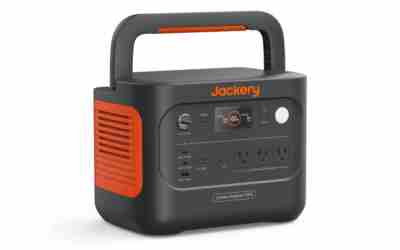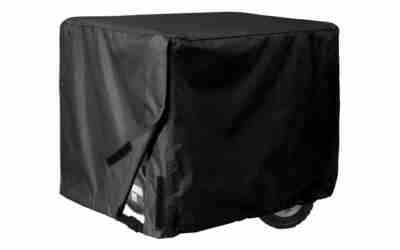

A standby generator is permanently installed outside your home, wired to an automatic transfer switch, and starts itself within seconds of an outage — no manual setup required, even if you’re not home. A portable generator costs far less and can go camping, RV-ing, or to a job site too, but needs to be manually positioned, started, fueled, and connected every time you use it. The core tradeoff is automatic, hands-off protection versus lower cost and everyday flexibility.
How Standby Generators Work
A standby generator sits on a permanent pad outside your home, typically fueled by your existing natural gas or propane line, and is paired with an automatic transfer switch (ATS) that continuously monitors utility power. The moment it detects an outage, it starts the generator and switches your home over automatically — usually within about 10–30 seconds — with no one needing to be present. This makes it the only realistic option that protects your home (avoiding a frozen sump pump, a failed well pump, or spoiled refrigerated food) while you’re away.
How Portable Generators Work
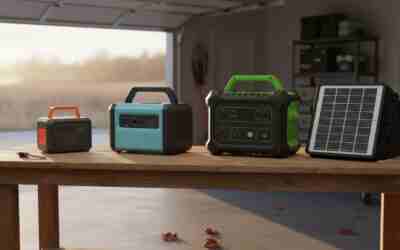
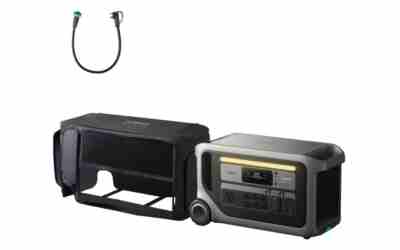
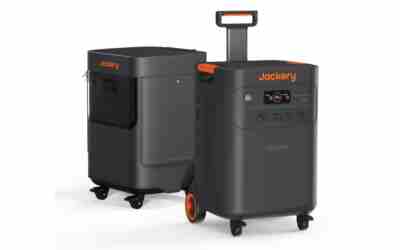
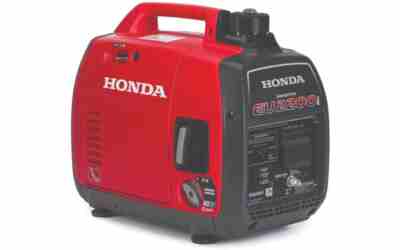
A portable generator has to be manually carried outside, positioned at a safe distance from the home, started (or remote/electric-started on some models), refueled as needed, and connected via extension cords, an interlock kit, or a manual transfer switch. It requires someone physically present to set it up during the actual outage — a real practical gap compared to a standby system, but it comes at a fraction of the cost, and can be used for camping, RV trips, and job sites, not just tied permanently to one house.
Side-by-Side Comparison
| Standby | Portable | |
|---|---|---|
| Startup | Automatic, ~10-30 seconds, no one needed | Manual setup and start required |
| Typical installed cost | $3,000-$15,000+ | $300-$3,000+ |
| Fuel source | Natural gas or propane line, essentially unlimited runtime | Gasoline, propane, or dual/tri-fuel, refueled manually |
| Coverage | Whole house or large sub-panel | Selected essential circuits or direct cord-and-plug use |
| Portability | None — permanently installed | Fully portable — usable for camping, RV, jobsite too |
| Protects you while away from home | Yes | No — requires someone present |
Which One Actually Fits Your Situation?
If you travel often, live somewhere prone to extended multi-day outages, or simply want true set-it-and-forget-it protection, a standby generator is worth the higher upfront cost — see our best home standby generators guide. If budget matters more, or you want a generator that also serves camping, RV, or jobsite needs, a portable generator is the more versatile, affordable choice — see our best portable generators for home backup and best backup generators for home roundups.
A Middle Ground: Portable Generators With an Interlock Kit
You can get some of a standby system’s convenience — whole-panel access rather than a limited direct-plug setup — from a portable generator paired with a properly installed transfer switch or interlock kit, at a fraction of a standby system’s cost, while accepting that manual setup and presence during the outage are still required.
Frequently Asked Questions About Standby vs. Portable Generators
Do standby generators require a permit to install?
Yes, typically — standby generator installation involves gas-line and electrical work requiring licensed professionals and local permits, unlike simply buying and using a portable unit.
Can a portable generator protect my home while I’m on vacation?
No — portable generators need someone present to set them up and start them, so they can’t provide protection during an outage that occurs while you’re away. This is the core advantage a standby system offers instead.
How much more does a standby generator cost than a portable one?
Substantially more — standby systems including installation typically run several thousand dollars or more, compared to a few hundred to a few thousand dollars for a portable generator alone.
Can I use a standby generator for camping or a job site?
No — standby generators are permanently installed and not portable at all. If you want a generator that also serves other uses, a portable model is the only option.
Does a portable generator with an interlock kit work almost as well as a standby system?
It gives you similar whole-panel circuit access, but not the automatic, no-presence-required startup that defines a true standby system — you’ll still need to manually set up and start the generator yourself.