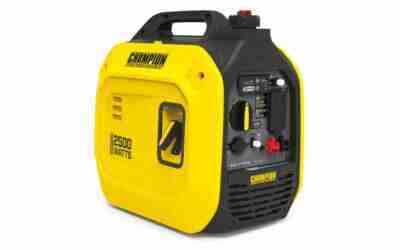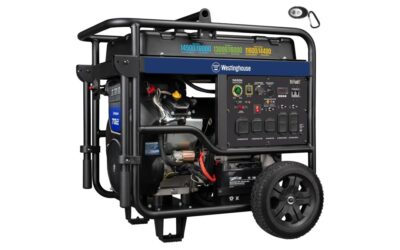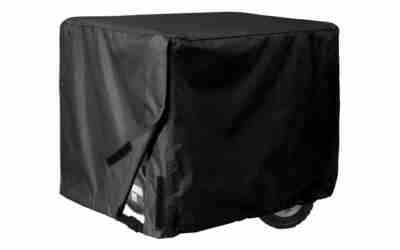

Portable generators must run outdoors, at least 20 feet away from any window, door, or vent, with the exhaust pointed away from your home – never in a garage, basement, crawlspace, or carport, even with the door open. Generator exhaust contains carbon monoxide (CO), an odorless, colorless, tasteless gas that can build to fatal concentrations in an enclosed or semi-enclosed space in minutes. According to the U.S. Consumer Product Safety Commission, CO poisoning is the leading cause of death associated with portable generators, most often in the hours during and after storm-related power outages.
The 20-Foot Rule, Explained
The 20-foot minimum distance from your house (and from any neighboring structure) is a floor, not a target – further is safer, and wind direction matters too. Point the exhaust away from your home and any occupied space, and never run a generator under a carport, in an attached garage with the door up, on a porch, or near a window or vent even if it’s technically outdoors. CO doesn’t need an open door to enter a house; it can seep in through vents, cracks, and even attached-garage walls.
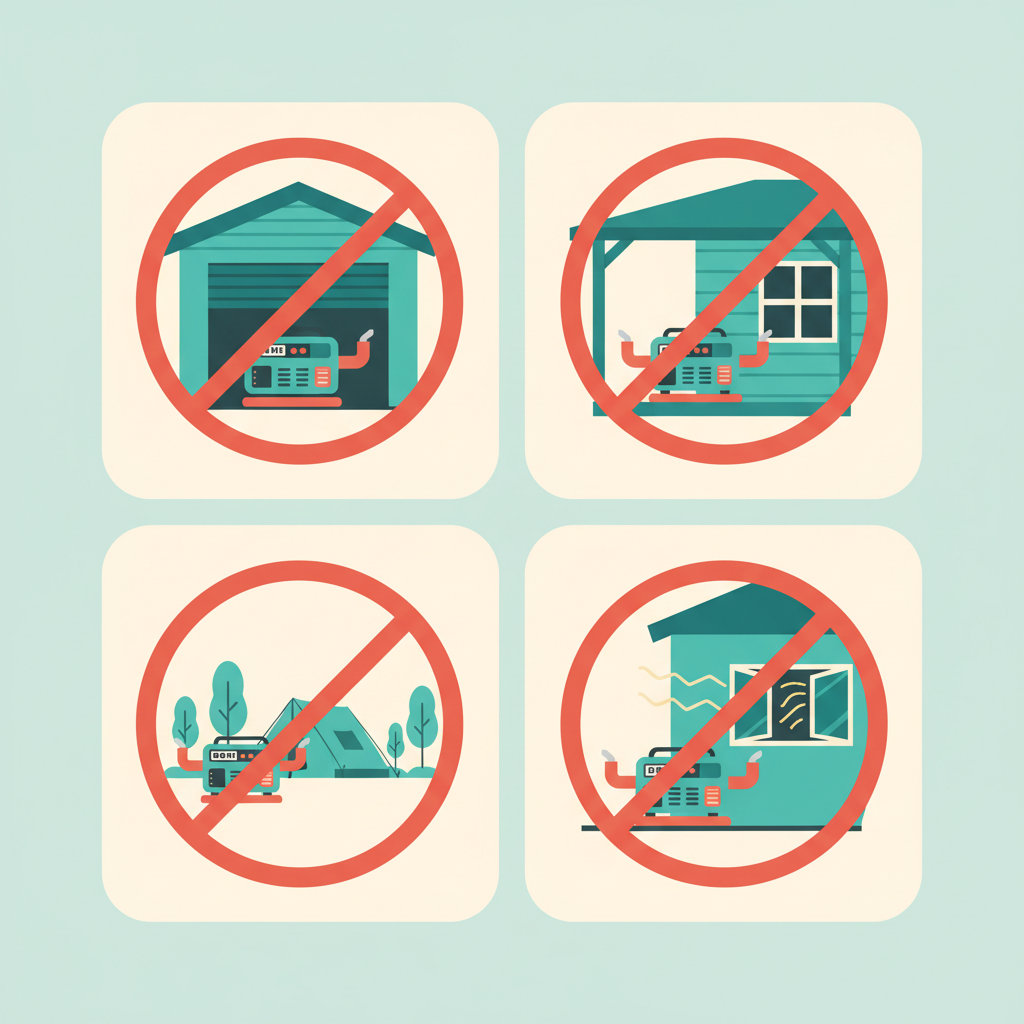
Places a Generator Should NEVER Run
- Inside a garage, basement, or crawlspace – even with the door or a window open
- On a porch, patio, or under a carport attached to the house
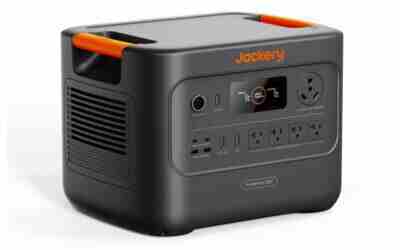
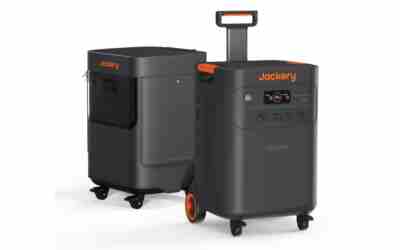
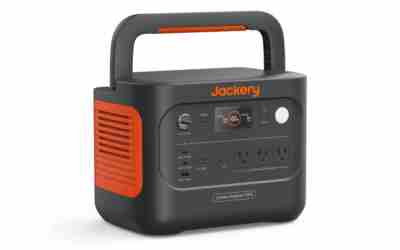
- Inside a tent, camper, or RV (portable power stations with no combustion engine are the safe alternative for enclosed spaces – see our best portable power stations for CPAP if you need indoor-safe backup power for medical equipment)
- Anywhere near a window, door, or vent, even if the generator itself is outdoors
Install CO Alarms – Don’t Rely on Symptoms Alone
Because CO has no smell, taste, or color, you cannot detect a dangerous buildup on your own senses. Install battery-powered or battery-backup CO alarms on every level of your home, especially near sleeping areas, and test them regularly. Early symptoms of CO exposure – headache, dizziness, weakness, nausea – are easy to mistake for the flu or simple fatigue, especially at night, which is part of why fatalities happen during sleep. If an alarm sounds, get everyone outside into fresh air immediately and call emergency services before trying to identify the source.

Automatic CO Shutoff Sensors: A Real Safety Feature Worth Paying For
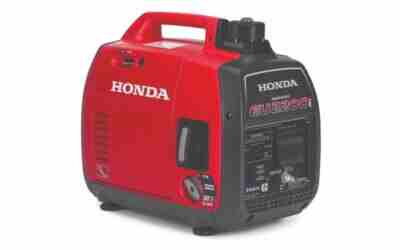
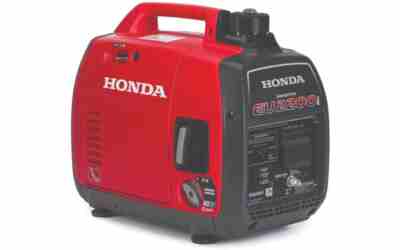
Many newer portable generators include a built-in CO sensor (sometimes branded, e.g. Honda’s “CO-Minder”) that continuously monitors ambient carbon monoxide near the unit and automatically shuts the engine off if levels become dangerous – a real, meaningful safety layer on top of following the 20-foot rule, not a replacement for it. When comparing models for home backup use, treat a built-in CO shutoff sensor as a genuine differentiator, not a marketing footnote; see our best generators for home backup picks for models that include it.
Other Generator Safety Basics Worth Knowing
- Let it cool before refueling. Gasoline splashed on a hot engine or muffler can ignite. Always shut down and let the unit cool before adding fuel.
- Keep it dry. Never operate a generator in rain or standing water without a rated canopy, and never touch it with wet hands.
- Use heavy-duty outdoor-rated extension cords sized for your load – a cord that’s too thin for the distance/current can overheat.
- Never plug a generator directly into a wall outlet (“backfeeding”). This can electrocute utility workers repairing lines and is illegal in most areas without a proper transfer switch or interlock kit.
Choosing Generators for Home Backup, Camping, and RV Use
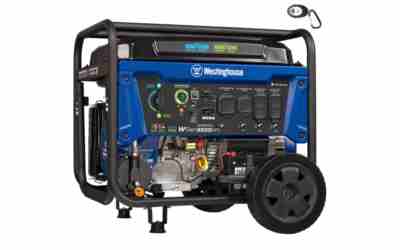
Whatever the use case, the placement rules above never change. For emergency home backup, browse our best portable generators for home backup roundup – all models still require proper outdoor placement regardless of specs. RV owners should never run a generator inside or directly beneath a parked RV; see our best portable inverter generators for compact, quieter options that are still easy to position safely at a proper distance from the RV’s windows and vents.
Frequently Asked Questions About Generator Carbon Monoxide Safety
Is it safe to run a generator in the garage with the door open?
No. An open garage door does not provide enough ventilation to prevent dangerous CO buildup, and CO can still migrate into the attached house. Generators must run fully outdoors, at least 20 feet from the home.
How quickly can carbon monoxide from a generator become dangerous?
In an enclosed or poorly ventilated space, CO concentration can reach fatal levels within minutes. This is why placement rules are non-negotiable rather than a matter of convenience.
Do CO shutoff sensors replace the need for CO alarms in the house?
No. A generator’s built-in CO sensor protects against buildup near the unit itself; household CO alarms protect the people inside your home. Use both – they cover different things.
Can I run a generator safely in the rain if I follow the 20-foot rule?
The 20-foot rule addresses carbon monoxide specifically, not electrical/water safety. Generators still need a rated canopy or cover to run safely in rain, and should never be handled with wet hands regardless of placement distance.
What should I do if a CO alarm goes off while a generator is running?
Get everyone into fresh air immediately, shut down the generator only after everyone is safely outside, and call emergency services. Don’t spend time investigating the cause before evacuating.