The answer to how safe are solar batteries is simple: safe for home use when they are UL-listed and installed to code.
Are solar batteries safe for home use?
Yes, with conditions. A listed battery, installed by a licensed pro to your local code, is a low-risk appliance. The fire risk is low but not zero. Fires do happen, mostly from defective cells, damaged units, poor installation or extreme heat. No battery is risk-free, and chemistry and placement matter most.
The main hazard is thermal runaway. A damaged or faulty cell overheats, which heats the next cell, and the chain reaction spreads like dominos. It can end in fire and toxic smoke.
Other hazards are real but narrower:
- Electric shock: home battery systems run high-voltage DC wiring that only a qualified installer should touch.
- Off-gassing: overheated lithium cells vent flammable, toxic gas. Flooded lead-acid batteries release hydrogen while charging.
- Heat and cold: hot spaces stress cells, and charging lithium below freezing can damage them. Your manual or label gives the limits.
Two product types follow different rules, so keep them separate. Permanently installed home batteries are judged as systems (UL 9540) and need permits and inspection. Portable power stations are consumer products (UL 2743) that you plug in yourself and place by the manual. Most of this guide covers the first type, and the checklist at the end covers both.
Local rules, your insurer and your HOA can all add requirements on top of the manufacturer’s instructions, so treat the manual and your local building office as the final word on any limit in this guide.
How safe are solar batteries by chemistry?
Chemistry changes how a battery fails, not whether it is worth using. Lithium iron phosphate (LiFePO4 or LFP) is more thermally stable than nickel manganese cobalt (NMC). That is why most home batteries and many newer solar generators use it. LFP can still burn if it is abused or defective.
| Chemistry | Thermal runaway | Typical temperature range | Off-gassing | Choose it if | Where it loses |
|---|---|---|---|---|---|
| LiFePO4 (LFP) | Starts at a higher cell temperature than NMC | Charge about 32 to 113°F; discharge about -4 to 140°F | Vents flammable gas if it fails | You want the lowest lithium fire risk for a home or RV | Heavier than NMC for the same energy |
| NMC lithium-ion | Triggers at a lower cell temperature; fires burn hotter | Charge about 32 to 113°F; discharge about -4 to 140°F | Vents flammable, toxic gas if it fails | Space or weight is tight and the unit is properly listed | Less thermal margin |
| Lead-acid (flooded or AGM) | No cell-to-cell runaway like lithium; can still overheat if overcharged | Varies by product; use the label | Flooded types release hydrogen while charging; sealed AGM releases far less | Upfront cost matters most and you can ventilate | Heavy, shorter lifespan, flooded types need upkeep and acid care |
The lithium temperature ranges are a rule of thumb. Your battery’s manual or label sets the real operating and charging limits, and charging lithium outside its range is the habit most worth avoiding.
Saltwater and zinc-bromide flow batteries exist too. Their electrolytes are less flammable, but they are bulky and rare in US homes.
One-line rule: pick LFP unless you have a specific reason not to, then verify the listing.
Which safety certifications should a solar battery have?
A listing means an independent lab tested the product against a published standard. Check the label or spec sheet, and ask the installer for the listing documents.
| Standard | What it covers | Applies to |
|---|---|---|
| UL 9540 | The complete energy storage system: battery, inverter and controls working together | Home battery systems |
| UL 1973 | Battery packs and modules for stationary storage | Battery inside a home system |
| UL 9540A | A fire test method showing how a failure spreads; not a pass/fail label | Test data that code officials may request |
| UL 2743 | Portable power packs | Portable power stations |
| IEC 62619 | Safety of industrial lithium cells and batteries | Cells and packs, often cited by manufacturers |
Do not treat a standard as proof of a certain performance level. A UL 9540 listing tells you the system was tested, and it is also what building codes generally require for installed storage. It does not replace correct installation.
Watch for vague wording like “safety tested” or “meets UL standards” with no listing number. A real listing names the standard and the exact model.
Installation is the other half of the safety picture. Permanent systems usually need an electrical permit and an inspection, and your local building department can tell you which codes it enforces and which paperwork the installer must file. A system that was never permitted may be a problem later with your insurer or at resale.
Where can you install a solar battery safely?
Location rules come from the installation manual, the fire code (NFPA 855 is the national model), your local building department and sometimes your insurer. Local code varies by adopted edition, and the authority having jurisdiction (your local fire or building office) has the final say.
Under NFPA 855 as commonly adopted for homes, these are generally allowed spots:
- Attached or detached garages
- Outdoor walls, at least 3 ft from doors and windows
- Utility closets or other utility and storage spaces
The same editions limit each individual unit to 20 kWh, and cap total stored energy at 40 kWh in utility closets and storage spaces and 80 kWh in garages and outdoor installs. They also call for walls and ceilings of unfinished rooms to have at least 5/8 in. gypsum board. These figures depend on the code edition your area adopted, so confirm them locally.
Worked example: batteries rated 13.5 kWh each, each under the 20 kWh unit limit.
- Utility closet: two units total 2 × 13.5 = 27 kWh, under the 40 kWh cap. Three units total 3 × 13.5 = 40.5 kWh, over it.
- Garage: five units total 5 × 13.5 = 67.5 kWh, under the 80 kWh cap. Six units total 6 × 13.5 = 81 kWh, over it.
A layout over the cap needs a different location or an alternative design approved by your local office.
Beyond code, keep these in mind:
- Keep batteries out of bedrooms and away from exits.
- Stay inside the manufacturer’s temperature range. An uninsulated garage in a hot or freezing climate may not qualify.
- Avoid spots that can flood, and keep the area around the unit uncluttered.
- Permits are usually required, and an HOA may have its own rules. Tell your insurer, since policy terms vary.
What are the warning signs of a failing battery?
Most failures give some warning. Treat any of these as a reason to stop using the battery:
- A swollen, bulging or warped case
- Unusual heat while idle or lightly loaded
- A sweet, chemical or burning smell
- Hissing, popping or leaking fluid
- Repeated error codes, or a charge level that drops suddenly
If you see a sign, do this:
- If it is safe to do so, turn off the loads and the charging source. Do not touch a hot or leaking unit with bare hands.
- Move people and pets away. If the unit is smoking, hot or hissing, leave the building and call 911.
- If there are no flames or smoke, call the installer or manufacturer and report it.
- Do not open, puncture or repair the case yourself.
- Check the manufacturer’s site for recalls, since several makers have recalled home batteries.
Many recalled units never burned, but a recall notice is a reason to act, not wait.
What happens in a solar battery fire?
A lithium battery fire is hard to put out. It can flare up again after it seems finished, and the smoke is toxic. Do not try to fight it. Get everyone out and call 911. Tell the dispatcher it is a lithium battery so responders know what they face.
Hardwired smoke or heat alarms near the battery give you an early warning, and many installers can connect the battery’s monitoring app to send alerts for temperature and fault codes. After any fire or overheating event, the unit should be inspected by the installer or manufacturer before anyone uses it again, even if it looks fine.
Fire departments are increasingly familiar with home storage, and some local offices will review plans or answer questions before installation. Asking early costs nothing and can shape where the battery goes.
How should you store and charge a solar battery?
Everyday habits cut risk further, especially for portable power stations:
- Use the charger and cables that came with the unit, or ones the manual approves.
- Keep vents clear, and do not cover a unit while it charges or runs.
- Keep it away from heaters, direct sun and hot vehicles.
- Do not charge a visibly damaged unit.
- Follow the manual for storage charge level and temperature range.
A damaged or dead battery should never go in household trash or a curbside recycling bin. Ask the installer or manufacturer about take-back, or use a household hazardous waste site or battery recycler, and keep the battery away from flammable items until pickup.
Solar battery safety checklist before you buy or install
Run through this list before you sign or buy:
- Listing: UL 9540 for the system and UL 1973 for the battery in a home install, or UL 2743 for a portable power station. Get the listing in writing.
- Chemistry: prefer LiFePO4. For lead-acid, plan ventilation and choose sealed types if you cannot vent well.
- Installer: licensed, insured and willing to pull permits.
- Placement: ask where it goes, what clearances apply and which code edition your area uses.
- Temperature: confirm the operating and charging range fits your climate.
- Monitoring: look for an app or alerts that flag temperature and fault codes.
- Paperwork: notify your insurer and check HOA rules.
Decision rule: if an installer cannot name the UL listing and the clearances for your site, find another installer.
Our Top Picks
Ready to shop? These are the top-rated options from our hands-on roundup, Best Solar Powered Generators For Home Use of 2026.

Anker 521 256Wh LiFePO4 Portable Power Station, 300W Solar Generator 600W Surge, 6 Ports PowerHouse

GRECELL H2400 2400W 1843Wh LiFePO4 Portable Power Station Solar Generator UPS Backup 4800W Peak Fast 2Hr Charge Camping RV

GRECELL 500W Portable Power Station 519Wh Solar Generator Peak 1000W 10-Port for Camping RV Emergency Backup
As an Amazon Associate we earn from qualifying purchases. Product prices and availability are accurate as of the date/time indicated.
Related reading: How to Connect a Solar Generator to a House (3 Safe Ways) · How to Keep Portable Solar Panels Safe and Secure
Frequently Asked Questions
Can a solar battery be installed indoors?
Often yes, in places your local code allows, such as a garage or a utility closet, but living areas are generally restricted. Ask your local building office which rooms are permitted and what fire protection it expects.
Do LFP batteries catch fire?
They can, but it is less likely than with NMC because LFP cells tolerate more heat before thermal runaway starts. Defects, physical damage, overcharging and poor installation can still cause a fire. If you want the lowest lithium risk, choose LFP with a UL 9540 listing.
Can a solar battery explode?
A failing lithium battery can vent gas that ignites, sometimes with a loud pop or burst of flame. Confined spaces and gas buildup make this more likely, which is why listed systems include protections and why installers follow ventilation and spacing rules. True explosions are rare.
Is a portable power station safe to use in a bedroom?
Many people run them for CPAP machines, but the manual governs. Keep it on a hard surface with clear vents, away from bedding and heat. Permanently installed home batteries are different and should stay out of sleeping rooms.
Is a solar battery safer than a gas generator?
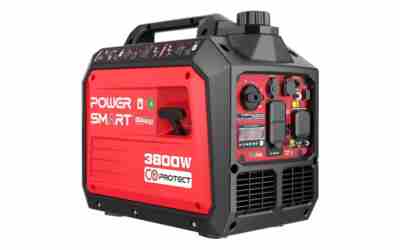
They carry different risks. A battery produces no exhaust, so there is no carbon monoxide, while a gas generator brings fuel storage and exhaust hazards. A battery’s main risk is fire from a fault or damage. Decision rule: if you want indoor or garage-adjacent backup power with no fumes, choose a listed battery over a gas generator.
{“@context”: “https://schema.org”, “@type”: “FAQPage”, “mainEntity”: [{“@type”: “Question”, “name”: “Can a solar battery be installed indoors?”, “acceptedAnswer”: {“@type”: “Answer”, “text”: “Often yes, in places your local code allows, such as a garage or a utility closet, but living areas are generally restricted. Ask your local building office which rooms are permitted and what fire protection it expects.”}}, {“@type”: “Question”, “name”: “Do LFP batteries catch fire?”, “acceptedAnswer”: {“@type”: “Answer”, “text”: “They can, but it is less likely than with NMC because LFP cells tolerate more heat before thermal runaway starts. Defects, physical damage, overcharging and poor installation can still cause a fire. If you want the lowest lithium risk, choose LFP with a UL 9540 listing.”}}, {“@type”: “Question”, “name”: “Can a solar battery explode?”, “acceptedAnswer”: {“@type”: “Answer”, “text”: “A failing lithium battery can vent gas that ignites, sometimes with a loud pop or burst of flame. Confined spaces and gas buildup make this more likely, which is why listed systems include protections and why installers follow ventilation and spacing rules. True explosions are rare.”}}, {“@type”: “Question”, “name”: “Is a portable power station safe to use in a bedroom?”, “acceptedAnswer”: {“@type”: “Answer”, “text”: “Many people run them for CPAP machines, but the manual governs. Keep it on a hard surface with clear vents, away from bedding and heat. Permanently installed home batteries are different and should stay out of sleeping rooms.”}}, {“@type”: “Question”, “name”: “Is a solar battery safer than a gas generator?”, “acceptedAnswer”: {“@type”: “Answer”, “text”: “They carry different risks. A battery produces no exhaust, so there is no carbon monoxide, while a gas generator brings fuel storage and exhaust hazards. A battery’s main risk is fire from a fault or damage. Decision rule: if you want indoor or garage-adjacent backup power with no fumes, choose a listed battery over a gas generator.”}}]}