
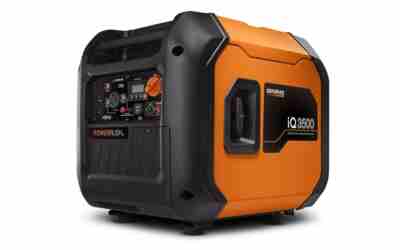
What Is Starting Watts on a Generator? Simple Explanation
Starting watts on a generator are the extra power a motor needs for a few seconds at startup; size by adding running watts plus the largest surge.
We independently review everything we recommend. When you buy through our links, we may earn a commission. As an Amazon Associate we earn from qualifying purchases. Learn more ›
In-depth educational guides on generator and power station concepts, safety, and buying decisions.
Starting watts on a generator are the extra power a motor needs for a few seconds at startup; size by adding running watts plus the largest surge.
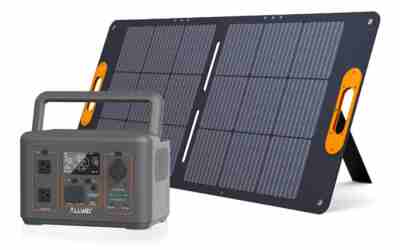
To keep portable solar panels safe, lock them to an anchor, secure them against wind, keep connectors dry and match your power station's input limits.
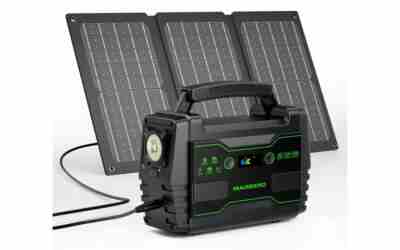
A solar generator for homes is a battery, inverter and solar panels that powers a fridge, lights and Wi-Fi in an outage, but not central AC.
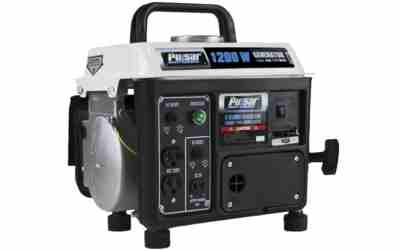
Gas furnace watts run about 400 to 800 W while heating, mostly from the blower; see startup surge, generator size and monthly cost.
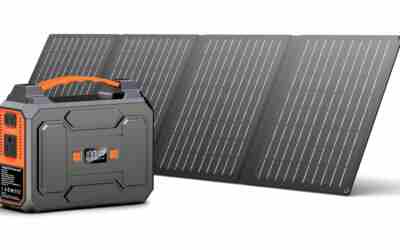
Sump pump battery backup life is about 5 to 12 hours per charge and 3 to 5 years per battery; see the runtime math, test routine and replacement signs.
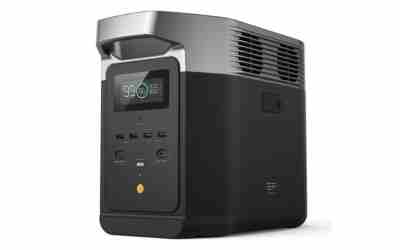
Yes, a solar powered generator can run a window AC if its inverter covers startup surge and the battery holds enough Wh. See sizing and runtime.
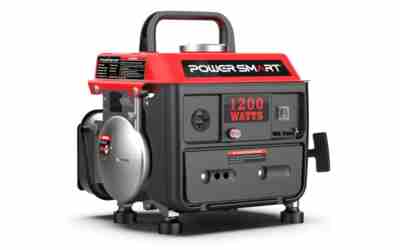
Yes, a portable generator can charge an EV: Level 1 needs a 2,000-watt inverter model and adds about 5 miles per hour; Level 2 needs 9,000 running watts.
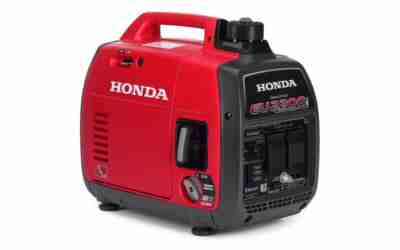
An RV ready generator has a 30-amp TT-30R outlet that fits RV plugs, but there is no official standard, so check the outlet and the watts for your AC.
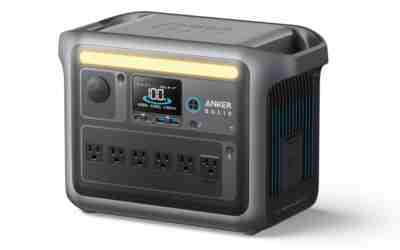
An inverter generator vs power station comes down to runtime: a power station suits small loads and indoor use, a generator suits multi-day outages.
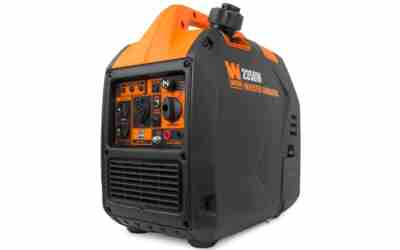
Portable generators vs inverter generators: inverters win on quiet and clean power, while conventional units win on watts per dollar.