
Our editorial team weighed PorchShield's published specifications and how it stacks up against similar products in the covers category. What stands out: Superior Waterproofing, Windproof, Secure Fit, and Durable 600D Fabric. Where it falls short: Storage Only, Not for Use and Needs Exact Size Match. That puts it at 8.9/10 on our WG Score – an excellent, well-rounded option.
 Reviewed byEthan
No dealer is going to volunteer this at the counter: generators don’t fail randomly after 10 years, they fail in a predictable order. The fuel system usually goes first, then electrical components, then rust and rodents finish the job, and the starting system is often the last thing to give out. Knowing that order is the difference between a $12 spark plug fixing the “problem” and paying full price for a replacement you didn’t actually need.
Failure Point #1: The Fuel System (Almost Always Goes First)
This is the one that catches most owners off guard, because it looks like the whole engine is dying when it’s really just fuel chemistry. Ethanol-blended gasoline (E10, E15) leaves gum and varnish deposits in the carburetor over years of stop-and-start use, clogging the tiny jets that meter fuel. Rubber and plastic fuel lines dry out and crack after a decade of heat cycling. On propane and natural gas units, the regulator diaphragm loses elasticity with age, causing poor fuel control and hard starting. If your generator runs rough, stalls under load, or won’t hold an idle, this is where to look before you write the engine off.
Failure Point #2: The Electronics No One Checks
Here’s the one that genuinely surprises people: the engine can run perfectly and you’ll still get zero usable power. That’s an electrical failure, not a mechanical one, and it’s easy to misdiagnose if you don’t know what to look for.
- AVR (voltage regulator) failure – capacitors dry out or burn, causing unstable output voltage that’s too high or too low for sensitive electronics.
- Alternator losing residual magnetism – the engine runs fine but produces 0 volts of output, a classic old-generator symptom that gets misdiagnosed as an engine problem constantly.
- Worn carbon brushes – arcing or a total loss of output after years of contact wear.
- Low compression – worn piston rings or carbon-caked valves show up as weak power, hard starting, and blue or black exhaust smoke.
Failure Point #3: What 10 Winters Outdoors Actually Does
Road salt, coastal air, and a decade of outdoor storage quietly eat through the frame, fuel tank, and connectors, especially across the Midwest and Northeast. The other one nobody warns you about: mice and squirrels chewing straight through wiring insulation and sensor leads, which causes short circuits or a total no-start with zero obvious cause. If your generator has spent years in a shed or outdoors, check for both rust and chewed wiring before you assume the problem is mechanical, it’s a five-minute look that can save a much longer diagnosis.
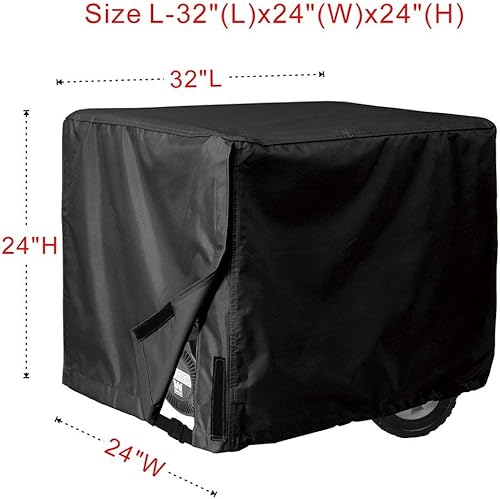
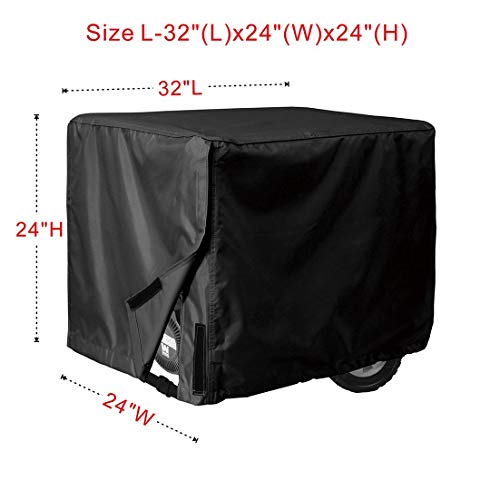
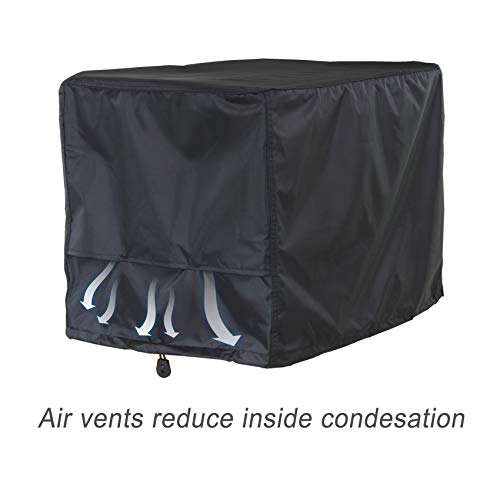
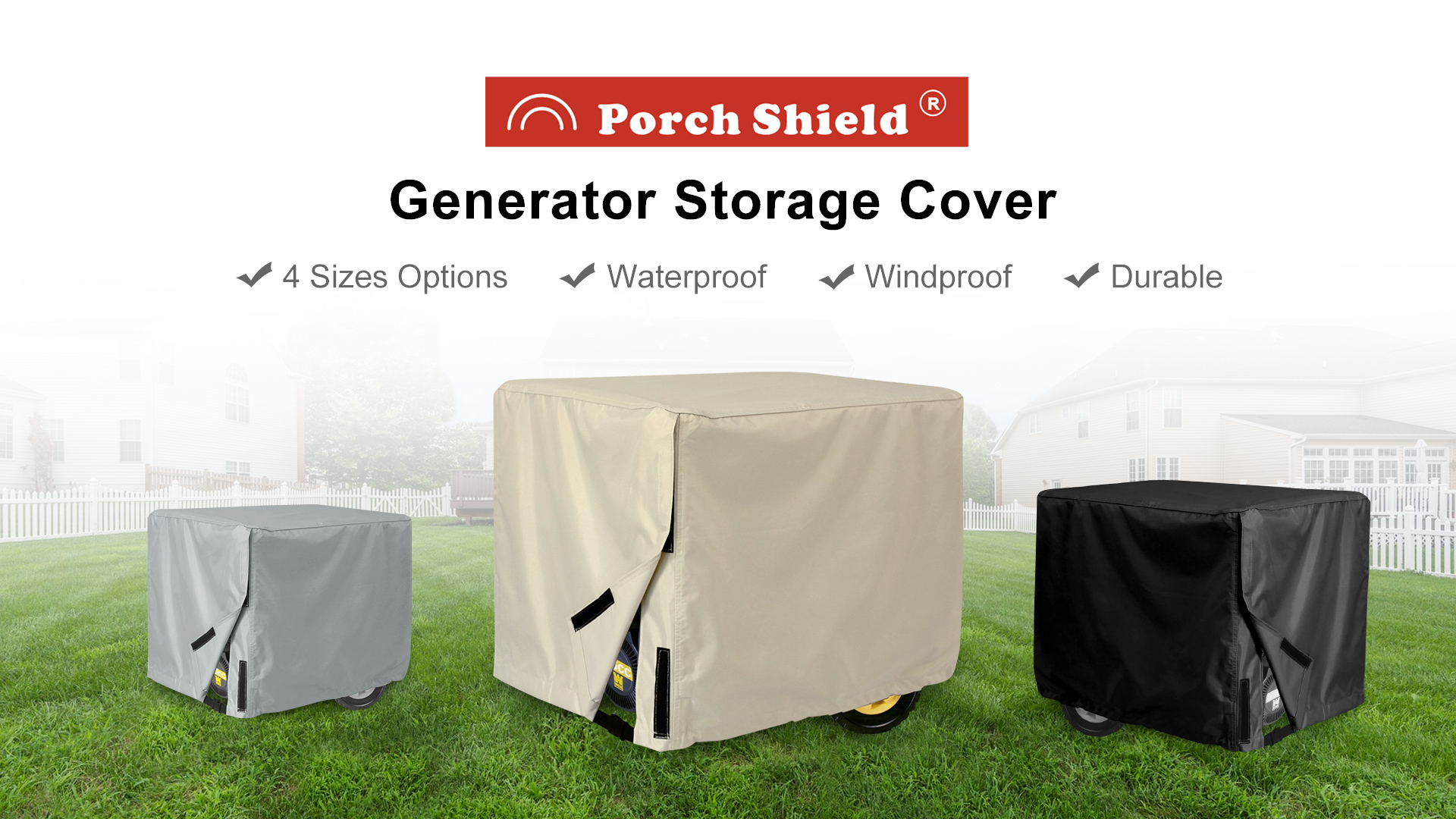
A basic weatherproof cover is the cheapest insurance against this for a unit you’re keeping in service – it keeps rain, snow, and direct sun off the frame between uses.

Porch Shield Waterproof Generator Cover 32x24x24 Inch - Fits 5000-10000W, 600D Heavy Duty Black






Failure Point #4: The Starting System (Usually Last)
Recoil-start units develop a rotted or broken pull cord, or a rusted, weakened internal spring that stops retracting properly. On electric-start models, the starter solenoid or starter motor wears out after years of use, often showing up as a click with no crank. If everything else runs fine once the unit is actually started, look here, not at the engine – see our generator won’t start troubleshooting checklist for the full diagnostic order.
The Question That Actually Matters: Repair, or Replace?
A single, isolated issue, a fouled spark plug, one cracked fuel line, is almost always worth fixing. The real tell is when two or more of the failure points above show up around the same time. That’s not bad luck, it’s age-related wear compounding across multiple systems at once, and every repair from here just buys you a few more months before the next part fails. At that stage, replacing the unit is usually cheaper than the slow bleed of repeated repairs on an engine that’s already past its expected service life. Our how long do generators last guide breaks down how that expected service life is typically estimated.
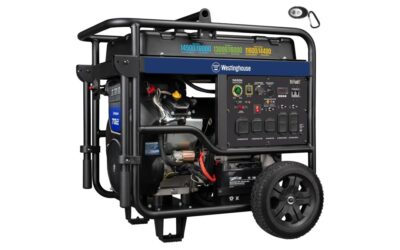
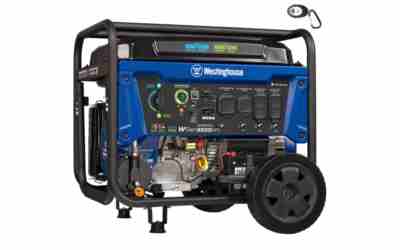
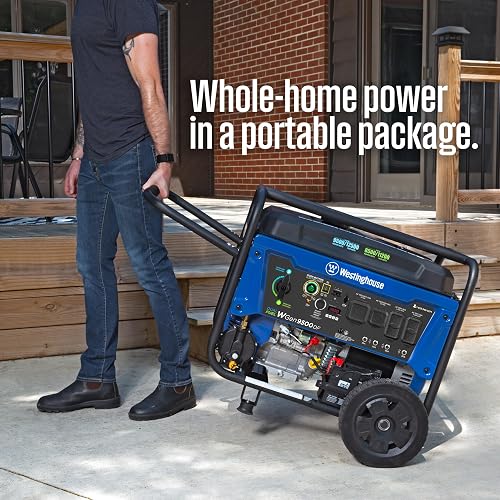
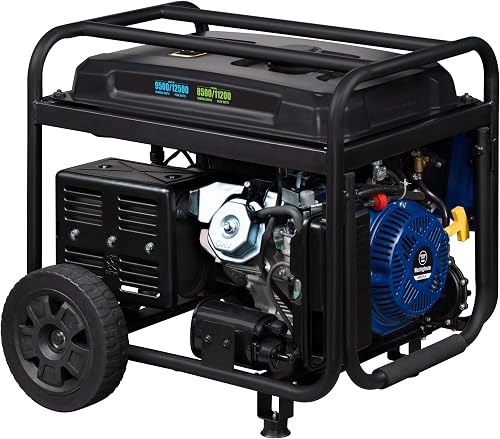
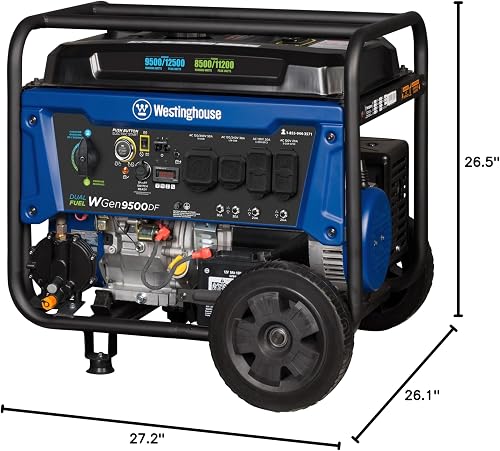
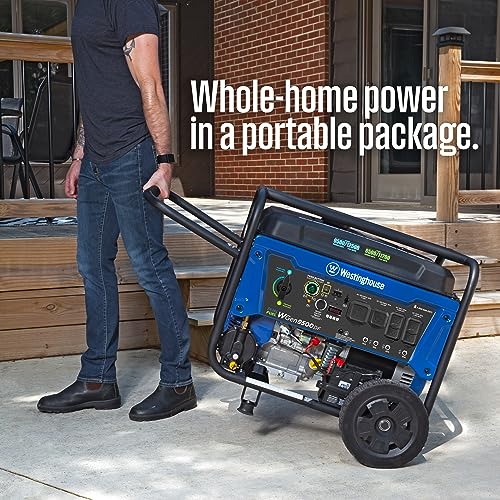
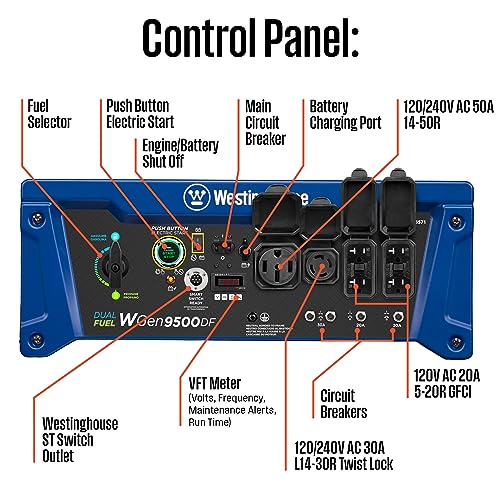
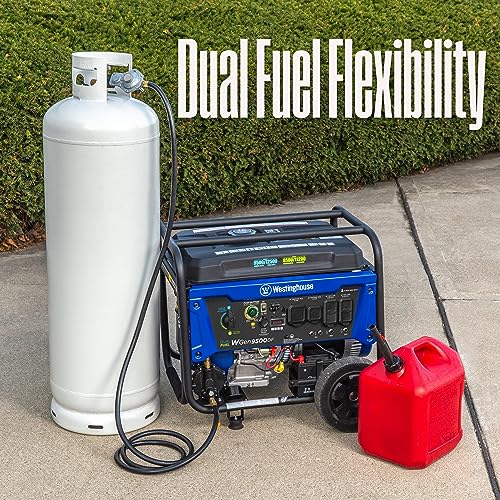
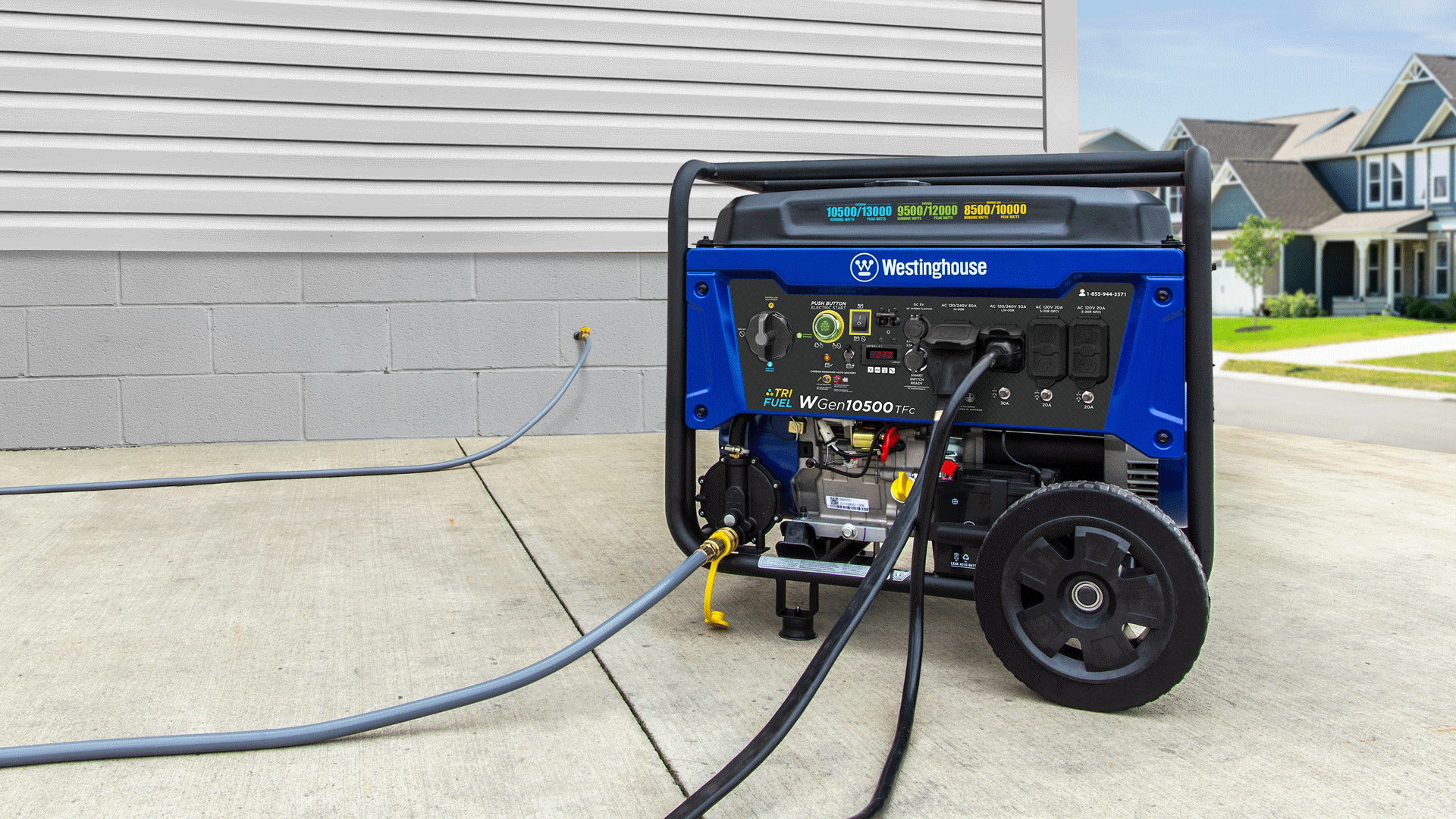
If you are replacing it, a dual-fuel model quietly removes the single biggest failure point on this whole list, the ethanol-gumming problem, since it can run on propane instead of gasoline:

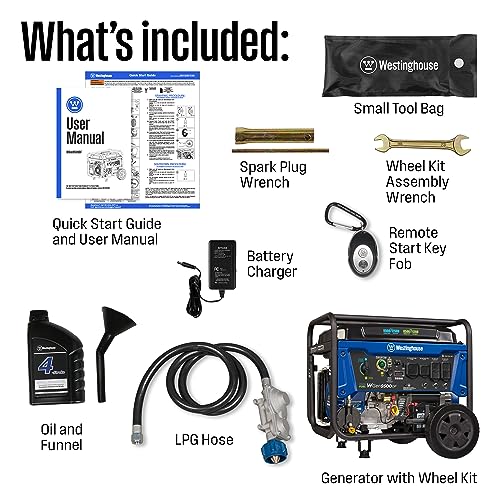
Westinghouse WGen9500DF Dual Fuel Portable Generator 12500 Peak Watts Remote Start Transfer Switch Ready








Whichever route you take, our generator maintenance schedule guide covers the routine that gets the most years out of either an aging unit or a brand-new one.
Frequently Asked Questions About Generator Failure After 10 Years
What is the single most common cause of generator failure after 10 years?
Fuel system problems, especially carburetor gum from ethanol-blended gasoline, are the most common cause of failure in generators that have sat in intermittent, long-term use for a decade or more.
My generator’s engine runs fine but produces no power. What’s wrong?
That’s a classic sign of alternator failure from lost residual magnetism, or a failed AVR (voltage regulator). Both are electrical component failures, not engine problems, and are commonly misdiagnosed as bigger issues than they are.
Is it worth repairing a 10+ year old generator?
A single, isolated issue is usually worth repairing. If multiple systems are failing around the same time, replacement is typically more cost-effective than repeated repairs on an engine near the end of its service life.
How can I protect an older generator from rust and rodent damage?
Store it under a weatherproof cover when not in use, and check periodically for chewed wiring if it’s kept in a shed, garage, or anywhere rodents can access it.
Does switching to a dual-fuel generator prevent these failures?
Running on propane instead of gasoline eliminates the ethanol-gumming issue that causes most fuel-system failures, though electrical wear, rust, and starting-system parts still age at the same rate regardless of fuel type.