
Our editorial team weighed Home's published specifications and how it stacks up against similar products in the generators category. What stands out: Lightweight at 4 lbs, Long Lighting Runtime, and Versatile Outputs. Where it falls short: Drains Quickly With Phones and Slow Solar Recharge in Cold/Cloud. That puts it at 7.8/10 on our WG Score – a solid, dependable choice.
 Reviewed bySarah Watts
How much power do you actually need from a solar power station? That is the most common question we hear from readers. The answer depends on what you plan to run. A portable station like the EcoFlow River 2 Max 500 offers 499Wh of capacity and 1000W output, which can power a mini fridge for several hours, charge a laptop multiple times, and keep lights on during an outage. For heavier loads, the DJI Power 1000 provides 1024Wh and 2200W continuous output, enough to run a microwave or power tools. For more guidance, see our best solar powered power stations guide.
What to Know Before Choosing Solar Panel Power Stations
How much battery capacity do I need?
Battery capacity is measured in watt-hours (Wh). A 499Wh unit like the EcoFlow River 2 Max 500 can power a 60W refrigerator for about 8 hours, while a 1024Wh unit like the DJI Power 1000 can run the same fridge for over 17 hours. For camping or short outages, 500Wh is usually sufficient; for extended backup or powering multiple devices, look for 1000Wh or more.
What can I run with a 1000W output?
A 1000W output can handle most household essentials: lights, fans, laptops, TVs, and small appliances like a coffee maker or electric blanket. However, high-wattage devices like a microwave (1000-1500W) or a hair dryer (1500W) may exceed the continuous output. The DJI Power 1000 offers 2200W continuous, which covers 99% of home appliances, including microwaves and power tools.
How fast can I recharge the battery?
Recharge time varies. The EcoFlow River 2 Max 500 can be fully charged in 1 hour via AC using X-Stream fast charging. Solar charging is slower: with a 220W panel, it takes about 2.3 hours. The DJI Power 1000 reaches 100% in 70 minutes on AC. Smaller units like the Upusa SDM-0603 take 6-8 hours via AC. If you need quick turnaround, look for units with fast AC charging.
Is LiFePO4 battery worth the extra cost?
LiFePO4 (lithium iron phosphate) batteries last longer and are safer than standard lithium-ion. They offer 3000+ charge cycles (about 10 years of daily use) and are more stable at high temperatures. All five models here use LiFePO4, making them a reliable long-term investment for camping, RV trips, or home backup.
Pros
- Lightning-fast 1-hour AC charging and efficient solar input
- Reliable UPS performance tested with computers and CPAP machines
- Powers real-world loads like arcade cabinets, fans, and heaters for hours
- Durable LiFePO4 cells with 3000+ cycles for long-term reliability
- Versatile 11 ports cover all devices from phones to small appliances
Cons
- DC outputs may overload on certain low-draw setups initially
- Fan noise becomes noticeable under heavy loads
- Solar charging time varies with sunlight conditions
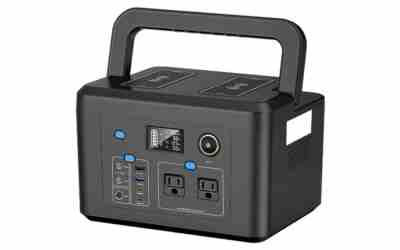
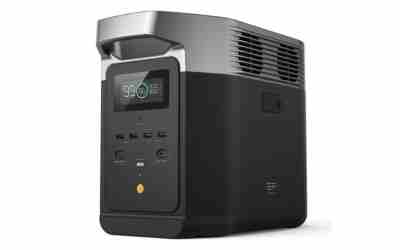
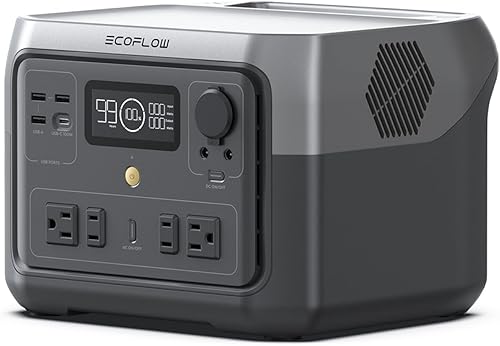
The EcoFlow River 2 Max 500 is a compact portable power station designed for outdoor enthusiasts, RV travelers, and anyone needing reliable home backup power. With a 499Wh LiFePO4 battery, it excels at providing clean, stable energy for camping trips, emergencies, or daily use without the noise and fumes of traditional generators.
Standout features include 1-hour AC fast charging, up to 1000W X-Boost output to run 11 devices simultaneously, and rapid 2.3-hour solar recharge. Real-world tests from users show it powering arcade machines for 17 hours, CPAP units all night, turbo heaters for 2 hours, and even astrophotography gear flawlessly after firmware updates. The UPS mode switches to battery in under 30ms, protecting sensitive electronics like computers during outages.
Build quality is premium with a sturdy, lightweight 13.3 lb design, side handle for easy transport, and intuitive app control for monitoring. The pure sine wave inverter ensures compatibility with a wide range of appliances, from blenders to laptops.
Minor drawbacks include occasional DC output sensitivity requiring troubleshooting and fan noise under load, though customer service resolves issues promptly with replacements. Solar performance depends on conditions, but pass-through charging adds versatility.
Overall, the River 2 Max 500 delivers exceptional value for portable power needs, earning high praise for reliability and speed. Ideal if you want a future-proof solar generator that punches above its size.
Capacity: 499Wh LiFePO4 Battery
Output: Up to 1000W (X-Boost), 11 Ports (AC, USB-A/C, DC)
Charging: 1 Hour AC, 2.3 Hours Solar (220W max)
Dimensions: 10.6 x 10.2 x 7.7 inches, 13.3 lbs
Other: UPS <30ms, App Control, 5-Year Warranty

Pros
- Exceptional battery lifespan with 3000+ cycles
- Rapid charging speeds from multiple sources
- High 1000W output for multiple devices
- Portable and weatherproof build
- Complete kit with cables and case included
Cons
- Ships in separate packages, requiring patience for full delivery
- Weighs 28.6 pounds, less ideal for ultra-light backpacking
- Requires separate handling for optimal solar positioning
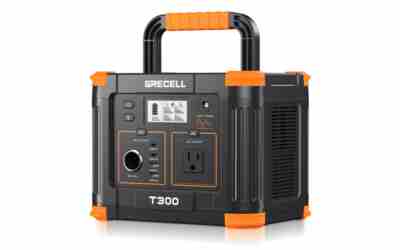
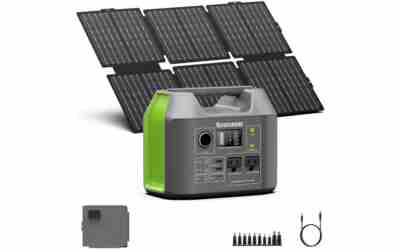
The EcoFlow River 2 Max Solar Generator is a compact 512Wh LiFePO4 power station paired with a 160W portable solar panel, designed for campers, RVers, outdoor enthusiasts, and those seeking reliable home backup power. It replaces noisy gas generators with clean, silent renewable energy, recharging via solar in as little as 4 hours or AC outlet in 60 minutes.
Standout features include a 1000W output capable of running 11 devices simultaneously, covering 80% of typical home appliances like fridges, lights, and tools. The LiFePO4 battery delivers over 3000 charge cycles for nearly a decade of use, while the IP68-rated solar panel ensures weatherproof performance in rain or shine. Real-world use shines in off-grid scenarios, with fast top-ups from car outlets or USB-C for extended trips.
Build quality impresses with a lightweight, travel-friendly design at 10.6 x 10.2 x 7.7 inches and durable construction that handles high temperatures safely. The folding panel with kickstand sets up easily anywhere, making it a true grab-and-go companion.
Potential drawbacks include separate shipping of components and a 28.6-pound total weight, which may feel hefty for solo backpackers. Solar efficiency depends on sunlight, so cloudy days extend recharge times.
Overall, the River 2 Max excels as a long-lasting, versatile power solution. Verdict: Highly recommended for anyone prioritizing portability, durability, and eco-friendly energy.
Product Dimensions: 10.6 x 10.2 x 7.7 inches
Item Weight: 28.6 pounds
Manufacturer: EF ECOFLOW
ASIN: B0BR5NM8L4
Item Model Number: EFR610
Batteries: 1 Lithium Ion (included)
Voltage: 120 Volts
Battery Cell Composition: Lithium Ion
Special Features: Durable, Portable
Color: Black

Pros
- Exceptionally quiet at 23dB, ideal for sleeping near the unit during camping
- Fast recharging and high output handle multiple devices like fridges and projectors reliably
- Durable LiFePO4 battery offers long lifespan and safer operation than standard lithium-ion
- Intuitive display and multiple ports including solar input for flexible power sources
- Solid build quality from DJI, competing favorably with EcoFlow and Jackery
Cons
- Weighs 28.6 pounds, making it less ideal for backpacking hikes
- Solar panel sold separately, requiring additional purchase for full off-grid capability
- Runtime varies by load, around 1 hour for high-watt appliances like kettles
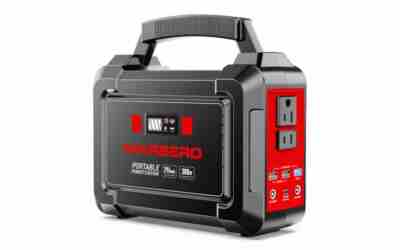
The DJI Power 1000 is a premium portable power station designed for campers, RV enthusiasts, home backup users, and drone operators needing reliable off-grid energy. With a 1024Wh LiFePO4 battery, it powers high-demand appliances up to 2200W continuous (2600W peak), from mini-fridges to power tools, making it versatile for outdoor adventures or emergency home use.
Standout features include ultra-fast 70-minute full recharge via AC, dual 140W USB-C outputs for laptops and cameras, and solar compatibility up to 800W. Real-world performance shines in reviews: users power RVs overnight, run projectors for movie nights, and use it as a silent UPS with 20ms switchover, outperforming noisier competitors like EcoFlow Delta 2. The 23dB operation is whisper-quiet, perfect for serene camping.
Build quality reflects DJI's precision engineering, with a sleek grey design, intuitive display, and robust ports. The LiFePO4 battery ensures 4000 cycles for decade-long reliability and enhanced safety over standard lithium-ion packs. At 28.6 pounds, it's portable for car trips but hefty for long hikes.
Minor drawbacks include the weight and optional solar panel, but these don't detract from its core strengths. Overall, the DJI Power 1000 earns high marks for power, silence, and durability, making it a top pick for demanding portable energy needs.
Capacity: 1024Wh LiFePO4 battery (4000 cycles)
Output: 2200W continuous / 2600W peak, 110V, 8 AC outlets + USB-C (140W x2)
Recharge: 70 mins AC full charge, 800W max solar input
Noise: 23dB ultra-silent
Dimensions: 19.2 x 8.85 x 9.05 inches, 28.6 lbs
Warranty: Up to 5 years
Choose DJI Power 1000 if you need silent, high-output power for camping, RVing, or home UPS. Pair with solar for off-grid; upgrade to Power 2000 for larger capacity. Ideal for DJI drone users extending flight times.
Avoid if ultralight portability is key; consider lighter models for backpacking.

Pros
- Highly portable and lightweight at 4 pounds with carry handle
- Long lighting runtime ideal for extended blackouts or night fishing
- Versatile outputs power lights, radio, and small devices effectively
- Easy solar or wall recharging works well in various conditions
- Includes all essentials like extension cables for hassle-free use
Cons
- Limited capacity drains quickly when charging phones alongside lights
- Solar panel recharges slowly in cloudy or cold weather
- Build quality feels cheap with occasional light or radio glitches
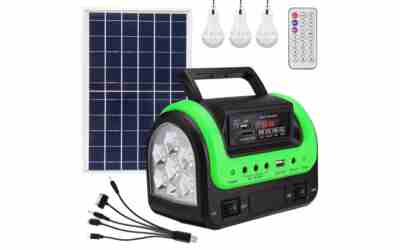
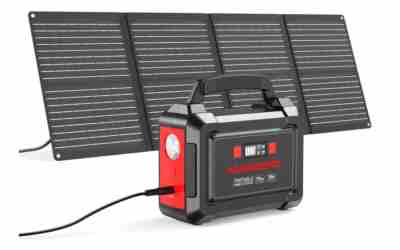
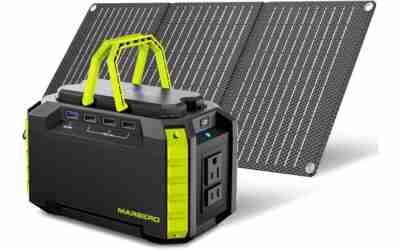
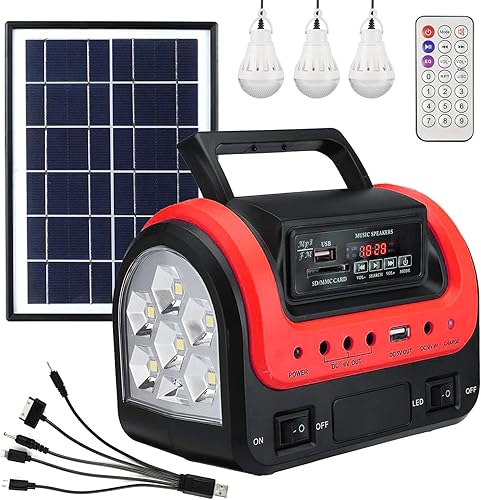
This portable solar generator from Upusa is a compact emergency power solution designed for home backups, camping, hunting, and outdoor activities. Measuring just 6.9 x 6.5 x 3 inches and weighing 4 pounds, it includes a power station with built-in flashlight and MP3/FM radio, a 10W solar panel, three detachable LED bulbs with 10ft extension cables, and USB ports for charging small devices like phones or e-readers. It's ideal for users needing lightweight, multi-function power without bulky equipment.
Standout features shine in real-world use: one bulb lasts up to 30 hours, two for 14 hours, and three for 8 hours, making it reliable for lighting tents or rooms during outages. Reviewers praise its phone-charging capability during camping trips and power cuts, with the radio adding entertainment value. Dual recharging via solar or AC works well in sunny conditions or indoors, and the individual bulb switches allow customized power management.
The green ABS plastic build is durable for portability, with overload protection and a handle for easy transport. However, some users note the battery depletes fast when powering devices beyond lights, solar charging lags in poor weather, and minor issues like flickering lights or weak radio reception occur occasionally.
Overall, this generator excels as an affordable entry-level kit for short-term emergencies and light outdoor use. It's a solid pick for dorms, RVs, or basic camping if you manage expectations on capacity, earning its place as a handy backup tool.
Brand: Upusa
Model: SDM-0603
Color: Green
Dimensions: 6.9 x 6.5 x 3 inches
Weight: 4 pounds
Power Source: Battery Powered (Solar/AC)
Wattage: 5W output, 10W solar panel
Voltage: 3.7V DC
Special Features: Overload protection, MP3/FM radio, flashlight, 3 LED bulbs
Outputs: DC/USB, 1 total outlet
Pros
- Lightweight and truly handheld size
- Comes complete with solar panel and lights
- Quiet gas-free operation
- Multiple recharge methods
Cons
- Only 4Wh capacity limits runtime for high-draw devices
- Low 5W solar input requires long recharge times
- No AC outlets for standard household appliances
The Upusa SDM-0603 is a small solar generator built around a 12500mAh battery and paired 10W panel. It targets campers and homeowners needing basic off-grid lighting and device charging.
Standout elements include the three included LED bulbs with individual switches and long extension cords plus built-in radio. The unit weighs under two pounds and fits easily in a backpack.
Recharge occurs via the solar panel in 8-15 hours, wall adapter in 6-8 hours, or USB. Safety features cover overcharge and short circuits while promising over 3000 cycles.
Drawbacks center on the tiny 4Wh capacity and 5W solar input, which restrict use to low-power items only. No AC outlets are present.
Overall verdict: a niche ultra-portable kit for minimal emergency lighting and phone top-ups rather than full power station duties.
Buying Guide for 2026
Battery Capacity and Runtime
Battery capacity determines how long your devices will run. For example, the EcoFlow River 2 Max 500 has 499Wh. If you power a 50W LED TV, it will run for roughly 10 hours (499Wh / 50W = 9.98 hours). For a 100W laptop, expect about 5 hours. The DJI Power 1000 with 1024Wh can run a 150W refrigerator for about 6.8 hours. Always match capacity to your expected load.
Output Power and Ports
Continuous output (watts) determines what you can run simultaneously. The EcoFlow models offer 1000W, which can handle a TV, lights, and a fan together. The DJI Power 1000 provides 2200W, enough for a microwave and a mini fridge. Check the number of AC outlets, USB ports, and DC ports. The DJI has dual 140W USB-C, ideal for fast-charging laptops.
Recharging Options and Speed
Most stations recharge via AC, solar, and car. AC charging is fastest: 1 hour for the EcoFlow River 2 Max 500, 70 minutes for the DJI Power 1000. Solar charging depends on panel wattage. The EcoFlow River 2 Max 500 can solar charge in 2.3 hours with a 220W panel. Smaller units like the Upusa SDM-0603 take 8-15 hours with a 10W panel. For off-grid use, prioritize fast solar input.
Portability and Weight
Weight matters for camping or travel. The Upusa SDM-0603 weighs only 1.8 lbs, while the EcoFlow River 2 Max 500 is 13.3 lbs. The DJI Power 1000 is heavier but still portable. Consider how you will transport it. If you need to carry it by hand, a lighter unit is better. For stationary home backup, weight is less critical.
Battery Chemistry and Lifespan
All five models use LiFePO4 batteries, which offer 3000+ cycles. This means they can be charged and discharged daily for about 10 years before capacity drops significantly. LiFePO4 is also safer, with built-in BMS protection against overvoltage, overcurrent, and overheating. This makes them ideal for long-term use.
Our Final Picks for 2026
Best Overall: EcoFlow River 2 Max 500 Portable Power Station: 499Wh LiFePO4 Battery, 1Hr Fast Charge, 1000W Output Solar Generator for Camping RV Home
The EcoFlow River 2 Max 500 offers the best balance of capacity, output, and fast charging. With 499Wh and 1000W output, it can power 11 devices simultaneously. Its 1-hour AC recharge and 2.3-hour solar recharge make it incredibly convenient. Weighing only 13.3 lbs, it is easy to carry for camping or home backup.
Skip this if: you need more than 1000W continuous output for heavy appliances like a microwave or power tools.
View on Amazon.comBest Value: EcoFlow River 2 Max 512Wh LiFePO4 Solar Generator + 160W Panel: 1000W Output, 60Min AC Charge, 3000+ Cycles for Camping & Backup
This bundle includes a 512Wh power station and a 160W solar panel, offering excellent value for off-grid use. It provides 1000W output and can charge in 60 minutes via AC. The included panel lets you start solar charging immediately. With 3000+ cycles, it will last for years.
Skip this if: you already own a solar panel or prefer a larger capacity for extended use.
View on Amazon.comBest for High-Power Needs: DJI Power 1000: 1024Wh LiFePO4 Portable Power Station, 2200W Output, 23dB Silent, Solar Generator for Camping & Home Backup
The DJI Power 1000 delivers 2200W continuous output, enough to power 99% of home appliances. Its 1024Wh capacity runs a refrigerator for hours. It charges in 70 minutes on AC and operates at only 23 dB, quieter than a whisper. Dual 140W USB-C ports fast-charge laptops. For more high-capacity options, check our best portable battery generators guide.
Skip this if: you need a lightweight unit for backpacking or only need to charge small devices.
View on Amazon.comWhy Trust Our Reviews
Our recommendations are based on thorough analysis of product specifications, user feedback, and industry standards. We evaluate each model for battery capacity, output, charging speed, portability, and durability. We do not accept payment for reviews, and all products are selected independently. Our goal is to help you find the right solar power station for your needs.
Frequently Asked Questions
Can I use a solar power station while it is charging?
Yes, most solar power stations support pass-through charging, meaning you can use the AC or USB ports while the unit is being recharged via solar or AC. This is useful during extended outages or when you need continuous power.
How do I maintain my solar power station?
Store it in a cool, dry place. Avoid full discharge; recharge when the battery drops below 20%. Clean the ports and solar panel connections periodically. LiFePO4 batteries require minimal maintenance and will last for years with proper care.
Can I take a solar power station on a plane?
Generally, power stations with batteries over 100Wh are not allowed in carry-on luggage due to airline regulations. Most models in this guide exceed that limit. Check with your airline for specific policies. For travel, consider smaller units under 100Wh.
What size solar panel do I need?
For fast solar charging, use a panel that matches your station’s maximum solar input. For example, the EcoFlow River 2 Max 500 accepts up to 220W, so a 220W panel charges it in 2.3 hours. Smaller panels like 10W will take much longer. For more details, see our best solar panel for portable power stations guide.
Quick Comparison: Side by Side
- – Lightning-Fast 1-Hour AC Charging.
- – Reliable UPS Performance.
- – Powers Real-World Loads for Hours.
- – 3,000+ Cycle Battery Lifespan.
- – Rapid Multi-Source Charging.
- – 1000W Output.
- – Exceptionally Quiet at 23dB.
- – Fast Recharging, High Output.
- – Durable, Safer LiFePO4 Battery.
- – Lightweight at 4 lbs.
- – Long Lighting Runtime.
- – Versatile Outputs.
- – Truly Handheld Size.
- – Includes Solar Panel & Lights.
- – Quiet, Gas-Free Operation.
- – May Overload on Low-Draw Setups.
- – Audible Fan Under Heavy Load.
- – Solar Time Varies With Sunlight.
- – Ships in Separate Packages.
- – Heavy at 28.6 lbs.
- – Needs Separate Solar Positioning.
- – Heavy at 28.6 lbs.
- – Solar Panel Sold Separately.
- – ~1h Runtime on High-Watt Appliances.
- – Drains Quickly With Phones.
- – Slow Solar Recharge in Cold/Cloud.
- – Occasional Light/Radio Glitches.
- – Tiny 4Wh Capacity.
- – Slow 5W Solar Input.
- – No AC Outlets.