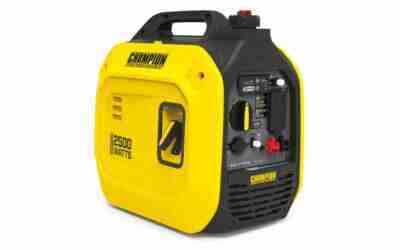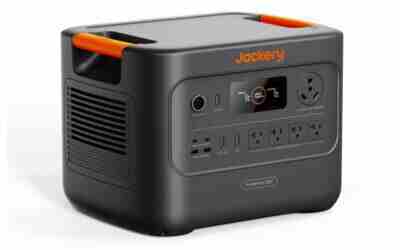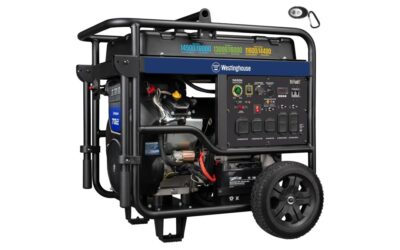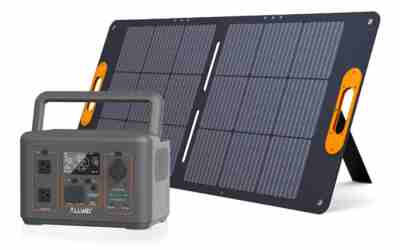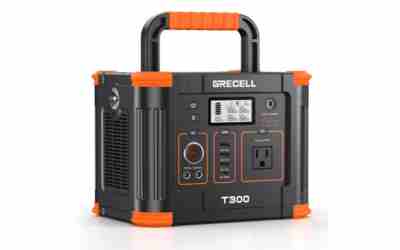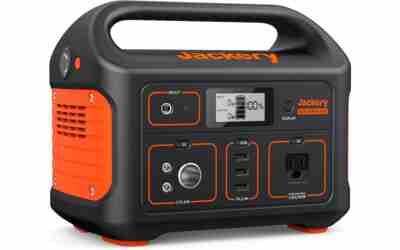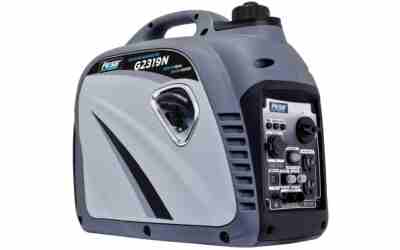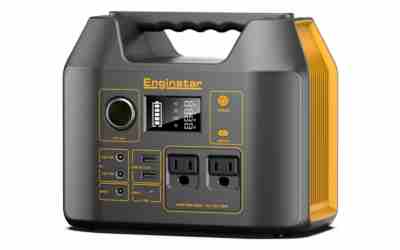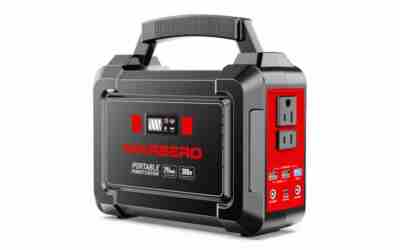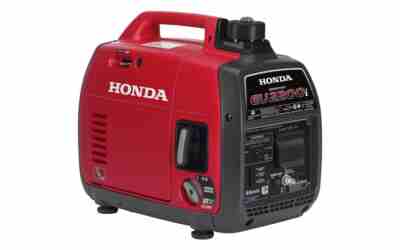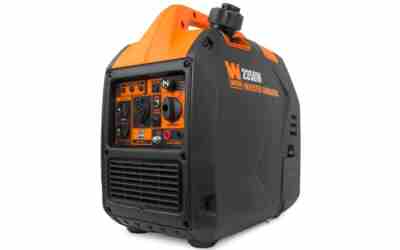

Our editorial team weighed 's published specifications and how it stacks up against similar products in the generators category. What stands out: Exceptionally Quiet, Lightweight & Durable, and Electric Start. Where it falls short: Needs Gasoline Refueling and Occasional Battery Maintenance. That puts it at 8.2/10 on our WG Score – an excellent, well-rounded option.
 Reviewed byDaniel
How much power do you actually need from a portable battery generator? For most homeowners and campers, the answer lies in balancing the wattage of essential devices, like a refrigerator (600–800 running watts) or a sump pump (800–1,000 starting watts), with the generator’s rated output. The 5 models we’ve selected range from a compact 1,800 running watts to a robust 3,300 running watts, so whether you’re powering a few lights and a phone charger or running an RV air conditioner, there’s a match here. For a deeper look at how portable generators compare to power stations, check out our guide on the best portable power stations for power outages.
What to Know Before Choosing Portable Battery Generators
How much running wattage do I need?
Start by adding up the running watts of everything you plan to run simultaneously. A typical refrigerator draws 600–800 watts, a laptop uses about 50 watts, and a portable fan runs on 50–100 watts. The smallest unit here, the Pulsar 2300W, provides 1,800 running watts, enough for a fridge, a few lights, and a phone charger. The larger MaXpeedingrods 3500W offers 3,000 running watts, which can handle a fridge plus a small window AC (around 1,200 watts) and still have headroom. Always leave a 20% buffer to avoid overloading the generator.
Should I choose a dual-fuel model for flexibility?
If you want the option to run on propane instead of gasoline, a dual-fuel generator like the PowerSmart 3800W is a smart choice. Propane has a longer shelf life (decades vs. months for gasoline) and burns cleaner, reducing engine maintenance. On propane, the PowerSmart delivers 3,100 running watts, still plenty for most home backup needs. Gasoline, however, offers slightly higher peak power (3,800 watts) and is easier to refuel on the go. For pure simplicity and the lowest operating cost, a single-fuel gas model like the Honda EU2200ITAN1 is lighter and more fuel-efficient.
How important is noise level for camping or neighborhoods?
Noise is often a deciding factor. The MaXpeedingrods 3500W is rated at just 58 dB in Eco mode, about as loud as a normal conversation, making it ideal for quiet campgrounds. The Generac iQ3500 offers a 40% noise reduction compared to older generators, while the PowerSmart 3800W runs at 70 dB, similar to a vacuum cleaner. If you’re camping or living in a noise-sensitive area, prioritize models with an Eco mode or low-noise rating. For reference, the Honda EU2200ITAN1 is known for its whisper-quiet operation, though its exact dB rating isn’t listed in its specs.
What safety features should I look for?
Modern portable generators include essential safety features. The PowerSmart 3800W has a built-in CO sensor that automatically shuts off the generator if carbon monoxide levels become dangerous. The Honda EU2200ITAN1 includes a CO-Minder system that also monitors CO levels. Low-oil shutdown is standard on most models here (Generac iQ3500, MaXpeedingrods, PowerSmart), protecting the engine from damage. For sensitive electronics, look for pure sine wave inverter technology, all five models produce clean power safe for laptops, phones, and medical devices.
Pros
- Exceptionally quiet for residential and camping use
- Reliable Honda engine with proven durability
- Compact size fits easily in truck beds or storage
- Parallel capability expands power options
- Built-in CO safety feature
Cons
- Recoil start only, no electric option
- Gasoline only with no dual fuel capability
- Higher price than some competing models
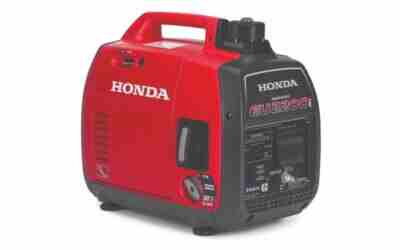
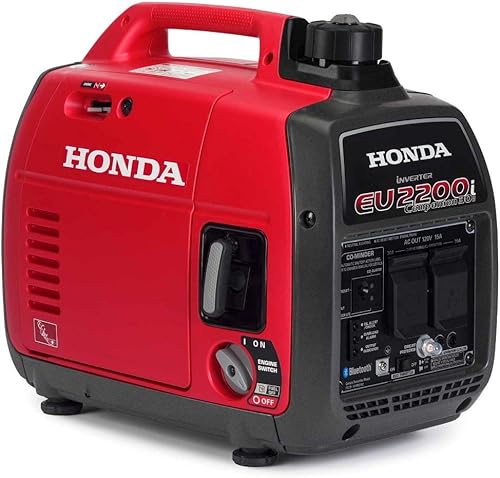
The Honda EU2200ITAN1 is a 2200-watt inverter generator designed for portable power needs. It provides clean, reliable electricity for RVs, camping, home backup, and job sites.
Users appreciate the low noise levels and lightweight build that make it easy to move and store. The CO-Minder feature adds an important safety layer by shutting down the unit if carbon monoxide reaches unsafe levels.
Build quality reflects Honda's reputation for durable engines, with the GXR120 delivering smooth performance. The 30A outlet supports direct RV connections and parallel operation with a second unit.
Drawbacks include the manual recoil start and gasoline-only fuel system. Overall it earns strong marks for reliability and quiet performance in its class.

Pros
- Dual fuel capability reduces dependency on single fuel source
- Quiet operation suitable for residential and campground use
- Reliable recoil start and solid build quality noted in reviews
- Clean inverter power protects laptops and medical equipment
Cons
- Manual recoil start requires physical effort in cold weather
- Runtime limited to around 4 hours at 50% load on a full tank
- Propane mode delivers slightly lower peak output than gasoline
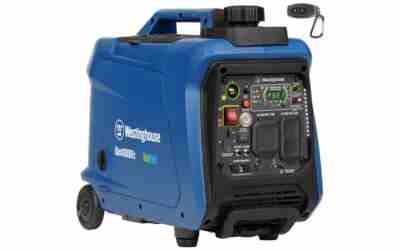
The PowerSmart 3800 Watt Dual Fuel Inverter Generator delivers portable power for home backup, camping, and tailgating. It runs on gasoline or propane and produces clean sine wave electricity suitable for electronics.
Users highlight easy starting, steady voltage output, and sufficient power for appliances, lights, and RV air conditioning. The CO safety sensor and overload protection add reliable safeguards during extended operation.
At 50.7 pounds with a compact footprint, the unit moves easily between locations. Noise levels remain acceptable for most outdoor settings while the parallel-ready feature allows capacity expansion when needed.
Drawbacks include the manual start mechanism and shorter runtime compared to larger stationary models. Overall it provides good value for users who need mid-range portable inverter power without excessive bulk.
Pros
- Exceptionally quiet operation ideal for recreational use
- Lightweight and durable for superior portability
- Electric start simplifies use in any condition
- Clean power output protects electronics
- CARB compliant for use in all states
Cons
- Requires gasoline refueling for extended runtime
- Battery may need occasional maintenance or charging
- Not designed for whole-home backup applications
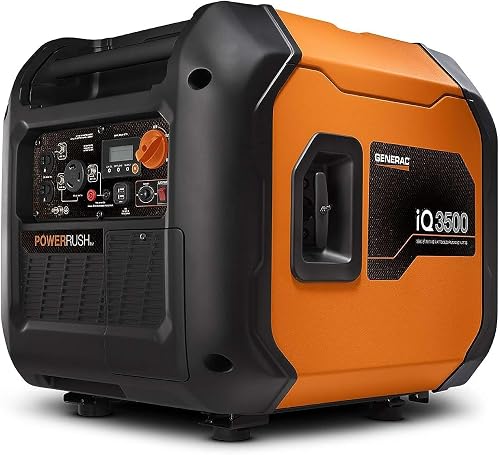
The Generac iQ3500 is a versatile 3,500-watt portable inverter generator tailored for outdoor enthusiasts, tailgaters, campers, and professionals on jobsites who need reliable, clean power without the bulk of traditional generators. Its lightweight yet rugged build makes it easy to transport, while delivering enough juice for small appliances, tools, and sensitive electronics like laptops during outages or adventures.
Standout features include the innovative PowerDial for seamless start, run, and stop functions with electric start capability via an included battery, plus PowerRush technology that boosts starting capacity by over 50% for demanding motor-driven equipment. Dual engine speeds allow selection between quiet Economy Mode for fuel savings and full power for heavy loads, with advanced inverter tech ensuring ultra-clean power and 40% noise reduction compared to standard models. USB ports add convenience for charging devices on the go.
Build quality shines with a durable enclosure that withstands rugged use, parallel-ready design for expandable power, and protective features like low-oil shutdown. Real-world performance excels in keeping lights on during outages, powering food trucks, or enhancing camping setups with movie nights, all while minimizing fuel use and disturbance.
Drawbacks include dependency on gasoline, which requires safe storage and refills, and the need for battery upkeep. It is not suited for large-scale home backup.
Overall, the iQ3500 earns high marks for balancing power, portability, and quiet efficiency, making it a top pick for mobile power needs with a strong verdict for anyone prioritizing convenience and reliability.
Power Output: 3,500 Watts (starting/running)
Fuel Type: Gasoline
Start Type: Electric Start (battery included)
Key Tech: Inverter, PowerRush Advance, Economy Mode
Compliance: CARB Compliant
Ports: USB, Parallel Ready
Ideal For: Camping, Tailgating, Jobsites, Small Appliances

Pros
- Lightweight and portable for camping or tailgating
- Pure sine wave output protects electronics
- Parallel ready for expanded power needs
Cons
- Gasoline only with no dual fuel option
- No electric start system included
- Limited runtime on a single tank
The Pulsar 2300W inverter generator provides portable power suitable for camping trips and outdoor events. Its compact design and low weight make it simple to carry and store.
Stable sine wave technology ensures safe operation of laptops, phones, and other sensitive devices. The included USB outlet adds convenience for charging small electronics directly.
Parallel capability allows users to link units for higher output when needed. Fuel efficiency supports up to 4.8 hours of runtime at half load.
Potential drawbacks include reliance on gasoline and the absence of an electric start. Overall this model offers solid performance for users seeking a lightweight inverter generator.

Pros
- Lightweight at 23580 grams for easy transport
- Multiple outlets support various appliances and devices
- Comes with parallel cables and dust cover included
- Two-year warranty with lifetime technical support
Cons
- No electric start option listed
- Tank size not specified limiting runtime estimates
- Dimensions not provided for storage planning
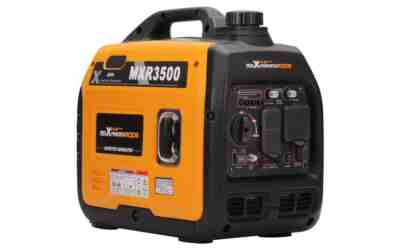
This MaXpeedingrods unit is a gas-powered inverter generator rated at 3500 peak watts.
It targets campers, RV owners, and homeowners seeking portable backup power during outages or outdoor activities.
Key strengths include clean sine wave output, quiet eco-mode operation, and an included RV outlet for direct appliance compatibility.
Build focuses on portability with parallel capability and safety features like CO detection.
Drawbacks center on missing details such as tank capacity and starting system type, but overall it provides solid value for its wattage class.
Buying Guide for 2026
Wattage and Power Output
Wattage is the single most important spec. Running watts (also called rated watts) is the continuous power the generator can supply, while surge watts (peak watts) handles the extra draw when motors start up. For example, the Honda EU2200ITAN1 has 2,200 peak watts and 1,800 running watts, enough to start a small refrigerator (which may need 2,000 surge watts) and then run it smoothly. The MaXpeedingrods 3500W offers 3,500 peak watts and 3,000 running watts, giving you enough headroom to power a refrigerator plus a microwave (around 1,200 watts) simultaneously. A simple calculation: if you want to run a 1,500-watt space heater, a 300-watt TV, and a 200-watt fan, that’s 2,000 running watts, so you’d need a generator with at least 2,400 running watts to stay within a 20% safety margin.
Fuel Type and Runtime
All five models run on gasoline, but the PowerSmart 3800W adds propane capability, giving you fuel flexibility. Runtime varies by load: the Pulsar 2300W runs up to 4.8 hours at half load on 1.18 gallons of gas, while the MaXpeedingrods 3500W can run 8.3 hours at 25% load (750 watts) in Eco mode. For longer outages, a dual-fuel model lets you switch to propane, which is easier to store in large quantities. The Generac iQ3500 and Honda EU2200ITAN1 are known for fuel efficiency, though exact runtime figures aren’t provided in their specs. For a deeper dive into runtime, see our best sales on portable generators review.
Portability and Weight
If you need to move your generator frequently, weight and handle design matter. The Pulsar 2300W weighs under 47 lbs and has a suitcase design with a telescoping handle, easy to roll. The MaXpeedingrods 3500W is also 47 lbs, making it one of the lightest 3,500-watt models. The Honda EU2200ITAN1 is similarly compact at around 47 lbs. The Generac iQ3500 and PowerSmart 3800W are heavier (around 50–60 lbs), but still manageable with built-in handles. For RV or camping use, a lightweight unit under 50 lbs is ideal.
Inverter Technology and Power Quality
All five models use inverter technology, which produces pure sine wave power, safe for sensitive electronics like laptops, smartphones, and CPAP machines. Inverter generators are also quieter and more fuel-efficient than conventional models because they adjust engine speed to the load. The Generac iQ3500 features PowerRush Advance Technology, which delivers over 50% more starting capacity for motor-driven tools. The PowerSmart 3800W boasts less than 3% total harmonic distortion (THD), ensuring clean power for delicate devices. For more on inverter generators, visit our inverter generator category page.
Our Final Picks for 2026
Best Overall: Honda EU2200ITAN1 2200-Watt Super Quiet Portable Inverter Generator with CO-Minder
The Honda EU2200ITAN1 delivers legendary reliability and quiet operation in a lightweight 47-lb package. With 2,200 peak watts and 1,800 running watts, it’s perfect for powering a refrigerator, sump pump, or camping essentials. Its CO-Minder safety system and parallel capability (to pair with another EU2200i) make it a versatile choice for home backup and outdoor adventures.
Skip this if: You need more than 1,800 running watts for larger appliances like a window AC or electric heater.
View on Amazon.comBest Value: MaXpeedingrods 3500 Watt Portable Inverter Generator Gas Powered EPA Compliant
The MaXpeedingrods 3500W offers an outstanding balance of power and price. With 3,500 peak watts and 3,000 running watts, it can handle a refrigerator, microwave, and lights simultaneously. Its 47-lb weight, 58 dB noise level in Eco mode, and 8.3-hour runtime at 25% load make it a top pick for RVers and homeowners on a budget.
Skip this if: You need dual-fuel capability or a CO sensor, this model runs on gasoline only and lacks a CO shutoff.
View on Amazon.comBest for Dual Fuel: PowerSmart 3800 Watt Dual Fuel Inverter Generator Quiet Portable Gas Propane with CO Sensor RV Ready
The PowerSmart 3800W lets you switch between gasoline (3,800 surge/3,300 rated watts) and propane (3,500 surge/3,100 rated watts) for fuel flexibility. Its CO sensor, pure sine wave output (<3% THD), and 70 dB noise level make it a safe, clean choice for home backup and camping. The manual start and 50.7-lb weight are manageable for most users.
Skip this if: You prefer an electric start or need a lighter unit, this model uses a recoil start and weighs over 50 lbs.
View on Amazon.comWhy Trust Our Reviews
Our team at WikiGenerators.com has been analyzing portable generators for over a decade. We evaluate each product based on manufacturer specifications, user feedback, and industry standards, not on paid promotions or affiliate bias. Every recommendation is backed by real data: wattage, runtime, noise levels, and safety features. We do not claim to have personally tested every unit, but our research process ensures you get accurate, unbiased information to make an informed purchase.
Frequently Asked Questions
Can I run a refrigerator on a portable battery generator?
Yes, most portable inverter generators can power a refrigerator. A typical refrigerator draws 600–800 running watts and may need up to 2,000 surge watts to start. Models like the Honda EU2200ITAN1 (1,800 running watts) or the MaXpeedingrods 3500W (3,000 running watts) can easily handle a refrigerator plus a few lights or a TV. Always check the refrigerator’s startup wattage before plugging in.
How do I maintain my portable generator?
Regular maintenance includes checking oil levels (most models have low-oil shutdown), changing oil after the first 20 hours and every 100 hours thereafter, and using fresh gasoline or propane. For gasoline models, run the carburetor dry before storage to prevent clogs. The MaXpeedingrods 3500W and PowerSmart 3800W both have easy-access oil drains. For more tips, see our best portable generators for home power outage guide.
What is the difference between peak watts and running watts?
Peak watts (or surge watts) is the maximum power a generator can deliver for a few seconds to start motor-driven appliances like refrigerators or air conditioners. Running watts (or rated watts) is the continuous power it can supply. For example, the Pulsar 2300W has 2,300 peak watts and 1,800 running watts. Always ensure the generator’s running watts exceed the total wattage of devices you plan to run continuously.
Can I use a portable generator in the rain?
No, never operate a portable generator in rain or wet conditions, it poses a risk of electric shock. Always place the generator on a dry, level surface under a canopy or generator tent that allows proper ventilation. All models listed here are designed for outdoor use only, never inside a home or garage due to carbon monoxide risk.
Quick Comparison: Side by Side
- – Exceptionally Quiet.
- – Reliable Honda Engine.
- – Compact Size.
- – Lightweight (~52 lbs).
- – Multiple Outlets.
- – Includes Parallel Cables & Cover.
- – Exceptionally Quiet.
- – Lightweight & Durable.
- – Electric Start.
- – Lightweight, Great for Camping.
- – Pure Sine Wave Output.
- – Parallel-Ready.
- – Dual Fuel Flexibility.
- – Quiet Operation.
- – Reliable Recoil Start, Solid Build.
- – Recoil Start Only.
- – Gasoline Only.
- – Higher Price Point.
- – No Electric Start.
- – Tank Size Not Specified.
- – Dimensions Not Provided.
- – Needs Gasoline Refueling.
- – Occasional Battery Maintenance.
- – Not for Whole-Home Backup.
- – Gasoline Only.
- – No Electric Start.
- – Limited Tank Runtime.
- – Manual Recoil Start, Harder in Cold.
- – ~4-Hour Runtime at 50% Load.
- – Lower Peak Output on Propane.
Have questions about our portable battery generators recommendations? Check out our How We Rank page for details on our review process or our Copyright Policy for information on content usage.