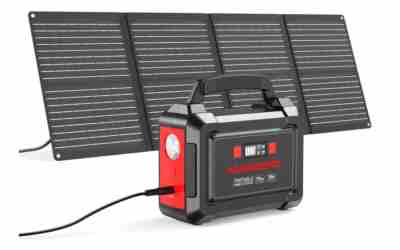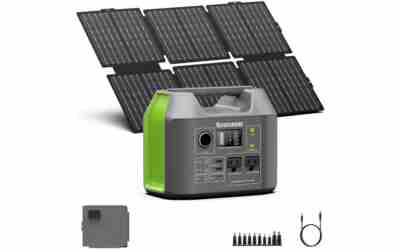

Our editorial team weighed Home's published specifications and how it stacks up against similar products in the generators category. What stands out: Lightweight at 4 lbs, Long Lighting Runtime, and Versatile Outputs. Where it falls short: Drains Quickly With Phones and Slow Solar Recharge in Cold/Cloud. That puts it at 7.8/10 on our WG Score – a solid, dependable choice.
 Reviewed byDaniel
When searching for the most powerful solar generators, one specification stands out as paramount: the continuous AC output wattage combined with battery capacity (Wh). This combination determines not only what appliances your solar generator can power but also for how long. While brand reputation and price are factors, failing to match the generator’s output and capacity to your power needs can render even the most advanced unit ineffective. Understanding these core metrics is crucial for ensuring your investment truly meets your demands, whether for emergency home backup or off-grid adventures. For more insights into selecting the right power solution, consider exploring our guide on the best solar power generators kit.
Continuous AC Output and Battery Capacity Explained
Continuous AC output wattage refers to the maximum power a solar generator can supply consistently to connected devices. This is distinct from surge wattage, which is a higher output available for a very short duration, typically to start motors in appliances like refrigerators. Battery capacity, measured in Watt-hours (Wh), indicates how much energy the battery can store. A higher Wh rating means the generator can run devices for longer periods.
In practical terms, if you have an appliance that draws 1000W and a solar generator with a 1024Wh battery, it could theoretically power that appliance for just over one hour (1024 Wh / 1000 W = 1.024 hours), assuming 100% efficiency. However, real-world efficiency losses mean the actual runtime will be slightly less. This metric is vital because it directly translates into how many essential devices you can operate simultaneously and for how long during an outage or when off-grid. For example, the OUPES Mega 1 2000W Portable Power Station, with its 1024Wh LiFePO4 battery and 2000W continuous output, can handle a wide range of demanding electronics. Its capacity means it can run a typical 60W portable refrigerator for approximately 17 hours (1024 Wh / 60 W = 17.06 hours), making it suitable for extended camping trips or significant home backup needs.

Pros
- Ultra-fast charging and accurate real-time display for easy monitoring
- Versatile outputs power everything from tools to fridges without issues
- Durable build handles professional and outdoor demands reliably
- Quiet operation compared to gas generators, safe for indoor use
- Expandable design future-proofs for larger needs
Cons
- Weighs 27.8 pounds, requiring some effort to transport
- Fans get loud during fast charging sessions
- Input port door can be stiff to open
The OUPES Mega 1 is a versatile portable power station designed for home backup, camping, road trips, and professional applications like events or mobile work setups. With a 1024Wh LiFePO4 battery, 2000W continuous output, and 4500W surge capacity, it powers demanding appliances, tools, and electronics reliably off-grid or during outages.
Standout features include revolutionary 36-minute charging to 80% via AC, expandable capacity up to 5kWh, and professional <20ms UPS for seamless failover. Users praise its real-world performance: running DJ setups for hours, keeping fridges and lights going through blackouts, and supporting solar recharging for extended adventures. The informative display and app control provide precise power tracking, while multiple ports (AC, USB-C PD 100W, USB-A, DC) ensure broad compatibility.
Build quality feels premium and durable, with a compact 15.1 x 9.1 x 11.6-inch footprint and sturdy handles for portability despite the weight. The LiFePO4 cells offer superior safety, longevity, and thermal stability over standard lithium batteries.
Drawbacks include the 27.8-pound heft, which may challenge lighter users, and louder fans on fast charge. A few note the port door's stiffness.
Overall, the Mega 1 delivers exceptional value for reliable, high-power portable energy. Ideal for anyone needing fast, expandable backup without gas hassles; pair with solar for ultimate off-grid freedom.
Capacity: 1024Wh LiFePO4 battery, expandable to 5kWh
Output: 2000W continuous (4500W surge), 120V AC pure sine wave
Charging: 0-80% in 36 mins AC, supports 800W solar, app control
Ports: 4 AC, 2 USB-C PD 100W, 4 USB-A QC3.0, 12V DC, car port
Dimensions: 15.1"L x 9.1"W x 11.6"H, 27.8 lbs
Warranty: 5 years
Users rave about its power for DJ gear, fridges, and tools during camping and outages, with one noting over 5 hours on full setups. Fast charging and accurate displays stand out, as does silent operation indoors.
Professionals love the surge handling for lights, cameras, and laptops on shoots. Expandability excites many for future upgrades.
Minor notes: Great for truck camping but heavy for frequent carries; fans audible on turbo charge.

Pros
- Exceptionally quiet at 23dB, ideal for sleeping near the unit during camping
- Fast recharging and high output handle multiple devices like fridges and projectors reliably
- Durable LiFePO4 battery offers long lifespan and safer operation than standard lithium-ion
- Intuitive display and multiple ports including solar input for flexible power sources
- Solid build quality from DJI, competing favorably with EcoFlow and Jackery
Cons
- Weighs 28.6 pounds, making it less ideal for backpacking hikes
- Solar panel sold separately, requiring additional purchase for full off-grid capability
- Runtime varies by load, around 1 hour for high-watt appliances like kettles
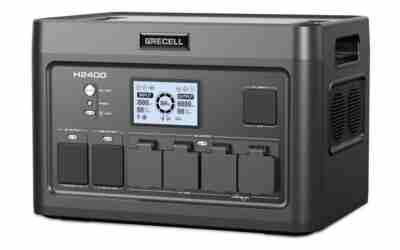
The DJI Power 1000 is a premium portable power station designed for campers, RV enthusiasts, home backup users, and drone operators needing reliable off-grid energy. With a 1024Wh LiFePO4 battery, it powers high-demand appliances up to 2200W continuous (2600W peak), from mini-fridges to power tools, making it versatile for outdoor adventures or emergency home use.
Standout features include ultra-fast 70-minute full recharge via AC, dual 140W USB-C outputs for laptops and cameras, and solar compatibility up to 800W. Real-world performance shines in reviews: users power RVs overnight, run projectors for movie nights, and use it as a silent UPS with 20ms switchover, outperforming noisier competitors like EcoFlow Delta 2. The 23dB operation is whisper-quiet, perfect for serene camping.
Build quality reflects DJI's precision engineering, with a sleek grey design, intuitive display, and robust ports. The LiFePO4 battery ensures 4000 cycles for decade-long reliability and enhanced safety over standard lithium-ion packs. At 28.6 pounds, it's portable for car trips but hefty for long hikes.
Minor drawbacks include the weight and optional solar panel, but these don't detract from its core strengths. Overall, the DJI Power 1000 earns high marks for power, silence, and durability, making it a top pick for demanding portable energy needs.
Capacity: 1024Wh LiFePO4 battery (4000 cycles)
Output: 2200W continuous / 2600W peak, 110V, 8 AC outlets + USB-C (140W x2)
Recharge: 70 mins AC full charge, 800W max solar input
Noise: 23dB ultra-silent
Dimensions: 19.2 x 8.85 x 9.05 inches, 28.6 lbs
Warranty: Up to 5 years
Choose DJI Power 1000 if you need silent, high-output power for camping, RVing, or home UPS. Pair with solar for off-grid; upgrade to Power 2000 for larger capacity. Ideal for DJI drone users extending flight times.
Avoid if ultralight portability is key; consider lighter models for backpacking.
Pros
- Extremely lightweight and easy to transport for off-grid trips
- Supports fast charging via Qualcomm QuickCharge 3.0 technology
- Silent operation makes it perfect for use inside tents or near CPAP machines
- Includes car charging and solar connector cables in the package
Cons
- Limited to appliances under 100W for continuous AC usage
- Solar panel is sold separately and not included in the base kit
- Slower AC recharge time compared to high-end fast-charging units
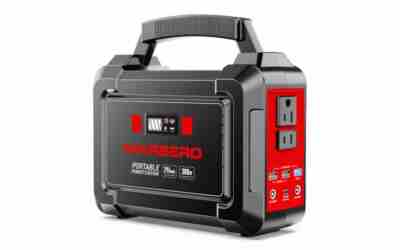
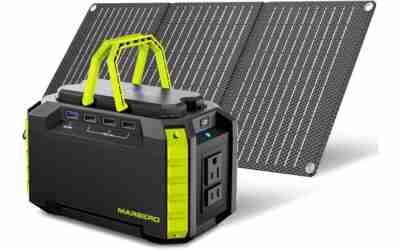
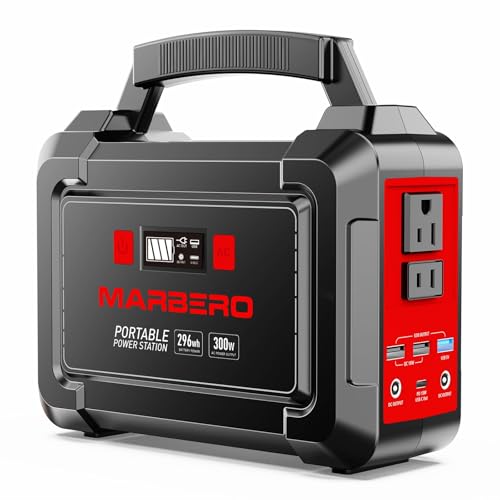
The MARBERO 350W Portable Power Station is a compact energy hub designed for users who need reliable power without the bulk. With a 296Wh (80,000mAh) capacity, it strikes a balance between portability and utility, making it a strong contender for weekend campers, outdoor photographers, and those preparing for hurricane-related power outages. Weighing only 5.7 lbs, it is one of the more portable units in the 300W peak class.
What sets this unit apart is its diverse output array. It features eight different ports, including a dedicated USB-C port and a QC3.0 port for fast-charging smartphones and tablets. For those with medical needs, it can run a CPAP machine for approximately 9 hours, providing peace of mind during overnight blackouts. The inclusion of a built-in LED flashlight with an SOS mode further emphasizes its role as a safety tool.
The build quality is centered around safety and longevity. The integrated Battery Management System (BMS) monitors voltage and temperature to prevent common battery failures. MARBERO utilizes high-quality Li-ion cells that are rated to retain 90 percent of their original capacity after 1000 cycles, offering better long-term value than generic battery banks.
However, users should note the wattage limitations. While it can peak at 350W, it is intended for devices under 100W for steady use. This means it is perfect for laptops, fans, and small TVs, but will not support high-draw appliances like coffee makers or heaters. Additionally, while it is solar-ready, you will need to purchase a compatible panel separately to utilize the off-grid charging feature.
Overall, the MARBERO 350W is an excellent entry-level power station for those who prioritize weight and multi-device charging. It delivers quiet, clean power in a user-friendly package that is easy enough for anyone to carry and operate during an emergency.

Pros
- Highly portable and lightweight at 4 pounds with carry handle
- Long lighting runtime ideal for extended blackouts or night fishing
- Versatile outputs power lights, radio, and small devices effectively
- Easy solar or wall recharging works well in various conditions
- Includes all essentials like extension cables for hassle-free use
Cons
- Limited capacity drains quickly when charging phones alongside lights
- Solar panel recharges slowly in cloudy or cold weather
- Build quality feels cheap with occasional light or radio glitches
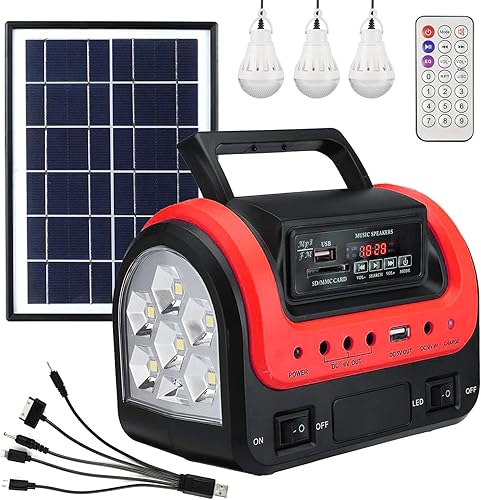
This portable solar generator from Upusa is a compact emergency power solution designed for home backups, camping, hunting, and outdoor activities. Measuring just 6.9 x 6.5 x 3 inches and weighing 4 pounds, it includes a power station with built-in flashlight and MP3/FM radio, a 10W solar panel, three detachable LED bulbs with 10ft extension cables, and USB ports for charging small devices like phones or e-readers. It's ideal for users needing lightweight, multi-function power without bulky equipment.
Standout features shine in real-world use: one bulb lasts up to 30 hours, two for 14 hours, and three for 8 hours, making it reliable for lighting tents or rooms during outages. Reviewers praise its phone-charging capability during camping trips and power cuts, with the radio adding entertainment value. Dual recharging via solar or AC works well in sunny conditions or indoors, and the individual bulb switches allow customized power management.
The green ABS plastic build is durable for portability, with overload protection and a handle for easy transport. However, some users note the battery depletes fast when powering devices beyond lights, solar charging lags in poor weather, and minor issues like flickering lights or weak radio reception occur occasionally.
Overall, this generator excels as an affordable entry-level kit for short-term emergencies and light outdoor use. It's a solid pick for dorms, RVs, or basic camping if you manage expectations on capacity, earning its place as a handy backup tool.
Brand: Upusa
Model: SDM-0603
Color: Green
Dimensions: 6.9 x 6.5 x 3 inches
Weight: 4 pounds
Power Source: Battery Powered (Solar/AC)
Wattage: 5W output, 10W solar panel
Voltage: 3.7V DC
Special Features: Overload protection, MP3/FM radio, flashlight, 3 LED bulbs
Outputs: DC/USB, 1 total outlet
Pros
- Lightweight and truly handheld size
- Comes complete with solar panel and lights
- Quiet gas-free operation
- Multiple recharge methods
Cons
- Only 4Wh capacity limits runtime for high-draw devices
- Low 5W solar input requires long recharge times
- No AC outlets for standard household appliances
The Upusa SDM-0603 is a small solar generator built around a 12500mAh battery and paired 10W panel. It targets campers and homeowners needing basic off-grid lighting and device charging.
Standout elements include the three included LED bulbs with individual switches and long extension cords plus built-in radio. The unit weighs under two pounds and fits easily in a backpack.
Recharge occurs via the solar panel in 8-15 hours, wall adapter in 6-8 hours, or USB. Safety features cover overcharge and short circuits while promising over 3000 cycles.
Drawbacks center on the tiny 4Wh capacity and 5W solar input, which restrict use to low-power items only. No AC outlets are present.
Overall verdict: a niche ultra-portable kit for minimal emergency lighting and phone top-ups rather than full power station duties.
Most Powerful Solar Generators: Our Picks Against the Numbers
Powerhouse Performer: OUPES Mega 1 2000W Portable Power Station: 1024Wh LiFePO4 Solar Generator, Expandable to 5kWh, UPS for Camping & Home Backup
Boasting a substantial 2000W continuous AC output and a 1024Wh LiFePO4 battery (expandable to 5120Wh), the OUPES Mega 1 is designed for heavy-duty applications. Its high wattage allows it to power sensitive electronics with pure sine wave technology, while the expandable capacity ensures extended runtimes for critical home appliances or lengthy outdoor use.
Skip this if: You only need to power very light loads or prioritize extreme portability over maximum power and capacity. Its robust capabilities come with a larger footprint and weight compared to smaller units.
View on Amazon.comBalanced Backup: DJI Power 1000: 1024Wh LiFePO4 Portable Power Station, 2200W Output, 23dB Silent, Solar Generator for Camping & Home Backup
The DJI Power 1000 offers an impressive 2200W continuous output and a 1024Wh LiFePO4 battery, capable of powering 99% of household appliances. Its 23 dB ultra-silent operation sets it apart, making it an excellent choice for environments where noise is a concern, such as quiet campgrounds or indoor use during power outages.
Skip this if: Your primary need is for a highly compact and lightweight unit for minimal power requirements. While powerful, its capacity is not expandable like some larger systems.
View on Amazon.comCompact Convenience: MARBERO 350W Portable Power Station, 296Wh Solar Generator with AC Outlet, QC3.0 USB-C, and LED Flashlight for Camping and Emergencies
With a 350W peak output and a 296Wh capacity, the MARBERO Portable Power Station is designed for smaller power needs. It’s ideal for charging laptops, phones, and running small appliances, making it a budget-friendly and highly portable option for camping, emergencies, or as a personal power bank. Its multi-output options, including QC3.0 USB and USB-C, provide versatile connectivity.
Skip this if: You require significant power for high-wattage appliances or extended home backup. While capable for its size, its capacity and output are not in the same league as the larger, more powerful units in this roundup, meaning it won’t run larger appliances for long, if at all.
View on Amazon.comOther Things That Matter for Most Powerful Solar Generators
Battery Chemistry and Lifespan
The type of battery used significantly impacts a solar generator’s performance and longevity. LiFePO4 (Lithium Iron Phosphate) batteries, found in models like the OUPES Mega 1 and DJI Power 1000, offer superior cycle life (3500+ cycles) and enhanced safety compared to traditional lithium-ion batteries. This means a LiFePO4 generator can be recharged and discharged many more times before its capacity significantly degrades, providing a longer-lasting investment. For those interested in building their own systems, understanding battery types is key, as highlighted in our review of the best battery for DIY solar generators.
Portability and Design
While the keyword emphasizes “powerful,” portability remains a crucial consideration for solar generators. A powerful unit that is too heavy or bulky to transport defeats the purpose for many users. Look for ergonomic handles, compact designs, and robust construction that can withstand outdoor conditions. Smaller units like the MARBERO are designed for maximum portability, often weighing under 10 lbs, making them easy to carry for camping or emergency kits.
Recharge Speed and Methods
How quickly and flexibly a solar generator recharges can be a deal-breaker. Advanced models feature revolutionary fast-charging technology, allowing them to reach significant charge levels in under an hour via AC or combined AC/solar input. Multiple recharging options, including solar panel input, AC wall outlets, and car chargers, provide versatility, ensuring you can replenish power no matter your location. Efficient MPPT (Maximum Power Point Tracking) charge controllers are also vital for maximizing solar harvesting efficiency.
Why Trust Our Reviews
At WikiGenerators.com, our mission is to provide clear, actionable insights into the world of power generation. We understand that choosing the right solar generator is a significant decision, and our recommendations are built on a foundation of thorough research and analysis of product specifications and user feedback. We delve into the technical details that matter most, comparing features like continuous output, battery capacity, and charging efficiency to help you make an informed choice.
We are committed to delivering unbiased information, focusing on what makes a product genuinely effective and reliable for its intended use. Our editorial independence ensures that our content remains focused on your needs, guiding you through the complexities of solar generators with clarity and confidence.
Frequently Asked Questions
What’s the difference between continuous output and peak output?
Continuous output refers to the power a solar generator can supply steadily over time, while peak (or surge) output is a higher power level it can provide for a very brief moment, typically to start appliances with high initial power demands like refrigerators or power tools. Always match your appliances’ running wattage to the generator’s continuous output for reliable operation.
Can these solar generators power an entire house?
While some of the more powerful solar generators, especially those with expandable capacity like the OUPES Mega 1 (expandable to 5kWh), can provide substantial backup power for essential appliances, they are generally not designed to power an entire house indefinitely. For whole-home backup, larger, dedicated standby generators or more extensive solar panel systems with battery banks are typically required. However, they can keep critical devices running during shorter outages.
Are solar generators truly silent?
Solar generators are significantly quieter than traditional gas-powered generators, as they operate without combustion engines. Many, like the DJI Power 1000, are designed to be ultra-silent (23 dB), making them ideal for indoor use or quiet environments. While not completely silent, their operational noise is often barely noticeable, comparable to a whisper or a quiet refrigerator.
How long do LiFePO4 batteries last in solar generators?
LiFePO4 batteries are known for their exceptional longevity. Many models, such as those found in the OUPES and DJI generators, offer a lifespan of 3500+ charge cycles. This means they can be fully discharged and recharged thousands of times before their capacity significantly diminishes, often translating to a decade or more of reliable use depending on frequency of use.
Quick Comparison: Side by Side
- – Ultra-Fast Charging, Real-Time Display.
- – Versatile Outputs.
- – Durable for Pro/Outdoor Use.
- – Exceptionally Quiet at 23dB.
- – Fast Recharging, High Output.
- – Durable, Safer LiFePO4 Battery.
- – Extremely lightweight and easy to transport for off-grid trips.
- – Supports fast charging via Qualcomm QuickCharge 3.0 technology.
- – Silent operation makes it perfect for use inside tents or near CPAP machines.
- – Lightweight at 4 lbs.
- – Long Lighting Runtime.
- – Versatile Outputs.
- – Truly Handheld Size.
- – Includes Solar Panel & Lights.
- – Quiet, Gas-Free Operation.
- – Heavy at 27.8 lbs.
- – Loud Fans During Fast Charging.
- – Stiff Input Port Door.
- – Heavy at 28.6 lbs.
- – Solar Panel Sold Separately.
- – ~1h Runtime on High-Watt Appliances.
- – Limited to appliances under 100W for continuous AC usage.
- – Solar panel is sold separately and not included in the base kit.
- – Slower AC recharge time compared to high-end fast-charging units.
- – Drains Quickly With Phones.
- – Slow Solar Recharge in Cold/Cloud.
- – Occasional Light/Radio Glitches.
- – Tiny 4Wh Capacity.
- – Slow 5W Solar Input.
- – No AC Outlets.