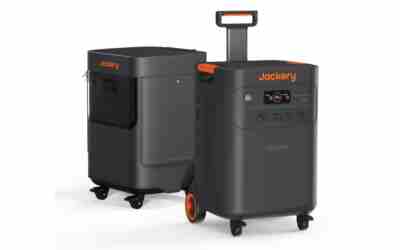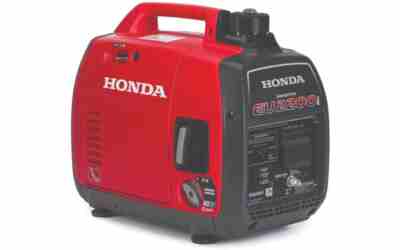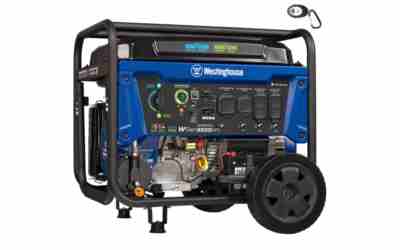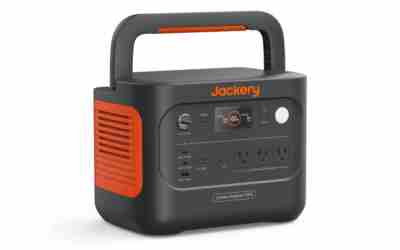

Whether a portable generator needs an additional grounding rod depends on how it’s being used, not a blanket rule. Most modern portable generators are designed with the frame internally bonded to the neutral, and when used standalone — powering cord-and-plug-connected equipment directly, not wired into a building’s electrical system — typically don’t require a separate grounding electrode, per the manufacturer’s own instructions. If the generator is instead connected to your home’s wiring through a transfer switch or interlock kit, it’s generally treated as a separately derived electrical system and grounding requirements change — that setup should always be handled by a licensed electrician, not decided by a general guide like this one.
Check Your Owner’s Manual First — This Isn’t a One-Size-Fits-All Answer
Whether your specific generator’s neutral is bonded to its frame (and therefore doesn’t need an additional ground rod for standalone use) or left “floating” (which may require one) depends on that model’s internal design. Manufacturers state this explicitly in the owner’s manual’s electrical/grounding section — always check it for your exact model rather than assuming based on a similar-looking unit.
Standalone Use (Cords Directly to Equipment)
Most portable generators used this way — running extension cords straight to tools, appliances, or a job site, not connected to any building wiring — are designed by the manufacturer to be safe without a separate grounding rod, because the frame-to-neutral bond already provides the necessary fault-current path. This is the most common use case for camping, RV, jobsite, and casual backup use, and is why many owner’s manuals explicitly state a ground rod is not required “when used as a portable generator, as originally manufactured.”
Connected to Your Home’s Wiring: A Different Question Entirely
Once a generator is connected to your home’s panel through a transfer switch or interlock kit, the grounding and neutral-bonding relationship between the generator and your home’s existing electrical system becomes an electrician’s job, not a DIY decision — incorrect handling here can create a genuinely dangerous double-bonded neutral condition. If you’re setting up whole-home backup, have your electrician confirm the correct grounding configuration as part of the same installation that handles your transfer switch or interlock.
Never Skip This Because “It’s Probably Fine”
Improper grounding is one of the less visible generator safety risks — unlike an obvious carbon monoxide or fire hazard, a grounding problem often shows no symptoms until an actual fault occurs, at which point the consequence can be a serious shock hazard. When in doubt for any home-wiring-connected setup, the cost of a licensed electrician’s time is small compared to the risk of guessing wrong.
Choosing Generators for Standalone vs. Home-Wired Use
If you’re planning standalone use only, our best portable generators for home roundup covers models well-suited to cord-and-plug use. If home-wiring integration is the plan from the start, factor the transfer switch/interlock and electrician consultation into your budget alongside the generator itself — see our how to size a generator for your home guide for the wattage side of that planning.
Frequently Asked Questions About Grounding a Portable Generator
Do all portable generators need a grounding rod?
No — it depends on the specific model’s internal design and how it’s used. Many modern generators with a frame-bonded neutral don’t require one for standalone cord-and-plug use, per the manufacturer’s own manual.
How do I know if my generator’s neutral is bonded to the frame?
Check the owner’s manual’s electrical or grounding section — manufacturers state this explicitly for their specific model rather than leaving it to guesswork.
Does connecting a generator to my house change the grounding requirements?
Often yes — a generator connected through a transfer switch or interlock is generally treated as a separately derived system, and the grounding/bonding relationship with your home’s existing system should be confirmed by a licensed electrician.
What happens if a generator is grounded incorrectly?
Improper grounding can create a dangerous shock hazard that often isn’t obvious until an actual electrical fault occurs, which is why this shouldn’t be guessed at, especially for a home-wiring-connected setup.
Is grounding a generator different from bonding it?
Yes, they’re related but distinct concepts — bonding connects the neutral and frame together internally, while grounding connects that system to the earth via a grounding electrode. Whether you need the latter depends on your generator’s bonding design and how it’s being used.