
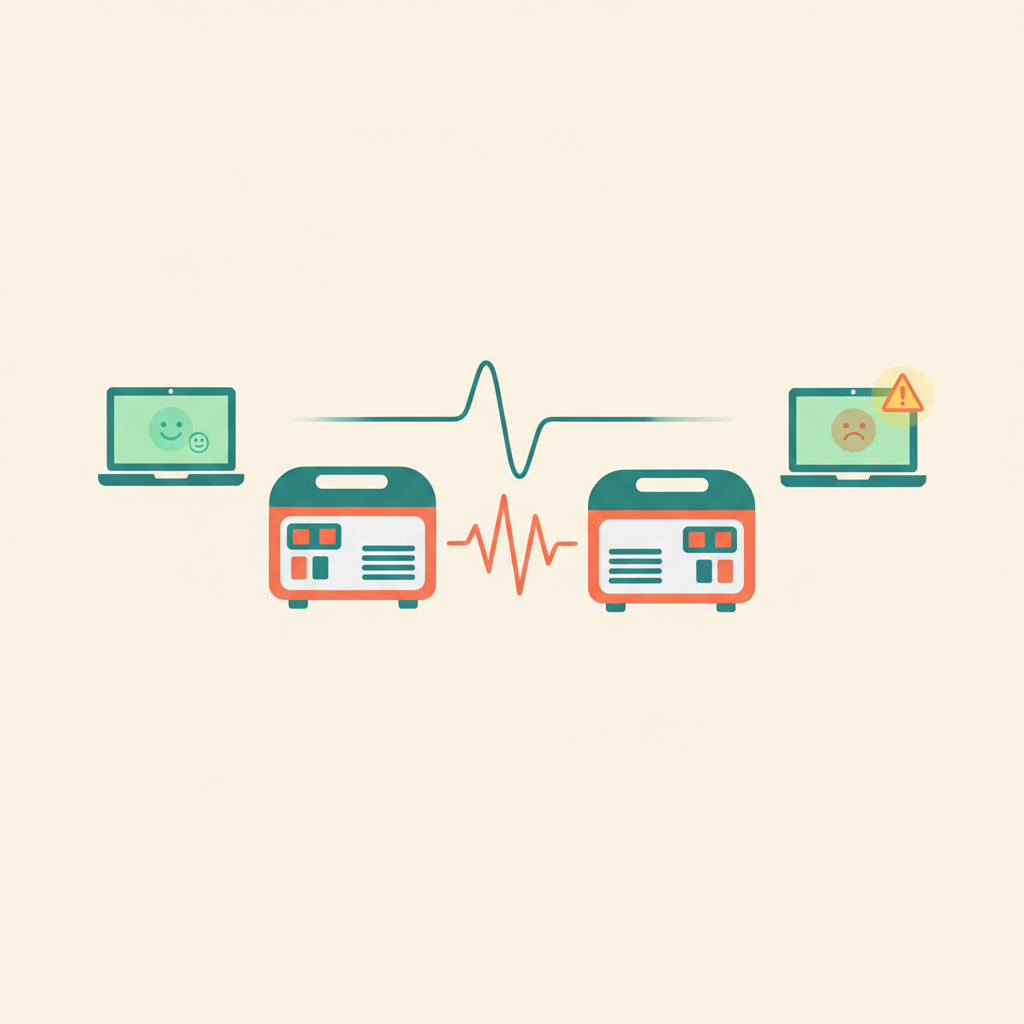
THD (Total Harmonic Distortion) measures how close a generator’s electrical output is to a perfect, smooth sine wave — the same clean waveform your home’s utility power delivers. A lower THD percentage means cleaner power; a higher percentage means more electrical “noise” riding on top of the signal. For most tools and appliances this doesn’t matter at all, but for laptops, phones, TVs, and medical equipment, a generator with high THD can cause glitches, overheating, or in rare cases, damage.
What THD Actually Means in Practice
Utility grid power is a near-perfect sine wave, typically well under 3% THD. A generator’s engine and alternator don’t naturally produce that same smooth waveform — how close it gets depends entirely on the generator’s design:
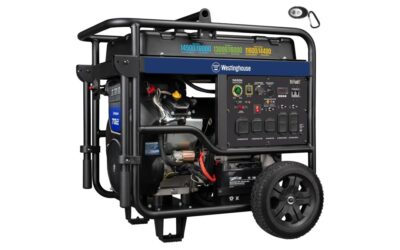
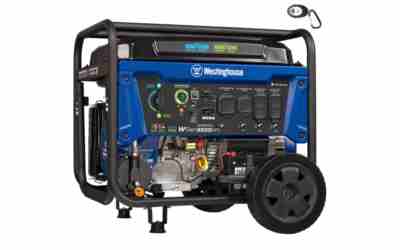
- Conventional (open-frame) generators: the alternator spins at a fixed speed and produces AC power directly, with no electronic cleanup. THD typically runs 15–25%, sometimes higher under partial load. That’s a genuinely distorted waveform.
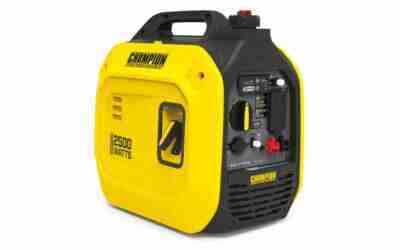
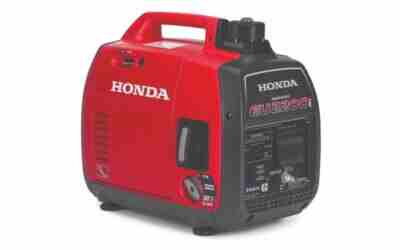
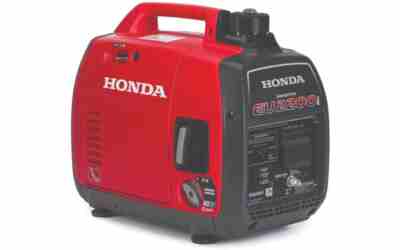
- Inverter generators: the engine’s raw AC output is first converted to DC, then re-synthesized electronically into a clean AC sine wave via a microprocessor-controlled inverter circuit. This lets inverter models advertise THD under 3% — on par with grid power.
Why It Matters for Some Devices and Not Others
Purely resistive or simple-motor loads — incandescent bulbs, basic power tools, space heaters, standard box fans — genuinely don’t care about waveform quality. They’ll run fine on high-THD power all day.
Devices with switching power supplies or sensitive control boards are a different story: laptops, phones and their chargers, LED/LCD TVs, CPAP machines, drone and camera battery chargers, and modern appliances with digital displays or variable-speed motors. On distorted power, these can run hotter than normal, throw errors, reboot unexpectedly, or in a worst case suffer accelerated wear on their internal power-supply components. This is the main reason inverter generators are recommended by default for anything with a screen, a battery charger, or a microprocessor inside — see our picks for the best portable generators for sensitive electronics, all inverter models specifically vetted for this.
How to Find a Generator’s THD Spec
Look for “THD < 3%” explicitly in the spec sheet — reputable inverter generator manufacturers publish this number because it’s their key selling point over conventional units. The marketing term “Pure Sine Wave” generally implies low THD, but isn’t a strictly regulated or standardized label the way a published THD percentage is, so a numeric spec is always more trustworthy than the phrase alone. If no THD figure is published at all, treat the unit as a conventional-grade generator for planning purposes rather than assuming it’s clean.
THD vs. Starting Watts: Two Different Concerns
It’s easy to conflate these, but they answer different questions. THD is about waveform cleanliness during normal, steady-state running — it matters regardless of how much power you’re drawing. Running watts vs. starting watts is about capacity — whether the generator can supply enough power, including the momentary surge motors need to start. A generator can have excellent THD and still be badly undersized for your appliances, or be plenty powerful with unacceptably dirty power for a laptop. Check both specs independently.
Which Generators to Look At
If clean power for electronics is your priority, inverter models are the right starting point — see our full roundup of the best inverter generators. For quieter running alongside low THD (the two often go together, since inverter engines can throttle down at low load instead of running at a fixed RPM), our best quiet generators guide overlaps heavily with the low-THD category. If you specifically need backup power at home that also has to safely run electronics, the best inverter generators for home backup picks are built around exactly that combination.
Frequently Asked Questions About THD (Total Harmonic Distortion)
What THD percentage is considered “safe” for electronics?
Under 3% is the generally accepted threshold for safely running laptops, phones, and other sensitive electronics — this is the figure most quality inverter generators are designed and advertised to meet.
Will high-THD power immediately break my electronics?
Not usually immediately — most modern electronics have some tolerance for imperfect power. The real risks are increased heat, occasional glitches/reboots, and accelerated long-term wear on the device’s power supply, rather than instant failure.
Do all inverter generators have low THD?
Reputable ones do, typically under 3%, but always check the actual published spec rather than assuming “inverter” alone guarantees a specific number — manufacturers vary in how transparently they publish this figure.
Does THD affect how much I can power, like running/starting watts do?
No. THD is entirely about waveform quality, not capacity. A low-THD generator with a small wattage rating can still be undersized for your appliances — you need to check both specs separately.
Can I use a conventional (non-inverter) generator for a laptop occasionally?
Generally yes for occasional, short-term use without major issue, but it’s not recommended as a regular practice, especially for anything with an expensive or safety-critical power supply (medical equipment in particular) — an inverter generator is the safer default whenever electronics are a regular part of the load.