
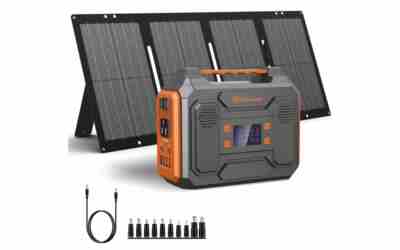
Portable Power Station vs Solar Generator: Which to Buy
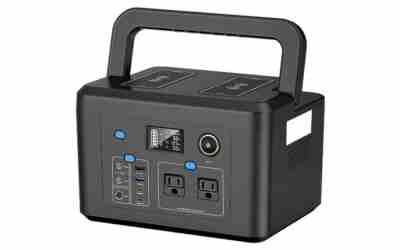
Portable power station vs solar generator: the only difference is bundled panels. See recharge math, panel matching and a buy checklist.
We independently review everything we recommend. When you buy through our links, we may earn a commission. As an Amazon Associate we earn from qualifying purchases. Learn more ›
In-depth educational guides on generator and power station concepts, safety, and buying decisions.
Portable power station vs solar generator: the only difference is bundled panels. See recharge math, panel matching and a buy checklist.
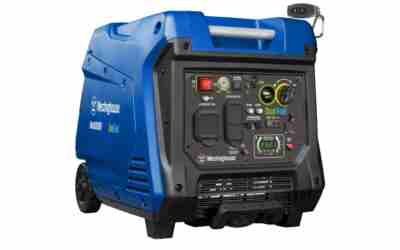
How to buy a portable generator: total running watts, add the biggest starting surge, then choose type, fuel and a safe hookup before you shop.
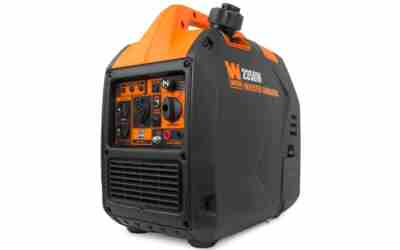
Where to place a generator outside: at least 20 feet from the house per CPSC advice, exhaust facing away from openings, on level dry ground.
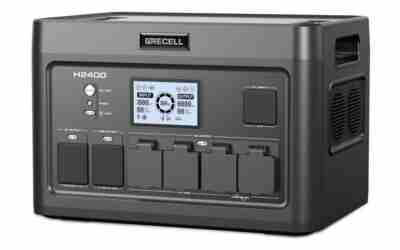
How safe are solar batteries? Safe when listed and installed to code; fire risk is low but real, and LiFePO4 is the most stable chemistry.
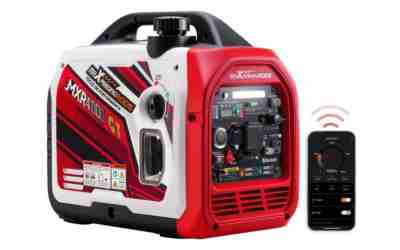
A good portable generator has enough running watts for your loads, CO shutdown, 10 hours of runtime at half load and a clear warranty.
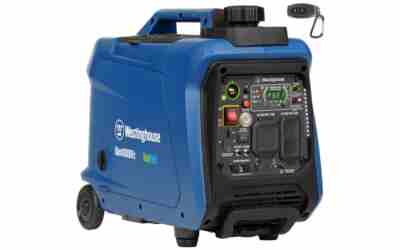
Portable generator enclosure ventilation can't make a closed box safe: use an open-sided canopy and follow your manual's clearances for CO.
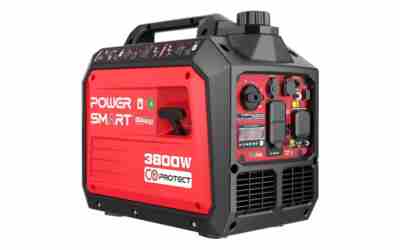
Can a generator sit out in the rain? Not uncovered. Use an open canopy on dry ground, 20 feet from the house, and dry it fully before restarting.
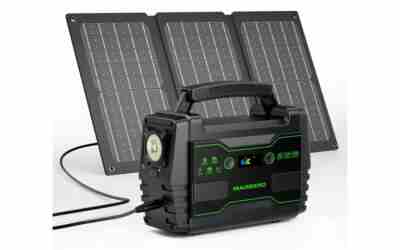
A portable power station lasts about 8.5 hours per charge when a 1,000Wh unit runs a 100W load, and LiFePO4 batteries are rated for 3,000+ cycles.
Portable generator vs standby generator: pick portable for occasional outages, standby for frequent or long ones and automatic whole-house power.
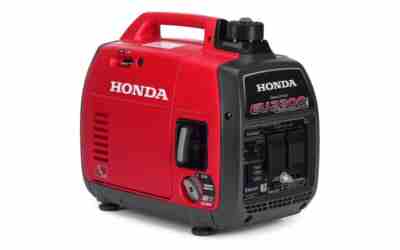
Gas furnace generator size: 2,000 to 3,500 watts covers most blowers. Read your nameplate amps, add the startup surge, then add other loads.